Support natural body detoxification through clean eating, hydration benefits, and liver support. Learn simple ways to enhance toxin elimination and promote lasting everyday wellness.
Boost immune vitality year-round through balanced nutrition, vitamin boosts, gut health link awareness, stress management, and lifestyle habits that promote lasting wellness and disease prevention.
Boost healthy aging through yoga benefits that improve flexibility, balance, and stress relief. Learn beginner poses anyone can master for long-term vitality and wellness.
Learn science-backed breathing exercises that ease anxiety disorders, promote mindfulness, and support stress reduction with simple, effective mental health tools for everyday calm and balance.
Discover how social media effects contribute to rising teen anxiety, supported by mental health studies, coping strategies, and parental tips for protecting adolescent well-being online.
Explore how wearable health technology in smartwatches tracks vital signs, spots early warning patterns, and supports smarter, more proactive health decisions in everyday life.
Explore how CRISPR gene editing is transforming genetic disease treatment, uncovering breakthroughs, safety advances, and the future possibilities of curing inherited disorders through DNA repair.
Artificial skin technology and electronic skin research enable prosthetics, robotics, and burn grafts to sense touch, temperature, and textures like real skin.
Discover how smart thermostats and health are connected by optimizing bedroom temperature to improve sleep quality, support easier breathing, and create a more comfortable, restorative sleep environment.
Explore amazing body facts and discover how the heart, blood, and lungs work together every day to sustain life through blood circulation and lung function.
Discover how genetics, heredity, and family history influence health risks and inherited conditions, helping doctors predict, prevent, and personalize medical care for better well-being.
Learn the most common reasons to see a doctor, from cough and back pain to hypertension and anxiety, and understand when medical attention is necessary.
It’s reported that up to 70% of the population have sensitive skin. More alarming, allergies and skin sensitivities are known to affect millions of patients taking prescriptions every year.
It is commonly believed that after an intense workout an individual should opt for an energy drink, a bottle of water or even coconut water. However, new research suggests consuming natural beverages such as fruit juice, milk or even beer after a good work may be more effective in hydrating your body.
According to Brian Parr, associate professor of exercise and sports science at the University of South Carolina, Aiken, the particular beverage an individual chooses post-workout should match their routine. Keep in mind each beverage contains calories that can compete with your weight loss goals.
Type of Workout: Bikram Yoga or a Hot Run, Bicycle Ride
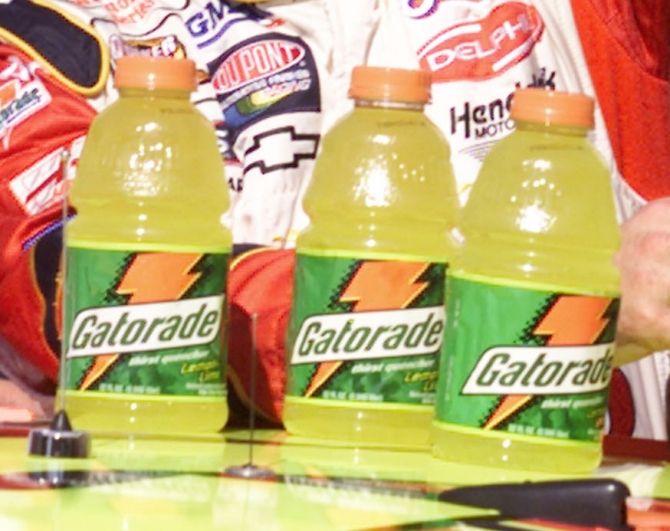
The Way it Works: Sodium is critical for the functioning of muscles and nerves. Drinks such as Gatorade and Powerade are made from a combination of fluids, salt, and sugar that will help prevent dehydration, restore electrolytes and deliver carbs in order to replenish one's body. Joe Skipper/ReutersHere are the Top 7 Ready-To-Drink Coconut Water On Amazon.Flickr/ Phú Thịnh CoImageFlickr/ _urbanizrType of Workout: Strengthening/Weight Training
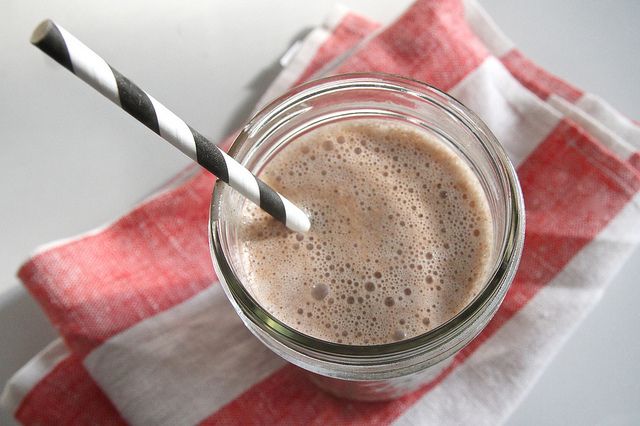
The Way it Works: Milk provides your muscles with the proper fuel to recover and grow. Sugar (chocolate) and protein allows your muscles to recuperate quickly.
You should consume this beverage directly after your workout.Flickr/ shutterbeanType of Workout: Ultra-endurance Events
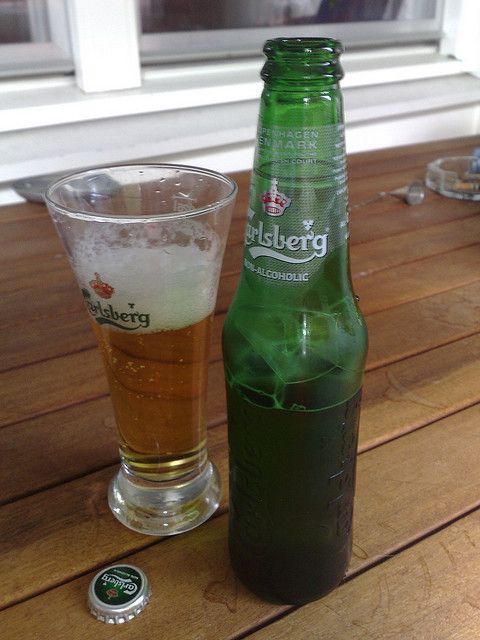
The Way it Works: According to German researchers, consuming Non-Alcoholic beer can reduce the body's risk of gaining post-exercise illnesses, such as respiratory infections after a big race. The essential polyphenolic compounds, which are antioxidant, antipathogenic, and anti-inflammatory assist to combat these illnesses.
You can consume one liter a day prior to the event and two weeks following the event.Flickr/skrivanet