Improve sleep with evidence based tips for insomnia, circadian rhythm alignment, sleep hygiene, and better sleep habits to fall asleep faster and stay asleep longer.
Track nicotine withdrawal, lung healing, and circulation improvements after smoking cessation. Learn year by year health benefits and how your body recovers after quitting smoking.
Learn why tracking blood pressure, cholesterol, and glucose through preventive screening helps protect cardiovascular health and detect risks early before symptoms develop and worsen over time.
Learn healthy hydration habits that support energy, improve skin health, and protect kidneys with simple daily tips for better hydration and overall wellness long term.
Chicago's South Side trauma center has saved an estimated 79 lives per 2,000 gunshot victims since opening in 2018, but expiring federal funds now threaten violence prevention and trauma care programs.
Discover 10 minute stress relief techniques using breathing mindfulness and relaxation backed by evidence based techniques to reduce anxiety improve mood and restore calm quickly.
Learn how doomscrolling affects your brain through cortisol and rumination, the negative news effects it causes, and practical tips on how to stop doomscrolling.
High functioning anxiety often hides behind perfectionism and masking. Learn key signs, causes, and how hidden distress impacts mental health and daily life.
Philadelphia has built one of the most advanced World Cup disease surveillance systems ever, combining rapid PCR testing, wastewater monitoring, and measles preparedness that experts say could serve as a national public health model.
Learn what to expect with chemo port placement, catheter use, and chemo port aftercare in this clear day‑by‑day guide to make treatment safer and more manageable.
Explore how the placebo effect works through expectation, endorphins, and placebo effect neuroscience, revealing the powerful brain body connection and its impact on health.
AI therapy and AI mental health tools are transforming emotional support, but experts warn the ethics of AI in healthcare must keep pace with innovation, privacy, and patient safety.
CDC expands a Salmonella outbreak linked to moringa supplements, now reaching 119 cases in 36 states. CDC warns of ongoing risk, recalls issued nationwide, and urges consumers to check homes for contaminated products.
CDC issues a dual health alert as Ebola screening expands to Atlanta's Hartsfield-Jackson Airport amid the Bundibugyo outbreak, while a separate advisory warns Los Angeles residents about rising complications linked to medical tourism and overseas cosmetic procedures.
National Cancer Survivors Day 2026 highlights 500,000 NYC survivors and major research breakthroughs, including mRNA cancer vaccines, rising survival rates.
Virginia has recorded a record 77 measles cases in 2026 as Washington Dulles, a major World Cup travel gateway, connects travelers from countries facing active outbreaks, raising public health concerns ahead of the tournament.
It’s reported that up to 70% of the population have sensitive skin. More alarming, allergies and skin sensitivities are known to affect millions of patients taking prescriptions every year.
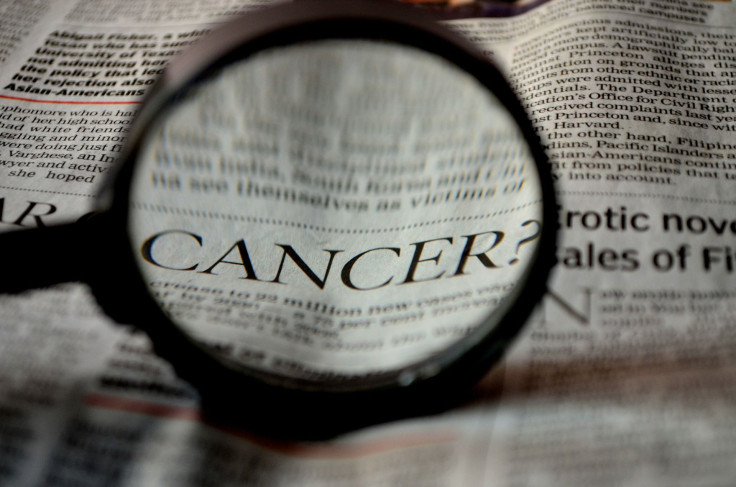
Maybe you’ve heard that drinking too much coffee causes cancer but a daily cup of green tea lowers your risk. Or perhaps you’ve read that surgery can make an early-stage cancer more severe. There’s no shortage of myths, though it is worth noting that each form of cancer has its nuances.
Misinformation runs rampant, and here’s what two experts hear the most often and said should be debunked.
Drinking coffee can protect against chronic inflammation and boost longevity.Photo courtesy of Athena Lam, Public Domain
Caffeine Causes Cancer
Reports that coffee could come with warning labels in California has reignited this rumor. The chemical acrylamide is produced in some foods when heated at very high temperatures. In coffee, this potential carcinogen forms during the roasting process.
Surgeon Dr. Syed Ahmad, who specializes in pancreatic diseases at the University of Cincinnati Cancer Institute, told Newsweek patients are often worried that any caffeinated beverage can cause cancer. But is there any validity to the rumor?
“We don’t think so,” Ahmad said. “There’s been lots of studies that have been done that do not demonstrate a definite link between caffeine and cancer.”
In fact, some studies have shown that caffeine could prevent DNA damage, which would offer protective benefits against the disease. But as with most things, caffeine is best consumed in moderation. Too much caffeine could lead to troubled sleep and heightened osteoporosis risk.
Air Exposure Makes Tumors Spread
Determining whether surgery is the best treatment option is reliant on many factors, including whether the disease has advanced from its initial stage. But some worry that an operation could end their life rather than save it.
“You let air in, and the cancer spreads like wildfire” is one myth Dr. Julian Guitron, thoracic and lung surgeon at the University of Cincinnati, has often heard.
He explained that this thinking stems from a time before CT scans were available to depict clear images of cancerous tumors. Previously, doctors would attempt to remove a mass but discover cancer had already spread throughout the body.
When patients still aren’t convinced with this reasoning, Guitron explains that our bodies need oxygen for survival.
“Your cells are always getting oxygen, or else they wouldn’t live,” he told Newsweek.
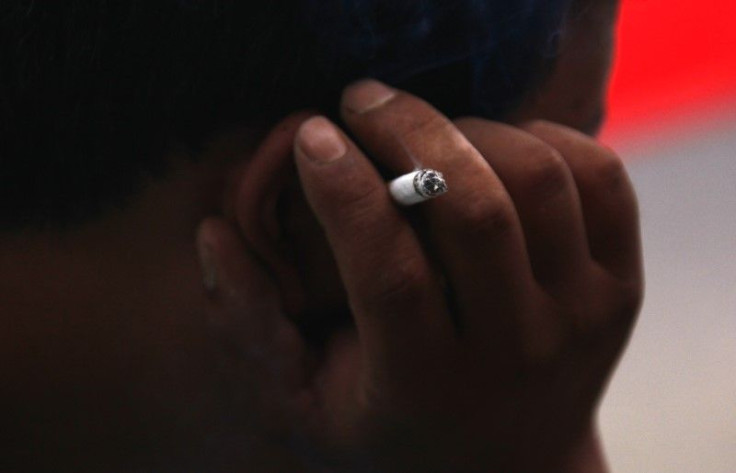
Smoking cigarettes are not the only way that an individual can develop lung cancer. Photo Courtesy of Reuters/David Gray
Lung Cancer Is Always Caused By Smoking
To be clear, smoking is the leading cause of lung cancer. However, Guitron said many think it’s the only way to develop the disease.
Roughly one-fifth of Americans who die from lung cancer have never smoked or used tobacco, but that hasn’t prevented the man-made stigma accompanying a diagnosis. Because of this attitude, Guitron said research and treatment options remain underfunded.
“The myth of 'If I don’t smoke, I won’t get lung cancer' has been very damaging,” Guitron said.
Other risk factors include excessive exposure to asbestos, arsenic, diesel exhaust and radon, a natural gas from rocks and dirt that can get trapped inside buildings.
In a sense, cancer can’t be prevented because aging is a major risk factor. However, studies have shown that eating plenty of fruits and vegetables, limiting alcohol and exercising can lower your chances of developing many types of cancers.