


7 Common Winter Illnesses and How to Fight Them Effectively
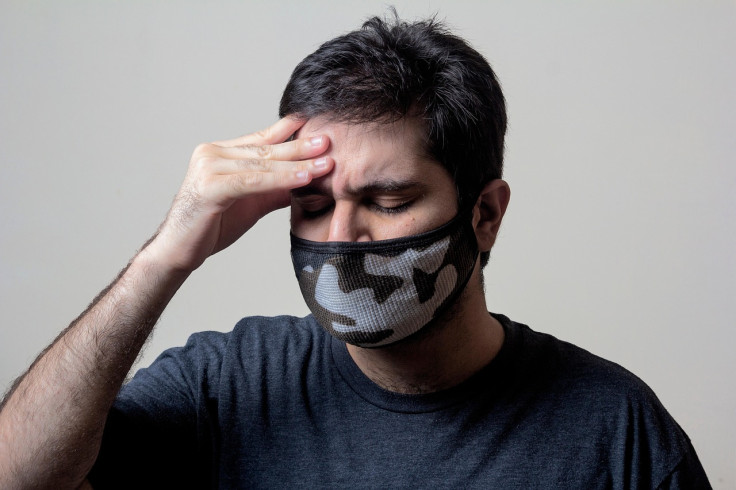
Each year, as temperatures drop and people spend more time indoors, the likelihood of catching seasonal illnesses rises dramatically. Winter illnesses can range from mild colds to serious respiratory infections. Understanding which illnesses are most common and learning how to fight them can help keep families healthy throughout the colder months.
This guide explores the seven most common winter illnesses, their symptoms, prevention measures, and effective ways to manage them.
What Are the Most Common Winter Illnesses?
During winter, cold weather and lower humidity create ideal conditions for the spread of viruses, according to the World Health Organization. People also tend to stay indoors, increasing close contact and the risk of transmission. Among the most common winter illnesses are:
- Common Cold: Caused by dozens of viruses, this is the most frequent illness during winter.
- Influenza (Flu): A contagious respiratory illness that often spreads rapidly between November and March.
- Bronchitis: Inflammation of the bronchial tubes, usually following a cold or another viral infection.
- Pneumonia: A severe infection of the lungs caused by bacteria, viruses, or fungi.
- Strep Throat: A bacterial infection that causes painful inflammation of the throat and tonsils.
- Norovirus (Stomach Flu): A common viral illness that causes gastrointestinal distress.
- RSV (Respiratory Syncytial Virus): Frequently affects infants and older adults, leading to respiratory symptoms.
Each of these illnesses has distinct symptoms and health implications, but all share one thing in common, they tend to thrive in the colder winter months.
How Can You Prevent Winter Illnesses?
Prevention is the first and most important defense against winter illnesses. Good hygiene practices and healthy lifestyle habits can significantly reduce the risk of catching or spreading infections.
- Practice regular handwashing: Soap and warm water can remove viruses and bacteria that spread through surface contact.
- Stay vaccinated: Annual flu shots and vaccines for pneumonia or RSV, where applicable, provide strong protection.
- Eat nutritious foods: A diet rich in vitamins and antioxidants supports immune health.
- Stay hydrated: Cold weather may reduce thirst, but adequate water intake helps the body flush out toxins.
- Exercise regularly: Light physical activity boosts circulation and strengthens immunity.
- Avoid crowded places: Limiting exposure to sick individuals can drastically reduce infection chances.
1. How to Fight the Common Cold
The common cold is typically mild but very contagious. Symptoms include runny nose, sore throat, sneezing, mild cough, and fatigue. As a viral infection, antibiotics are ineffective; instead, management focuses on relief and recovery.
How to fight it:
- Rest and sleep to help the immune system recover.
- Drink warm fluids such as teas, soups, and water.
- Use saline sprays or humidifiers to ease congestion.
- Take over-the-counter pain relievers when necessary.
If symptoms persist beyond 10 days or worsen, consult a healthcare provider to rule out bacterial infections.
2. How to Fight the Flu
Influenza, or the flu, can cause severe symptoms such as fever, chills, muscle aches, and extreme fatigue. The flu spreads easily through airborne droplets when infected people cough or sneeze.
Prevention and treatment tips:
- Get an annual flu vaccine, it is the most effective preventive measure.
- Wash hands frequently and avoid touching the face.
- Stay well-hydrated and isolated if infected to prevent spreading.
- Antiviral medications prescribed within 48 hours of onset can shorten the illness and reduce severity.
Seek medical attention if there's persistent high fever, chest pain, or breathing difficulty.
3. How to Fight Bronchitis
Bronchitis occurs when the bronchial tubes become inflamed, often following a cold or flu. The main symptom is a persistent cough that produces mucus.
How to manage and fight bronchitis:
- Get plenty of rest to allow healing.
- Use a humidifier or inhale steam to soothe airway irritation.
- Drink warm fluids to thin mucus.
- Avoid smoking or exposure to pollutants.
If symptoms last more than a few weeks or shortness of breath worsens, medical evaluation is recommended to rule out bacterial bronchitis or pneumonia.
4. How to Fight Pneumonia
Pneumonia is more serious than most winter illnesses and can lead to complications if untreated. It affects the lungs, causing fever, coughing with green or yellow mucus, chest pain, and difficulty breathing.
Prevention and treatment:
- Get vaccinated for pneumococcal pneumonia and take the flu shot annually.
- Wash hands and maintain strong personal hygiene.
- Seek prompt medical attention for persistent coughing or breathing difficulty.
- Treatment typically includes antibiotics for bacterial pneumonia, while viral pneumonia requires rest, fluids, and supportive care.
Severe cases may require hospitalization, particularly in young children or older adults.
5. How to Fight Strep Throat
Strep throat results from infection by Streptococcus pyogenes bacteria. It often causes a sore throat, fever, painful swallowing, and swollen lymph nodes.
Effective ways to fight strep throat:
- Get tested with a rapid strep test or throat culture.
- Complete a prescribed course of antibiotics if confirmed.
- Rest and increase fluid intake during recovery.
- Avoid contact with others for at least 24 hours after starting antibiotics to prevent spreading.
Prompt treatment can prevent complications like rheumatic fever or kidney inflammation.
6. How to Fight Norovirus
Norovirus, often called the stomach flu, spreads quickly, especially in places like schools or offices. Symptoms include nausea, vomiting, diarrhea, and stomach cramps.
Prevention and care:
- Wash hands thoroughly, especially before eating or cooking.
- Disinfect surfaces and wash clothing or bedding contaminated by vomit or feces.
- Drink electrolyte-rich fluids to prevent dehydration.
- Rest until symptoms subside; most cases resolve in one to three days.
Because norovirus is highly contagious, individuals should avoid preparing food for others for at least two days after symptoms end.
7. How to Fight RSV
Respiratory Syncytial Virus (RSV) primarily affects infants, older adults, and immunocompromised individuals, as per the Centers for Disease Control and Prevention. Symptoms mimic a mild cold but can turn severe in vulnerable groups, causing wheezing and rapid breathing.
Treatment and prevention:
- Keep hands and shared surfaces clean.
- Avoid close contact with sick individuals.
- Maintain good ventilation indoors.
- For severe cases, hospitalization may be required for oxygen therapy or IV fluids.
A preventive monoclonal antibody treatment is available for high-risk infants.
What Are the Best Home Remedies for Winter Illnesses?
Many winter illnesses can be eased at home with simple remedies that promote comfort and recovery:
- Drink herbal teas with honey and lemon to soothe throats.
- Inhale steam or use humidifiers to relieve congestion.
- Get adequate rest to restore energy and immunity.
- Gargle with salt water to ease sore throat pain.
- Take over-the-counter medications only when necessary and as directed.
These practices offer natural relief while supporting the body's natural healing processes.
When Should You See a Doctor for Winter Illnesses?
Most winter illnesses resolve within a week or two with proper care. However, certain warning signs require professional attention:
- High or persistent fever
- Chest pain or shortness of breath
- Confusion or extreme fatigue
- Dehydration symptoms such as dry mouth or dizziness
- Symptoms lasting longer than expected
Individuals with chronic illnesses, small children, or older adults should consult healthcare professionals sooner, as complications can develop rapidly.
How Long Do Winter Illnesses Last?
The duration of winter illnesses varies depending on the pathogen and an individual's immune response:
- Common cold: 7 - 10 days
- Flu: 1 - 2 weeks
- Bronchitis: Up to 3 weeks
- Pneumonia: 2 - 6 weeks (depending on severity)
- Strep throat: 7 - 10 days (with antibiotics)
- Norovirus: 1 - 3 days
- RSV: 7 - 14 days
If recovery takes much longer, or symptoms intensify, medical advice should be sought.
How Can You Boost Your Immune System in Winter?
A strong immune system is the best defense against winter illnesses, Harvard Health said. Supporting it through daily habits can make the season healthier and more comfortable:
- Eat nutritious foods: Include citrus fruits, leafy greens, and lean proteins.
- Take vitamin D: Reduced sunlight in winter lowers natural levels.
- Exercise moderately: Even short walks improve circulation and immunity.
- Manage stress: Chronic stress weakens immune defenses.
- Get enough sleep: Seven to eight hours nightly allows the body to recharge.
Understanding the causes, symptoms, and how to fight the most common winter illnesses helps individuals take proactive steps to stay healthy. By combining proper hygiene, vaccination, balanced nutrition, and mindful living, it's possible to prevent many illnesses that typically thrive in the winter season.
Frequently Asked Questions
1. Can cold weather itself make you sick?
Cold weather doesn't directly cause illness, but it can make the body more susceptible to infections. Low temperatures and dry air can dry out nasal passages, reducing the body's ability to trap viruses. Additionally, people tend to stay indoors more during winter, which increases exposure to airborne germs.
2. Are winter allergies the same as winter illnesses?
No. Winter allergies are immune responses to triggers like dust mites, mold, or pet dander, while winter illnesses are caused by viruses or bacteria. Both can cause coughing or congestion, but allergies don't cause fever or body aches, which are typical signs of an infection.
3. Why do some people get sick more often in winter than others?
Individuals differ in their immune strength based on factors like nutrition, sleep, stress levels, and preexisting health conditions. Those with weakened immune systems or chronic conditions may be more prone to catching winter illnesses or taking longer to recover.
4. Can wearing a mask help prevent winter illnesses?
Yes. Masks can reduce the spread of respiratory droplets that carry viruses such as flu, RSV, and the common cold. While not always necessary, wearing a mask in crowded indoor spaces or during peak flu season can add an extra layer of protection.
Published by Medicaldaily.com


