





Air Purifier Benefits for Allergies and Indoor Air Quality: What Science Really Shows
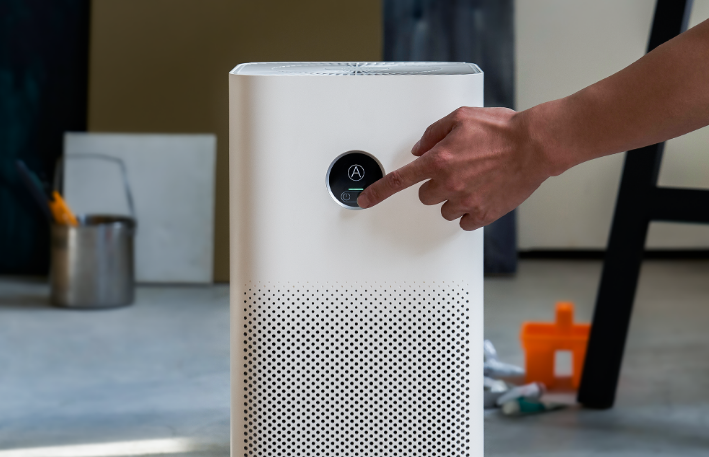
Indoor air quality is a critical factor influencing health, especially since people spend a majority of their time indoors. Air purifiers have gained popularity as devices designed to clean indoor air by filtering out pollutants and allergens. This article explores the scientific evidence behind the air purifier benefits, focusing on their effect on indoor air quality and allergies.
Do Air Purifiers Really Improve Health?
Air purifiers provide multiple documented benefits. They effectively reduce airborne particles such as dust, pollen, pet dander, and smoke, all of which can impact respiratory health. Studies indicate that using air purifiers with HEPA filters can significantly lessen allergy and asthma symptoms by capturing microscopic allergens and pollutants that trigger these conditions.
Beyond allergy relief, research also suggests air purifiers can improve cardiovascular health by reducing inflammation and improving microvascular function in vulnerable populations like the elderly. Additionally, some studies link cleaner indoor air with better sleep quality and enhanced cognitive function, emphasizing the broad health benefits of reducing indoor pollutants.
How Do Air Purifiers Improve Indoor Air Quality?
Air purifiers function primarily through filtration. High-efficiency particulate air (HEPA) filters can capture up to 99.97% of fine particulate matter (PM2.5), which includes many allergens and harmful pollutants. By continuously cycling and cleaning indoor air, these devices lower concentrations of airborne particles that degrade air quality. Reducing these pollutants also diminishes exposure to volatile organic compounds (VOCs) and some airborne pathogens, further enhancing the healthfulness of indoor environments, according to the National Institutes of Health.
Do Air Purifiers Help with Allergies?
Allergy sufferers often experience symptom relief when using air purifiers. Medical reviews, including those referenced by the U.S. Environmental Protection Agency (EPA), show statistically significant improvements in allergy and asthma symptoms when air purifiers are used consistently.
By filtering out common allergens like pollen, mold spores, and pet dander, air purifiers reduce triggers that exacerbate allergy symptoms, such as congestion, sneezing, and itchy eyes. While air purifiers cannot cure allergies, they are a valuable tool for allergy management by creating a cleaner breathing environment.
Can Air Purifiers Reduce Asthma Symptoms?
Asthma patients may find air purifiers helpful as they reduce airborne asthma triggers. Clinical studies demonstrate that HEPA air cleaners alleviate nocturnal asthma symptoms and reduce respiratory distress triggered by dust, smoke, and other inhaled irritants. This effect is particularly beneficial for individuals living with pets or in areas with poor outdoor air quality. However, air purifiers should be part of a comprehensive asthma management plan that includes medication and environmental control measures.
Are Air Purifiers Effective Against Dust Mites and Animal Dander?
Research provides mixed results on the effectiveness of air purifiers against dust mites and animal dander. Since these allergens often settle quickly on surfaces rather than remain airborne, purifiers have limited impact unless combined with regular cleaning to reduce settled dust. Nevertheless, air purifiers can still reduce airborne particles stirred up by activities such as vacuuming or pet movement, thereby reducing short-term allergen exposure, according to the Centers for Disease Control and Prevention.
What Do Scientific Studies Say About Air Purifiers and Health Improvement?
Multiple studies affirm the positive impact of air purifiers on health. A 2025 review reported that portable HEPA air purifiers significantly improved respiratory symptoms and cardiovascular markers in adults, including lowered inflammation and better blood vessel function.
Other controlled trials showed that air purifiers reduce indoor PM2.5 levels, thereby enhancing immune resilience and reducing systemic inflammation. These benefits include reducing the risk of respiratory infections and supporting cognitive function by reducing brain exposure to harmful pollutants. However, the long-term effectiveness of air purifiers can vary based on residential settings and maintenance.
How Should Air Purifiers Be Used for Best Results?
To maximize air purifier benefits, selecting devices with high-efficiency HEPA filters and an appropriate Clean Air Delivery Rate (CADR) for the room size is essential. Placement is important; central locations with unobstructed airflow improve performance. Using multiple units or whole-home filtration systems can enhance effectiveness in larger spaces.
Regular filter replacement and maintenance ensure optimal functioning. Air purifiers are most effective when part of a holistic approach that includes reducing pollutant sources and maintaining clean indoor environments through ventilation and cleaning.
Scientific evidence supports that air purifiers provide meaningful benefits for improving indoor air quality and reducing allergy and asthma symptoms. They also contribute to better respiratory and cardiovascular health by lowering exposure to airborne contaminants.
While not a cure-all, air purifiers are a valuable tool for creating healthier indoor environments, particularly for individuals with respiratory conditions or allergies. Proper selection, placement, and maintenance are key to realizing these health benefits fully.
Frequently Asked Questions
1. How much electricity do air purifiers typically use?
Air purifiers generally consume between 30 and 100 watts of power, with an average of around 50-60 watts on high settings. Running continuously 24/7 at this power level may cost about $3 to $5 per month, depending on electricity rates. Many newer models have energy-saving modes to reduce power consumption while maintaining effectiveness.
2. Can air purifiers remove viruses and bacteria from indoor air?
Some air purifiers with HEPA and activated carbon filters can reduce airborne viruses and bacteria by capturing particles they travel on. However, they do not sterilize the air, and effectiveness varies. Air purifiers are recommended as a supplementary measure alongside infection control practices rather than as a standalone solution.
3. Do air purifiers emit any harmful byproducts during operation?
High-quality HEPA-filtered air purifiers do not emit harmful substances. Certain types, such as ozone generators or ionizers, can produce ozone, which is harmful to respiratory health. It is important to choose air purifiers certified for safety and without ozone emissions for regular indoor use.
4. How often should air purifier filters be replaced for optimal health benefits?
Filter replacement frequency depends on usage and model, but typically ranges from every 3 to 12 months. Regular replacement is important because clogged filters reduce efficiency and may harbor trapped pollutants. Many devices have indicators or alerts to help users know when to change filters to maintain optimal indoor air quality.
Published by Medicaldaily.com


