








Ancient Ice Cave Bacterium Found in Romania Shows Resistance to Modern Antibiotics but Also Fights Superbugs
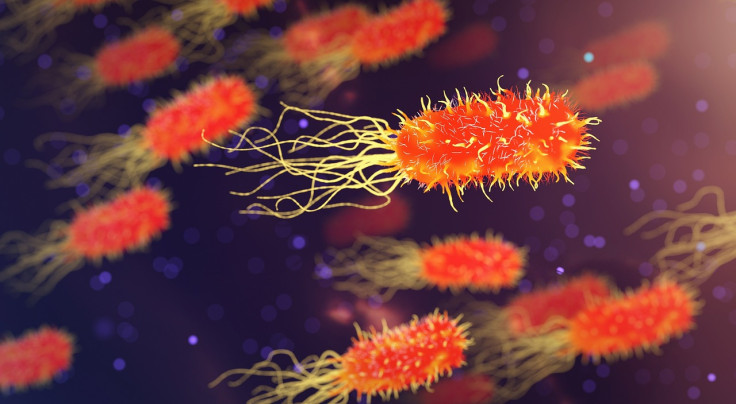
Ancient bacteria preserved for 5,000 years in a Romanian ice cave have been found to resist many modern antibiotics while also suppressing some of today's most dangerous "superbugs," giving scientists both a warning and a new hope in the fight against drug-resistant infections.
Hidden Resistance in Ancient Ice
Researchers in Romania studied a strain called Psychrobacter SC65A.3, isolated from Scarisoara Ice Cave in the Carpathian Mountains, and discovered that it carries more than 100 genes linked to antibiotic resistance despite existing long before humans developed these drugs.
Laboratory tests showed the bacterium can withstand 10 widely used antibiotics, including rifampicin, vancomycin, and ciprofloxacin, which are important for treating illnesses such as tuberculosis, colitis, and urinary tract infections. Scientists say this proves that antibiotic resistance can evolve naturally in the environment and is not only a result of modern medical use, according to Science Daily.
The strain is also the first known Psychrobacter bacterium found to resist trimethoprim, clindamycin, and metronidazole, medicines often used for infections of the lungs, skin, blood, reproductive system, and urinary tract.
This suggests that cold-adapted microbes frozen in ice may act as long-term reservoirs of resistance genes that could, in theory, move into bacteria that infect humans and animals.
To reach the ancient microbe, the team drilled a 25‑meter ice core from a section of the cave known as the Great Hall, covering around 13,000 years of frozen history.
The ice was handled under strict sterile conditions, sealed in special bags, and kept frozen during transport to prevent contamination, before scientists isolated bacterial strains and sequenced their genomes.
Genomic analysis helped them match predicted resistance genes with how the bacterium actually behaved in the lab when exposed to 28 antibiotics from 10 different classes, Phys reported.
A New Ally Against Superbugs
The discovery comes with a double message: risk and opportunity. As global warming continues and ancient ice melts, researchers warn that bacteria and resistance genes locked in these frozen habitats could be released into modern ecosystems, potentially adding to the growing problem of antibiotic resistance worldwide.
At the same time, Psychrobacter SC65A.3 showed the ability to inhibit major antibiotic-resistant pathogens and produced powerful enzymes and antimicrobial compounds that may inspire new medicines or industrial tools.
Scientists found nearly 600 genes in this strain whose functions are still unknown, along with 11 genes that could help kill or stop bacteria, fungi, or even viruses, pointing to a large untapped resource for biotechnology and drug development.
They argue that studying such ancient microbes can reveal how resistance evolved over thousands of years and guide better strategies to manage today's superbugs, while stressing that strict safety measures are essential when handling these organisms to avoid accidental spread, as per FrontiersIN.
Published by Medicaldaily.com


