


Anti-Inflammatory Foods to Ease Pain and Boost Gut Health: Your Ultimate Inflammation Diet Guide
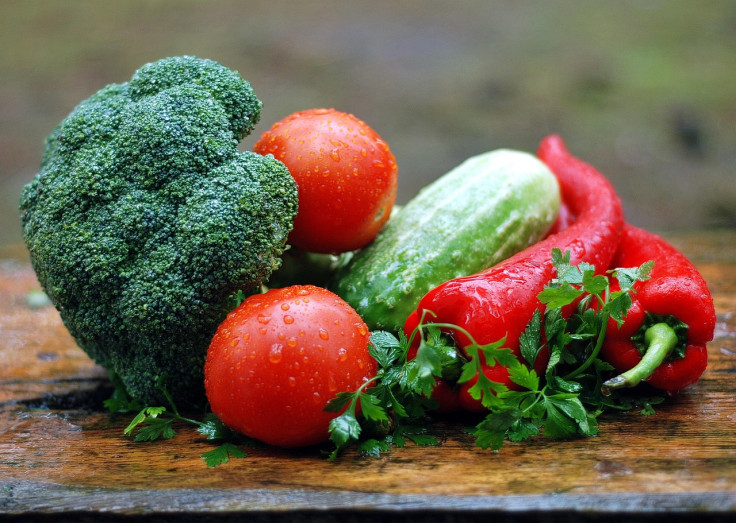
Inflammation is a natural immune response, but chronic inflammation can lead to pain and various health issues, including compromised gut health. The anti-inflammatory diet focuses on consuming foods that reduce inflammation, thereby alleviating pain and supporting a healthy digestive system. This article explores the best anti-inflammatory foods, the connection between diet and gut health, and practical ways to incorporate these foods into daily eating habits.
What Are Anti-Inflammatory Foods?
Anti-inflammatory foods contain compounds that help calm the body's inflammatory responses. These include antioxidants, polyphenols, vitamins, and minerals found in whole, unprocessed foods. Some of the top anti-inflammatory foods include:
- Fruits and vegetables rich in color and nutrients, such as berries, cherries, broccoli, kale, spinach, carrots, and tomatoes. These provide antioxidants that neutralize harmful free radicals contributing to inflammation.
- Fatty fish like salmon, sardines, and mackerel, which are high in omega-3 fatty acids known to reduce inflammatory markers.
- Nuts and seeds, such as walnuts, almonds, chia seeds, flaxseeds, and pumpkin seeds, contain healthy fats and fiber that support anti-inflammatory processes.
- Whole grains like quinoa, oats, and brown rice provide fiber that supports gut health.
- Spices and herbs, including turmeric, ginger, garlic, cinnamon, and rosemary, with bioactive compounds that reduce cytokine activity linked to inflammation.
- Healthy oils such as extra virgin olive oil, which contains oleocanthal, known for anti-inflammatory effects.
These foods not only reduce inflammation but also promote overall health through their nutrient density.
How Does an Anti-Inflammatory Diet Improve Gut Health?
The gut is home to a diverse microbiome that plays a crucial role in digestion, immunity, and inflammation regulation, according to the National Institutes of Health. An anti-inflammatory diet supports gut health in several ways:
- Dietary fiber from fruits, vegetables, legumes, and whole grains feeds beneficial gut bacteria, enhancing their growth and diversity. This supports a balanced microbiome and helps reduce gut inflammation.
- Fermented foods like yogurt, kimchi, and sauerkraut introduce probiotics that improve gut flora balance and strengthen the gut barrier, preventing harmful pathogens from triggering inflammation.
- Omega-3 fatty acids found in fatty fish reduce inflammation in the gut lining by modulating immune cell responses and cytokine production.
- Antioxidants and polyphenols in anti-inflammatory foods protect gut cells from oxidative stress and inflammation-induced damage.
- Improving gut health through diet not only aids digestion but also helps reduce systemic inflammation, which can manifest as chronic pain or fatigue.
Foods to Avoid in an Inflammation Diet
To effectively reduce inflammation and support gut health, it is important to avoid or limit foods that can trigger or worsen inflammatory responses:
- Processed foods high in refined sugars and unhealthy fats contribute to inflammation and disrupt gut microbiota balance.
- Excessive consumption of red and processed meats, especially charred or grilled types, can increase inflammatory markers.
- Trans fats and hydrogenated oils found in many fast foods and baked goods promote inflammation.
- Some individuals may benefit from limiting nightshade vegetables (tomatoes, eggplants, peppers) if these foods exacerbate their symptoms.
- Excessive alcohol can also damage the gut lining and increase inflammation.
- Choosing whole, minimally processed foods over these inflammatory triggers is key to a successful inflammation diet.
Incorporating Anti-Inflammatory Foods into Daily Life
A sustainable anti-inflammatory diet can be enjoyable and varied. Practical tips include:
- Adopting a Mediterranean-style diet, which emphasizes fruits, vegetables, whole grains, legumes, nuts, fish, and healthy oils, all rich in anti-inflammatory nutrients.
- Starting meals with colorful vegetables and including a variety of plant-based foods to maximize nutrient intake.
- Using herbs and spices like turmeric and ginger to enhance flavor while benefiting from their anti-inflammatory properties.
- Snacking on nuts, seeds, or berries instead of processed snacks.
- Incorporating fermented foods regularly to boost gut health.
- Choosing fatty fish at least twice a week for omega-3 intake.
Sample meal ideas could include a salmon and kale salad with olive oil dressing, a turmeric-spiced vegetable stir-fry, or a berry and chia seed smoothie.
The anti-inflammatory diet offers a holistic approach to managing pain and enhancing gut health through nourishing, whole foods that target inflammation at its source, according to the Heart and Stroke Foundation of Canada. Adopting it can support long-term wellness and improved quality of life.
Frequently Asked Questions
1. Is an anti-inflammatory diet safe and beneficial during pregnancy?
Yes, an anti-inflammatory diet can be beneficial during pregnancy as it may help manage inflammation that is linked to pregnancy complications such as gestational diabetes and preterm birth. Including foods rich in antioxidants and omega-3 fatty acids supports maternal and fetal health. However, pregnant individuals should consult healthcare providers to tailor the diet to their specific needs for safety and optimal outcomes.
2. Can an anti-inflammatory diet improve fertility and reproductive health?
Emerging evidence suggests that consuming anti-inflammatory foods before and during conception may positively influence fertility by improving endocrine and metabolic parameters, which could benefit conditions like polycystic ovary syndrome (PCOS). Though clinical fertility outcome data is limited, an inflammation-reducing diet might support reproductive health through systemic inflammation reduction.
3. How does chronic inflammation during pregnancy affect the child's long-term health?
Maternal diet-induced inflammation during pregnancy has been linked with risks of adverse outcomes for the child, including a potentially increased risk of autoimmune conditions like type 1 diabetes. An anti-inflammatory diet may reduce low-grade inflammation during pregnancy, which could lower such risks and promote healthier fetal development.
4. Are there any potential side effects or risks associated with following an anti-inflammatory diet long term?
Generally, an anti-inflammatory diet emphasizing whole, nutrient-dense foods is considered safe with minimal risk for most people. However, overly restrictive versions of the diet might lead to nutrient imbalances. It is important to maintain a balanced intake of all essential nutrients and consult healthcare providers before making significant dietary changes, especially for people with medical conditions or special dietary needs.
Published by Medicaldaily.com


