





Botox vs. Fillers: How Each Injection Works, What Results to Expect, and Key Side Effects to Know
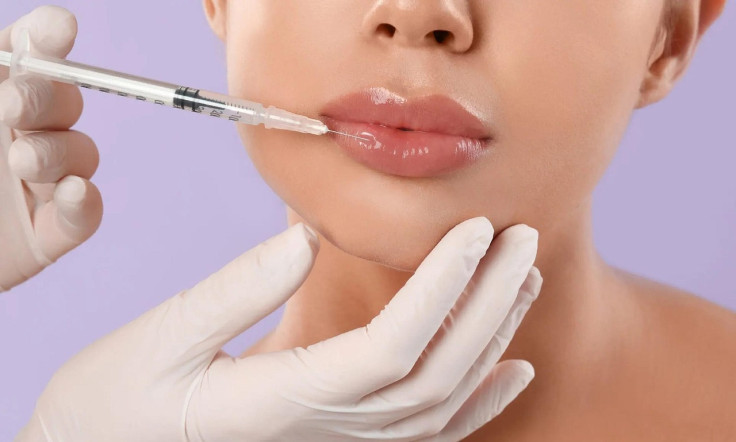
The popularity of wrinkle injection treatments has surged over the last decade, with millions turning to non-surgical procedures for a smoother, more youthful look. The most sought-after options, Botox vs fillers, are often mentioned together, yet they serve different purposes and produce distinct results.
Understanding how each injectable works, what to expect after treatment, and their potential side effects helps individuals make informed choices about aesthetic care.
What's the Difference Between Botox and Fillers?
While both procedures fall under the umbrella of wrinkle injection treatments, Botox and fillers target different aging concerns.
Botox, a neuromodulator, temporarily relaxes facial muscles that cause dynamic wrinkles such as frown lines and crow's feet. Dermal fillers, on the other hand, restore volume and smooth out static wrinkles, creases that appear even when the face is at rest.
Botox's active ingredient is botulinum toxin type A, which interrupts nerve signals that trigger muscle contractions. Fillers, in contrast, typically use hyaluronic acid or other gel-like substances to add structure beneath the skin. Botox softens movement-based wrinkles, whereas fillers plump sagging areas such as cheeks, lips, and smile lines.
In terms of longevity, Botox results usually last three to four months, while dermal filler effects can persist anywhere from six months to two years, depending on the type used. Cost also varies: Botox is usually priced per unit, while fillers are charged per syringe. Both treatments are quick, minimally invasive, and require little downtime.
How Does Botox Work?
Botox works by temporarily blocking the release of acetylcholine, a neurotransmitter that signals facial muscles to contract. When injected into targeted areas, this relaxation prevents repetitive movements that cause fine lines to deepen over time.
A typical Botox procedure takes about 10 to 15 minutes and involves several small injections using a fine needle. Most individuals experience only minor discomfort, often described as a quick pinch. Results begin to appear within three to five days, with full smoothing effects visible around the two-week mark.
Botox results typically last up to four months, after which muscle movement gradually returns and wrinkles begin to reappear. Consistent treatments can help train the facial muscles over time, allowing for longer-lasting effects between sessions.
Patients often use Botox for forehead lines, glabellar (frown) lines, and crow's feet, but it's also used medically for issues like excessive sweating and muscle spasms. The treatment's popularity lies in its ability to deliver subtle, natural results without surgery or extended recovery.
How Do Dermal Fillers Work?
Where Botox relaxes movement-based wrinkles, dermal filler effects restore fullness to areas affected by aging, volume loss, or gravity. Fillers are gel-like substances injected beneath the skin to add contour and smooth deep folds.
The majority contain hyaluronic acid (HA), a molecule that naturally attracts and retains moisture, giving skin a hydrated and youthful glow, according to Cleveland Clinic.
Other common filler ingredients include calcium hydroxylapatite (used for deeper lines), poly-L-lactic acid (which stimulates collagen production), and polymethyl methacrylate beads for more permanent volume correction.
A dermal filler treatment typically lasts between 15 and 45 minutes. The injector uses precise techniques to shape or restore facial features, such as the cheeks, lips, jawline, or under-eye area. Patients see immediate improvement after injection, which continues to refine as any minor swelling subsides.
Dermal filler effects can last six months to two years, depending on the product formulation, placement area, and individual metabolism. Periodic touch-ups help maintain results and prevent volume depletion over time.
Botox Results vs. Dermal Filler Effects: What to Expect
Both Botox and fillers serve different purposes in facial rejuvenation, and combining them can often yield the most balanced outcome. Botox smooths expression-related lines, while fillers replenish lost volume to rebuild youthful contours.
For instance, Botox is ideal for forehead wrinkles and crow's feet, while fillers are best for smile lines, sagging cheeks, or enhancing lips. A combination approach, often called a "liquid facelift," can target multiple aspects of facial aging without surgery.
While Botox results tend to offer subtle, progressive improvements, dermal fillers show immediate results after injection. However, both benefit from skilled application; a qualified injector can create natural, harmonious improvements while preserving each person's unique facial expressions.
What Are the Side Effects of Botox and Fillers?
Every cosmetic procedure carries some level of risk, and understanding possible cosmetic injection side effects helps set realistic expectations.
Common side effects for both Botox and fillers include temporary redness, swelling, bruising, or mild tenderness at the injection site. These usually resolve within a few days. For Botox, less common reactions might include minor drooping of the eyelid or uneven muscle relaxation if the toxin diffuses into nearby areas.
Fillers come with their own set of risks. Because they add physical volume beneath the skin, incorrect placement may lead to lumpiness or asymmetry. In rare cases, accidental injection into a blood vessel can cause more serious complications such as tissue damage or vascular occlusion.
Choosing a licensed medical professional who understands facial anatomy reduces these risks significantly. Practitioners also guide patients through aftercare steps, such as avoiding strenuous activity, heat exposure, or pressure on treated areas for 24 to 48 hours.
While side effects from wrinkle injection treatments are usually mild and temporary, patients should promptly contact their provider if they experience prolonged pain, swelling, or discoloration, as per Mayo Clinic.
How to Choose Between Botox and Fillers
Deciding between Botox vs fillers depends largely on an individual's age, skin condition, aesthetic goals, and budget. For younger patients who are starting to see fine lines from facial movement, Botox may be the more preventive choice. Those dealing with deeper folds, hollow cheeks, or thinning lips typically benefit more from dermal fillers.
Another key factor is how quickly results are desired. Fillers provide instant volume, whereas Botox takes several days to take effect. Many professionals recommend starting with one treatment type and later combining both to enhance facial balance.
Regardless of choice, it's crucial to consult a licensed, experienced injector or dermatologist. During the consultation, the provider evaluates facial structure, discusses expectations, and suggests a customized treatment plan.
Patients should avoid seeking the lowest price or unverified providers, as improperly administered injectables can lead to complications or unsatisfactory outcomes.
Expert Tips for Safe Wrinkle Injection Treatments
Safety remains a top priority when considering any wrinkle injection treatments. Professional oversight, sterile techniques, and medical-grade products all contribute to safer outcomes. Checking a practitioner's credentials and before-and-after patient photos helps establish trust and transparency.
Patients are also advised to disclose their medical histories, medications, and allergies before treatment to avoid contraindications. Avoiding alcohol and certain supplements a few days before the appointment may help reduce bruising.
Following aftercare guidelines, like avoiding facials or massages immediately after treatment, encourages better healing and more consistent Botox results and dermal filler effects.Choosing the Right Injectable for Natural-Looking Results
Ultimately, deciding between Botox vs fillers comes down to the type of wrinkles being treated and the aesthetic goals sought. Botox excels at smoothing dynamic lines caused by movement, while fillers effectively restore lost volume and structure.
When performed by skilled professionals, these wrinkle injection treatments can complement each other beautifully, achieving refreshed yet natural results.
With a solid understanding of how these injectables work, along with awareness of possible cosmetic injection side effects, individuals can make confident, informed decisions about their skin care and aesthetic journey.
Both Botox and fillers remain reliable, minimally invasive options for maintaining youthful, expressive, and balanced facial harmony.
Frequently Asked Questions
1. Can Botox or fillers make wrinkles worse if you stop getting them?
No. When the effects wear off, the skin simply returns to its original state before treatment. Stopping injections doesn't accelerate aging or make wrinkles worse.
2. Are Botox and dermal fillers safe for all skin types?
Yes, both treatments are suitable for most skin types. However, individuals with certain skin conditions or allergies should get a professional evaluation before treatment.
3. Can you wear makeup after Botox or filler injections?
It's best to wait at least 24 hours before applying makeup to reduce the risk of irritation or infection at injection sites.
4. How soon after Botox or fillers can you exercise again?
Most professionals recommend waiting 24 to 48 hours after treatment to avoid bruising or product migration caused by increased blood flow.
Published by Medicaldaily.com


