


Feeling Sick After a Flight? The Real Causes Behind Jet Lag and Airplane Sickness
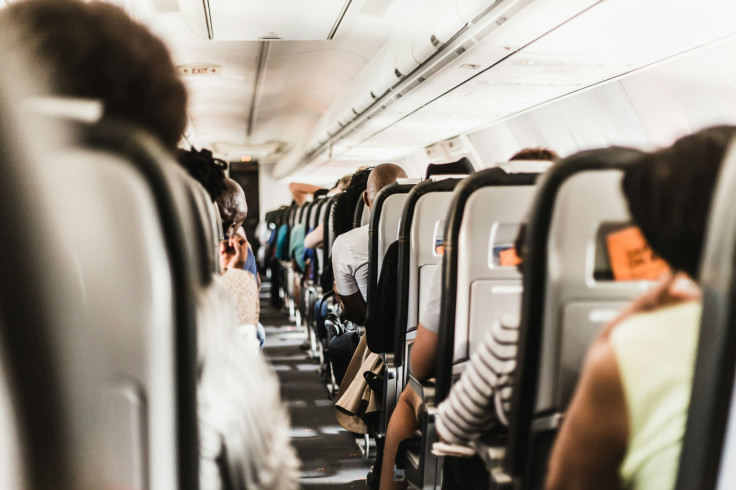
Many travelers step off a plane feeling nauseous, tired, dizzy, or simply "off," and it's more than just fatigue from a long trip. A combination of airplane sickness, shifting cabin pressure, dehydration, and jet lag symptoms can throw the body out of balance. These reactions are extremely common and can affect even experienced flyers.
Understanding why these symptoms happen is an important part of maintaining good travel health. Flights expose the body to unnatural environments—high altitude, low humidity, limited movement, altered time zones, and sensory mismatches—that can strain the nervous system and internal body clock. Learning how these factors interact helps travelers prepare better and recover faster, especially on long-distance or frequent flights.
Airplane Sickness and Its Symptoms
Airplane sickness is a type of motion sickness triggered when the brain receives conflicting signals from the body. During a flight, your inner ear senses movement from turbulence or changes in altitude, while your eyes may see a still environment inside the cabin. This mismatch confuses the brain, which can trigger nausea and dizziness. According to the Centers for Disease Control and Prevention , motion sickness occurs when the inner ear and visual system send conflicting information to the brain, causing symptoms such as nausea, cold sweats, and vomiting.
Common Symptoms of Airplane Sickness
- Nausea or stomach discomfort
- Dizziness or a feeling of imbalance
- Cold sweats
- Headache or pressure in the temples
- Vomiting in more severe cases
- Increased heart rate or anxiety
Why Some People Are More Prone to Airplane Sickness
Several risk factors influence susceptibility, including:
- Seat location: Sitting in the back of the plane amplifies movement and turbulence.
- Anxiety: Nervous system sensitivity heightens awareness of motion.
- Genetic predisposition: Some people naturally have a more reactive vestibular system.
- Reading or screen use during turbulence: Creates stronger sensory mismatches.
Individuals with heightened vestibular sensitivity are significantly more likely to experience motion sickness in environments where visual cues contradict physical movement. In addition, low cabin humidity can worsen symptoms. Dry air dehydrates the mucous membranes and makes dizziness and head pressure feel more intense.
Jet Lag Symptoms and Why They Occur
While airplane sickness hits during or shortly after a flight, jet lag symptoms often appear several hours—or even days—later. Jet lag occurs when a traveler crosses multiple time zones, disrupting the body's natural circadian rhythm, which regulates sleep, digestion, body temperature, and hormone cycles. According to the Sleep Foundation, jet lag is a form of circadian misalignment that causes fatigue, poor concentration, digestive issues, and insomnia after long-distance travel.
Common Jet Lag Symptoms
- Overwhelming daytime fatigue
- Difficulty falling or staying asleep
- Irritability or mood swings
- Trouble concentrating
- Loss of appetite or digestive discomfort
- Headaches and general malaise
Why Jet Lag Happens
- Circadian Rhythm Disruption Your internal clock can only shift 1–2 hours per day, so crossing six or more time zones overwhelms it.
- Hormonal Shifts Melatonin release becomes dysregulated, causing insomnia or early waking.
- Digestive Disturbances The gut operates on a rhythm too; sudden schedule changes lead to bloating, nausea, or constipation.
- Flight Direction
- Flying east shortens the natural day and causes more severe jet lag.
- Flying west lengthens the day, and symptoms are often milder.
Based on research from Harvard Medical School, eastbound travel typically results in stronger circadian disruption because the body struggles more to shorten its day than extend it.
How Sleep Patterns Affect Jet Lag
People who already struggle with sleep are more sensitive to circadian rhythm disruptions, making jet lag harder to manage. Short sleepers, shift workers, and individuals with insomnia may take longer to adjust to new time zones because their internal clocks are already irregular or overstressed. Poor sleep habits—such as inconsistent bedtimes, excessive screen use before sleep, or chronic sleep deprivation—can also amplify jet lag symptoms by weakening the body's ability to reset its natural rhythm.
Environmental and Physical Factors That Contribute to Post-Flight Sickness
Aside from motion-related discomfort and circadian rhythm disruptions, several environmental factors inside the aircraft can also trigger post-flight sickness. These conditions often intensify airplane sickness and make jet lag symptoms feel more severe once travelers land.
Low Cabin Humidity and Dehydration
Airplane cabins maintain humidity levels around 10–20%, far lower than the average indoor environment. This dry air rapidly dehydrates the body, leading to headaches, fatigue, dry eyes, and increased dizziness. Dehydration can also make the blood thicker, contributing to sluggishness and lightheadedness after landing.
Reduced Cabin Pressure and Mild Hypoxia
Commercial aircraft are pressurized to the equivalent of 6,000–8,000 feet above sea level. At this altitude, the body receives less oxygen, which can cause mild hypoxia—leading to headaches, nausea, or a feeling of mental fog. While safe for healthy individuals, sensitive travelers may notice symptoms more intensely.
Prolonged Sitting and Poor Circulation
Limited movement during long flights restricts blood circulation, potentially causing:
- Leg stiffness
- Swelling of the feet and ankles
- Lightheadedness upon standing
- Higher risk of vein-related issues for at-risk passengers
This reduced circulation contributes to the "heavy" or "unwell" feeling many experience after landing.
Exposure to Germs in Confined Spaces
Aircraft cabins are enclosed spaces where viruses can circulate more easily—especially during long flights. While filtration systems like HEPA filters remove high percentages of airborne particles, close proximity to other passengers still increases exposure. This contributes to feeling sick after flying and can mimic or worsen existing travel health symptoms.
Noise, Vibration, and Sensory Stress
Continuous engine noise, cabin vibration, and seat discomfort heighten nervous system stress. These factors make the brain more sensitive to nausea signals, increasing the likelihood of airplane sickness during turbulence or descent.
Conclusion
Feeling sick after flying is extremely common, and understanding why it happens is the first step toward preventing it. Airplane sickness typically results from sensory conflict between what the eyes see and the inner ear feels, while jet lag symptoms arise from circadian rhythm disturbances caused by crossing time zones. Stress, dehydration, seat location, hormone shifts, and underlying medical conditions can all intensify these travel-related challenges.
Improving travel health requires preparation before the flight and smart habits during the journey. Staying hydrated, choosing seats wisely, regulating sleep schedules, and supporting the body's natural rhythms can significantly reduce discomfort. With the right strategies, travelers can minimize the effects of airplane sickness and jet lag and arrive at their destination feeling refreshed, balanced, and ready to enjoy their trip.
Frequently Asked Questions
1. How long does jet lag usually last?
Most travelers feel relief within 2–4 days, but recovery depends on the number of time zones crossed. On average, your body needs one day per time zone to fully adjust.
2. What can help prevent motion sickness on planes?
Sit over the wings, look at the horizon, avoid reading during turbulence, and keep your head still. Ginger supplements, acupressure wristbands, and anti-nausea medications may also help.
3. Are there medical treatments for jet lag and airplane sickness?
Yes. Doctors may prescribe anti-nausea medications, sleep aids, or melatonin supplements. Always consult a healthcare provider before using medication for travel health.
4. Can hydration affect these travel-related symptoms?
Absolutely. Dehydration worsens both airplane sickness and jet lag symptoms. Drink water regularly and avoid excessive caffeine or alcohol before and during flights.
Published by Medicaldaily.com


