


Gene Editing with CRISPR Technology: Pros, Cons, and the Ethics of Genetic Engineering
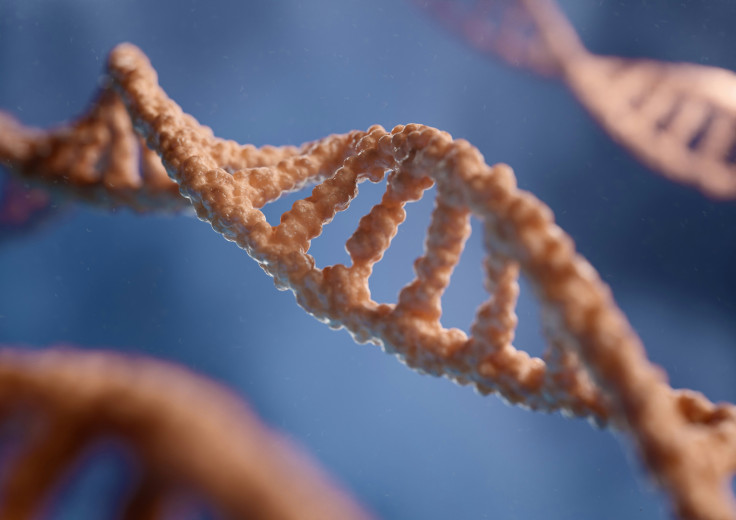
CRISPR has rapidly become one of the most influential breakthroughs in modern science. As a precise gene-editing tool, it allows researchers to cut, modify, or replace DNA sequences with remarkable accuracy. This capability has opened new pathways for treating inherited diseases, improving agricultural output, and advancing biological research.
Yet with such power comes equally significant responsibility. The growing conversations around CRISPR explained, alongside rapidly evolving policies, reflect society's need to weigh both the benefits and consequences of altering the building blocks of life. As gene editing expands, ethical discussions intensify regarding who should have access, how modifications should be used, and where we must draw boundaries. These issues shape the ongoing debate surrounding the gene editing pros and cons and the future of responsible genetic engineering.
Scientific Benefits and Technical Challenges of Gene Editing
CRISPR's potential in medicine is extraordinary. Many genetic disorders once considered untreatable are now being approached with promising new therapies. For instance, sickle cell anemia—caused by a single mutation—has been at the forefront of CRISPR trials. According to the U.S. National Institutes of Health, clinical trials have shown that CRISPR-modified cells can successfully reduce or eliminate pain crises and restore healthy blood function in patients. This represents one of the most hopeful advances yet in targeted gene correction.
CRISPR has also shown utility in cancer treatment research. By modifying immune cells like T-cells, scientists can enhance their ability to detect and destroy malignant cells. These targeted therapies carry fewer systemic side effects than traditional treatments such as chemotherapy.
The agricultural sector likewise benefits from CRISPR's precision. Genetic adjustments help crops grow more resiliently in harsh climates, resist pests without heavy pesticide use, and produce higher yields. Based on a study conducted by the U.S. Department of Agriculture , gene-edited crops can mature faster, reduce environmental impact, and maintain nutritional content. This positions CRISPR as a potential solution for food security in regions facing climate instability. Despite its promise, CRISPR is far from perfect. The debate around gene editing pros cons becomes clearer when examining its technical challenges:
- Off-Target Effects: CRISPR may unintentionally cut DNA in unintended locations, risking harmful mutations.
- Delivery Limitations: Safely delivering CRISPR components into human cells—especially inside the body—remains difficult.
- Mosaicism: Edits may not appear in all cells, reducing effectiveness and complicating medical outcomes.
Researchers continue to improve CRISPR's accuracy, but these limitations keep discussions about ethical use at the forefront.
Societal Concerns Surrounding Genetic Engineering Applications
Outside the laboratory, CRISPR triggers strong societal reactions. Much of this stems from the possible consequences of genetic engineering being used without strict oversight.
A major concern involves germline editing—modifying DNA in embryos so the changes pass down to future generations. This became a global controversy in 2018 when a scientist announced the birth of genetically edited babies. The scientific community widely condemned the act as premature and unsafe. According to Harvard Medical School, germline editing carries unpredictable long-term risks and should not be applied clinically until extensive safety research is completed.
Beyond safety, germline editing raises questions related to fairness and social equality. If gene modification becomes expensive, accessible only to wealthy individuals or countries, it could widen global disparities. Advanced genetic enhancements might create divides between those who can afford biological advantages and those who cannot.
Ethical debates also emerge around human enhancement. Adjusting traits such as strength, intelligence, or appearance may shift CRISPR from a medical therapy into a designer-tool industry. Many argue this crosses moral boundaries, evoking fears of eugenics and eroding diversity. Environmental concerns accompany CRISPR's use in animals and plants as well. Modifying species in the wild—especially through gene drives—could disrupt ecosystems, reduce biodiversity, or cause irreversible ecological changes.These discussions highlight the delicate balance between innovation and responsible stewardship in genetic engineering.
Conclusion
CRISPR has reshaped modern science, offering unprecedented potential in medical treatment, agriculture, and biological research. But alongside its revolutionary capabilities come valid ethical, technical, and societal concerns. Understanding both sides of the debate—its benefits and its limitations—helps guide responsible decision-making.
As global interest grows in CRISPR explained, it becomes increasingly important to reflect on gene editing pros and cons with transparency and caution. Governance frameworks, public education, and international collaboration will play key roles in ensuring that this technology benefits humanity fairly and safely. With balanced oversight, CRISPR can remain a powerful tool within genetic engineering while safeguarding ethical integrity for generations to come.
Frequently Asked Questions
1. What is CRISPR and how does it work?
CRISPR is a gene-editing tool that uses an enzyme (usually Cas9) guided by RNA to cut DNA at specific locations, allowing scientists to remove, add, or replace genetic sequences.
2. Are there regulations preventing germline editing?
Yes. Most countries have restrictions or bans on editing embryos intended for pregnancy. Regulations vary, but global scientific bodies advocate cautious, tightly controlled research.
3. Can CRISPR create "designer babies"?
Technically, CRISPR could modify non-medical traits, but doing so is considered unethical, unsafe, and is widely prohibited in clinical practice.
4. What are the biggest gene editing pros and cons for society?
Pros include disease treatment, improved crops, and scientific advancement. Cons involve inequality, misuse, safety risks, and ethical dilemmas regarding irreversible genetic changes.
Published by Medicaldaily.com


