


Holiday Illness Syndrome: Why You Get Sick on Holiday and How to Beat It
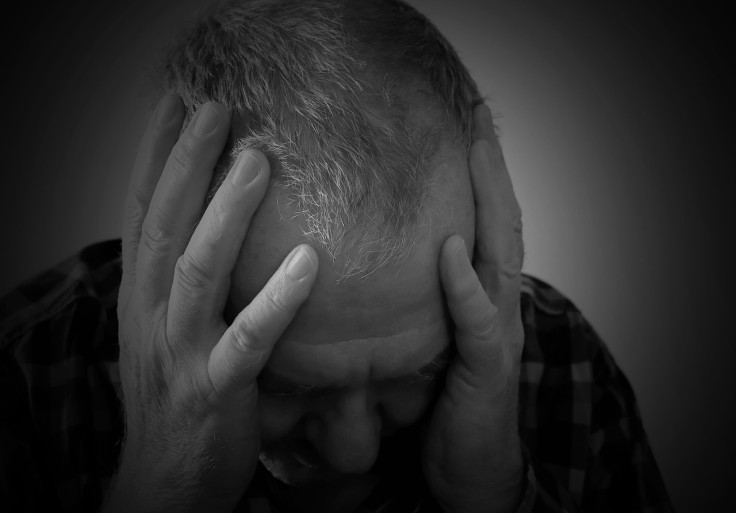
The term "holiday illness syndrome" describes the frustrating experience of feeling unwell just when the holidays finally arrive or immediately after they end. This article explores what it is, why it happens, and practical ways to prevent and manage it, detailing the syndrome in an objective, research‑driven perspective.
What Is Holiday Illness Syndrome?
Holiday illness syndrome refers to a pattern where individuals develop physical or emotional symptoms of illness around holidays, vacations, or festive breaks. The discomfort can appear just before a planned holiday, during time off, or in the days after returning to normal life.
While not a formal medical diagnosis, holiday illness syndrome captures a real and common experience that blends stress, lifestyle factors, and changes in routine.
This phenomenon can include fatigue, headaches, digestive issues, mood changes, and a sense of being "run down" at the very time when rest and enjoyment were expected. Closely related concepts include "leisure sickness," post‑holiday syndrome, and post‑holiday blues, all of which describe different ways the body and mind react to sudden shifts in stress and schedule.
Throughout this article, the terms holiday, illness, and syndrome are used in combination to reflect this broader cluster of reactions.
What Is Holiday Illness Syndrome?
Holiday illness syndrome can be understood as a set of symptoms that emerge when the body transitions between high‑pressure periods and relatively unstructured time off. People often push themselves hard in the weeks leading up to a holiday, racing to meet deadlines, organize family plans, or travel logistics. Once the holiday period begins, the nervous system shifts gears, and the body sometimes responds with illness.
Importantly, holiday illness syndrome does not represent a single disease, virus, or infection. Instead, it is a descriptive label for an overlap of physical and emotional responses: minor infections that take hold when immunity dips, stress‑related symptoms, and mood shifts triggered by changes in environment and expectations. For many, the pattern feels predictable, every holiday brings some form of illness, even though they remain relatively fine the rest of the year.
What Causes Holiday Illness Syndrome?
Several mechanisms may contribute to holiday illness syndrome, and they tend to reinforce one another:
- Chronic stress followed by sudden relief: Many people endure weeks or months of high stress before a holiday, only to relax abruptly once the break starts. The body may hold tension and stress hormones during busy periods, then "crash" when pressure drops, leaving individuals vulnerable to illness.
- Weakened immune defenses: Long working hours, inadequate sleep, poor diet, and high caffeine intake can gradually impair immune function. When the holiday begins, the immune system may finally be overrun by viruses or bacteria that were previously kept at bay.
- Lifestyle changes during holidays: Holidays often involve richer foods, more sugar, alcohol, late nights, and irregular sleep. These shifts can affect digestion, inflammation, and immunity, increasing the risk of headaches, stomach upset, and general malaise.
- Emotional and social stressors: For some, holidays bring family conflict, financial worries, loneliness, or high expectations for "perfect" celebrations. Emotional strain can amplify physical symptoms and contribute to the perception of illness.
Taken together, these factors help explain why holiday illness syndrome is so frequently reported, even among otherwise healthy individuals, according to the World Health Organization.
Why Do People Get Sick Right Before or During a Holiday?
One widely discussed explanation is the "let‑down effect." During busy periods, stress hormones such as cortisol remain elevated, helping the body stay alert and functional despite pressure. When the holiday finally arrives and stress decreases, the sudden drop in these hormones may reduce the body's defenses against infections and inflammation, allowing latent issues to surface.
Travel itself can also play a major role. Holidays often involve crowded airports, public transport, and close contact with many people, increasing exposure to viruses and bacteria. Changes in climate, humidity, or altitude may further stress the body. Combined with jet lag, irregular meals, and disrupted sleep, this creates ideal conditions for illness to emerge right at the start of a holiday.
Why Do People Feel Ill After Holidays?
Post‑holiday illness can result from accumulated strain during the break. Late nights, heavy meals, alcohol, and constant socializing can feel enjoyable in the moment but place a sustained load on the body. Once the holiday ends, fatigue and physical symptoms that were previously masked become more noticeable, as per Harvard Health.
Additionally, returning to work or school often brings an abrupt shift back to structure, deadlines, and responsibilities. The contrast between holiday freedom and everyday demands can contribute to headaches, stomach discomfort, muscle tension, and mood disturbances. For some, this pattern becomes predictable enough to be recognized as part of holiday illness syndrome.
When to Seek Medical or Professional Help
Although holiday illness syndrome often involves mild, self‑limiting symptoms, there are situations where professional help is essential. Persistent high fever, severe pain, breathing difficulty, chest discomfort, confusion, or any rapidly worsening symptoms should prompt urgent medical attention.
Similarly, signs of significant mental health distress, such as persistent hopelessness, thoughts of self‑harm, or inability to perform basic daily tasks, require prompt evaluation by a qualified professional.
In less urgent cases, individuals who notice a repeated pattern of becoming sick around every holiday may benefit from discussing it with a healthcare provider. Underlying conditions, chronic stress, or mood disorders can sometimes be identified and treated, reducing the intensity of future episodes. A clinician can help distinguish between relatively benign holiday illness syndrome and issues that require specific medical intervention.
Holiday illness syndrome offers a useful way to describe the recurring pattern of feeling unwell around holidays and festive periods. While it is not a single defined disease, it reflects the complex interaction between stress, lifestyle changes, immune function, and emotional health.
By understanding how chronic pressure, abrupt routine shifts, travel, and expectations contribute to this syndrome, individuals and families can make more informed choices about how they plan and experience holidays. Thoughtful preparation, moderate habits, and compassionate self‑care can
Frequently Asked Questions
1. Can holiday illness syndrome affect people who stay at home instead of traveling?
Yes, holiday illness syndrome can affect people who stay at home because the main triggers are stress changes and routine disruption, not just travel. Someone might feel unwell when time off starts, even if they spend the entire holiday at home, simply because they have been under pressure and then suddenly relax.
2. Does personality type make someone more likely to experience holiday illness syndrome?
Certain personality traits can increase vulnerability, particularly perfectionism, high responsibility, and difficulty "switching off" from work. People who feel guilty resting or who over‑plan every detail of a holiday may experience more tension before the break and a stronger "crash" once it starts.
3. Can holiday illness syndrome be tracked or monitored over time?
Yes, individuals can track patterns by noting when symptoms appear around holidays in a journal or digital health app. Recording sleep, stress, diet, and mood before, during, and after holidays can reveal triggers and help refine prevention strategies for future breaks.
4. Is it possible for children and teenagers to experience holiday illness syndrome?
Children and teenagers can show a similar pattern, especially around school holidays, exams, or major family events. They may not describe it as a "syndrome," but increased tiredness, moodiness, stomachaches, or minor infections around breaks can reflect the same stress‑plus‑routine‑change mechanism seen in adults.
Published by Medicaldaily.com


