





Hormonal Acne in Adults: Acne Causes and Skin Hormones Explained
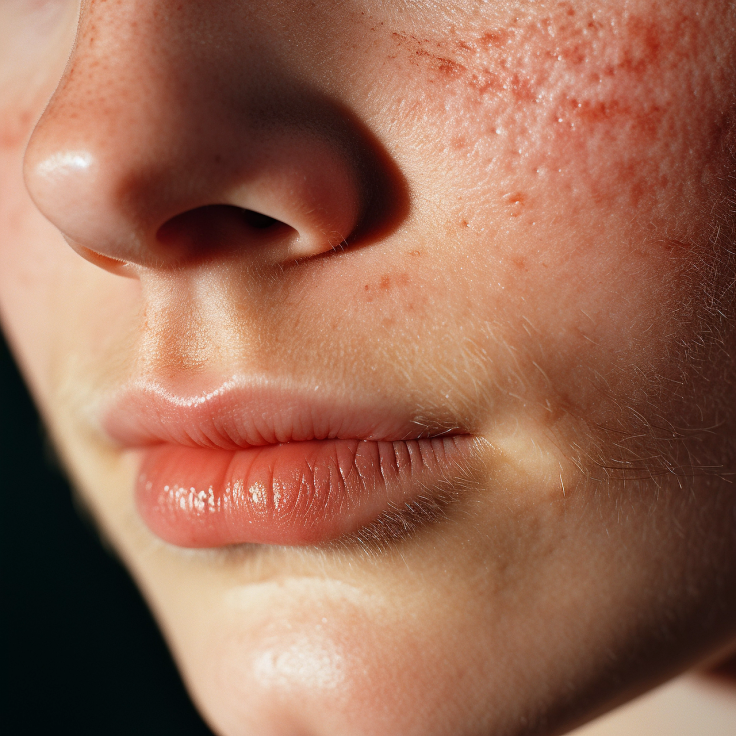
Hormonal acne in adults is a common and persistent skin concern that affects many individuals beyond their teenage years. Unlike typical adolescent acne, hormonal acnein adults are largely driven by fluctuations in skin hormones, which can disrupt the normal balance in the skin's environment. Understanding the acne causes related to hormonal changes and managing them effectively can help those affected regain clearer skin and confidence.
What is Hormonal Acne in Adults?
Hormonal acne in adults refers to acne breakouts triggered primarily by changes or imbalances in hormones that regulate the skin. The skin houses sebaceous glands that secrete oil (sebum) to keep it lubricated and protected. These glands are highly responsive to hormones, especially androgens such as testosterone.
When hormone levels shift, particularly an increase in androgens relative to estrogen, sebaceous glands produce excess sebum, which can clog pores and lead to acne formation. This type of acne commonly appears on the lower face areas, including the jawline, chin, and lower cheeks, but can also extend to the neck, chest, and back.
Understanding the Causes of Hormonal Acne
The primary acne causes in hormonal acne involve imbalances or fluctuations in skin hormones. Androgens stimulate the sebaceous glands to produce more oil, increasing the likelihood of clogged pores.
This process can be amplified by the overproduction of skin cells within follicles, trapping oil and bacteria, which triggers inflammation and pimples. Although commonly associated with puberty, hormonal acne adult cases can arise from:
- Menstruation: Cyclical hormone shifts cause periodic acne flare-ups.
- Pregnancy and postpartum: Hormone surges and drops affect sebum production.
- Menopause: Declining estrogen levels allow androgens to dominate, causing breakouts.
- Polycystic ovary syndrome (PCOS): Elevated androgen levels are common, contributing to persistent acne.
- Stress: Cortisol and other stress hormones indirectly increase oil production and inflammation.
- Medications: Certain drugs may impact hormone levels or skin reactions.
How Hormones Affect the Skin
Skin hormones, especially androgens like testosterone, regulate the size and activity of sebaceous glands. Testosterone and its derivatives stimulate glands to enlarge and increase oil secretion.
Estrogen counteracts this effect by inhibiting androgen activity and reducing sebum production. The delicate balance between these hormones dictates skin health. When this balance is disrupted, excessive oil, clogged pores, and bacterial growth (notably Cutibacterium acnes) lead to acne lesions. Additionally, inflammation triggered by immune response to bacteria worsens acne severity.
Where Hormonal Acne Typically Appears
Unlike common adolescent acne that often affects the forehead and nose (T-zone), hormonal acne in adults tends to concentrate on:
- Jawline
- Chin
- Lower cheeks
- Neck
- Chest and upper back (in some cases)
These areas have a high concentration of sebaceous glands sensitive to hormonal influences, making them prone to breakouts during hormonal fluctuations, according to Cleveland Clinic.
How to Treat Hormonal Acne
Effective treatment for hormonal acne adult requires addressing the hormonal imbalances and controlling the underlying skin issues. Here are common treatment strategies:
Over-the-Counter Products
- Gentle cleansers to reduce excess oil without irritating skin
- Topical treatments with ingredients like salicylic acid, benzoyl peroxide, or adapalene to prevent clogged pores and kill bacteria
Prescription Medications
- Oral contraceptives: Birth control pills regulate hormone levels, reducing androgen effects and balancing skin hormones
- Anti-androgen drugs (e.g., spironolactone): Block androgen receptors, decreasing oil production and acne
- Topical retinoids: Help normalize skin cell turnover and reduce inflammation
- Antibiotics: Used short-term to reduce bacterial load and inflammation
Skincare and Lifestyle
- Avoid harsh scrubbing that worsens inflammation
- Maintain a consistent skincare routine tailored for sensitive, acne-prone adult skin
- Manage stress through relaxation techniques, as stress exacerbates hormonal acne
- Adopt a balanced diet and avoid known acne triggers if identified
Professional Dermatologic Treatments
- Chemical peels, laser therapy, and light-based treatments can help improve acne and skin texture
- Personalized care plans from dermatologists ensure targeted and effective treatments for persistent acne
Can Hormonal Acne Be Prevented?
While it is difficult to prevent all hormonal fluctuations, certain measures can minimize acne flare-ups:
- Maintaining a regular skincare routine with gentle cleansing and moisturizing
- Managing stress levels to prevent hormone spikes
- Avoiding comedogenic makeup and skincare ingredients
Consulting healthcare providers to monitor and balance hormone levels, especially in conditions like PCOS, as per Harvard Health.
When to See a Dermatologist
Adults experiencing persistent, painful, or scarring acne should seek professional evaluation. A dermatologist can diagnose hormonal acne accurately and prescribe appropriate treatments beyond over-the-counter options. Early intervention helps prevent long-term skin damage and improves quality of life.
In summary, hormonal acne adult cases are primarily caused by imbalances in skin hormones, especially increased androgen activity leading to excess oil and inflammation. Treatment involves a combination of topical and oral medications, lifestyle changes, and professional care aimed at regulating hormones and improving skin health. Understanding these acne causes and how skin hormones affect the skin is essential for managing and reducing hormonal acne efficiently.
This approach to hormonal acne in adults helps clarify why it happens and offers practical solutions based on current dermatological knowledge. Such informed care can restore clearer skin and confidence for many adults facing this common dermatologic challenge.
Frequently Asked Questions
1. What are the long-term effects of untreated hormonal acne in adults?
Untreated hormonal acne can lead to permanent scarring, hyperpigmentation, and prolonged inflammation in affected areas like the jawline and chin. It may also contribute to emotional distress, including anxiety and reduced self-esteem, due to its persistent nature.
2. Is hormonal acne in adults linked to underlying health conditions beyond PCOS?
Yes, conditions such as hypothyroidism or adrenal disorders can elevate androgen levels, exacerbating skin hormones and leading to acne causes in adults. These require medical evaluation to address root hormonal imbalances.
3. How does diet influence hormonal acne in adults?
Diets high in dairy or high-glycemic foods may spike insulin and androgen activity, indirectly worsening sebum production and acne flares. While not a direct cause, reducing these can support skin hormone balance alongside treatments.
4. Are there natural remedies that complement hormonal acne treatments?
Supplements like spearmint tea or zinc may help lower androgen effects and reduce inflammation, but they should complement, not replace, prescribed therapies. Evidence varies, so dermatologist guidance ensures safety with skin hormones.
Published by Medicaldaily.com


