











How Blue Light From Screens Disrupts Your Sleep Cycle and Melatonin Production

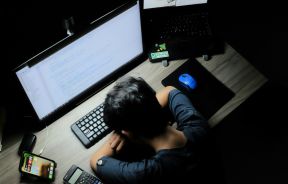
Blue light sleep disruption has become increasingly common as people spend more time using digital devices during the evening. Screen light exposure from smartphones, tablets, laptops, and televisions can interfere with the body's natural sleep cycle by sending signals that mimic daylight.
The human body relies on a carefully regulated circadian rhythm to determine when to sleep and wake. When blue light exposure occurs late at night, melatonin suppression can delay the body's natural sleep timing. Over time, this shift in the sleep cycle can reduce sleep quality and leave people feeling less rested the next day.
How Blue Light Sleep Disruption Affects Melatonin
Blue light sleep disruption directly affects the body's production of melatonin, the hormone responsible for signaling that it is time to sleep. Melatonin levels normally rise after sunset as the body prepares for rest, helping regulate the sleep cycle. However, screen light exposure during the evening can interfere with this process by sending signals to the brain that it is still daytime.
Blue wavelengths in the 460–480 nanometer range activate specialized retinal cells that communicate with the brain's internal clock. According to the National Sleep Foundation, exposure to blue light in the evening can reduce melatonin production and delay sleep timing, making it harder to fall asleep and maintain consistent circadian rhythms.
Devices Cause Blue Light Sleep Disruption
Modern digital devices are among the most common causes of blue light sleep disruption. Smartphones, tablets, laptops, and LED televisions emit concentrated blue wavelengths that stimulate the brain's wakefulness signals. Because these devices are usually used close to the eyes, the intensity of screen light exposure can strongly affect the sleep cycle.
The brightness and color spectrum of many screens are designed to improve visual clarity, which increases blue light output. According to the Harvard Medical School Division of Sleep Medicine, blue light exposure at night can shift circadian rhythms and suppress melatonin more strongly than many other types of visible light.
Reduce Blue Light Sleep Disruption Naturally
Reducing blue light sleep disruption often begins with adjusting evening habits and limiting screen light exposure before bedtime. Many modern devices now include built-in blue light filters that reduce short-wavelength light after sunset. These settings shift screen colors toward warmer tones that are less likely to suppress melatonin.
Another effective strategy is increasing exposure to natural light during the day while reducing bright artificial light at night. According to the National Institutes of Health, managing light exposure patterns helps regulate circadian rhythm effects and maintain a healthy sleep cycle.
Timing and Behavioral Countermeasures
Blue light sleep disruption can be reduced by adopting consistent daily habits that support a healthy sleep cycle. Simple changes to evening routines and lighting can limit screen light exposure and help maintain natural circadian rhythm effects. These habits allow the body to produce melatonin at the right time and prepare for restful sleep.
- Adjust Evening Lighting – Use warm-toned lights instead of cool white LEDs to reduce exposure to blue wavelengths that can interfere with melatonin production.
- Create a Screen-Free Period – Limiting screen light exposure at least one hour before bedtime allows the brain to shift into a relaxed state.
- Relaxing Pre-Sleep Activities – Reading printed books, stretching, or practicing relaxation exercises can help the body prepare for sleep naturally.
- Consistent Sleep Schedule – Going to bed and waking up at the same time daily strengthens circadian rhythm effects and helps stabilize the sleep cycle over time.
Restore Your Sleep Cycle by Reducing Blue Light Exposure
Blue light sleep disruption highlights how modern technology can influence natural biological rhythms. Screen light exposure during the evening can interfere with melatonin production, shift circadian rhythm effects, and delay the sleep cycle.
Reducing blue light exposure before bedtime and maintaining consistent sleep habits can help restore healthier sleep patterns. By balancing technology use with better lighting choices and daily routines, people can protect their sleep cycle and support long-term rest and recovery.
Frequently Asked Questions
1. What is blue light sleep disruption?
Blue light sleep disruption occurs when exposure to blue wavelengths interferes with the body's natural sleep cycle. This type of light suppresses melatonin production, which delays the body's signal to sleep. Digital screens such as phones, tablets, and televisions are common sources. Reducing screen exposure at night can help improve sleep quality.
2. How does blue light affect the sleep cycle?
Blue light affects the sleep cycle by influencing the body's circadian rhythm. When the brain detects blue wavelengths, it interprets them as daylight signals. This suppresses melatonin and increases alertness, making it harder to fall asleep. Over time, frequent exposure may shift sleep patterns later at night.
3. Are smartphones the biggest source of blue light?
Smartphones are one of the most common sources of blue light because people often use them close to their eyes. Tablets, laptops, televisions, and LED lighting also emit blue wavelengths. The effect becomes stronger when screens are used in dark environments. Managing screen brightness and using filters can help reduce exposure.
4. How can I reduce blue light exposure before sleep?
You can reduce blue light exposure by limiting screen time before bedtime. Enabling night mode or blue light filter settings on devices also helps. Using warm lighting in the evening and avoiding bright LED lights can support melatonin production. Getting natural sunlight during the morning can further stabilize the sleep cycle.
Published by Medicaldaily.com


