


How Diet Influences Your Lifespan: Lifespan Foods and Healthy Eating for Longer Life
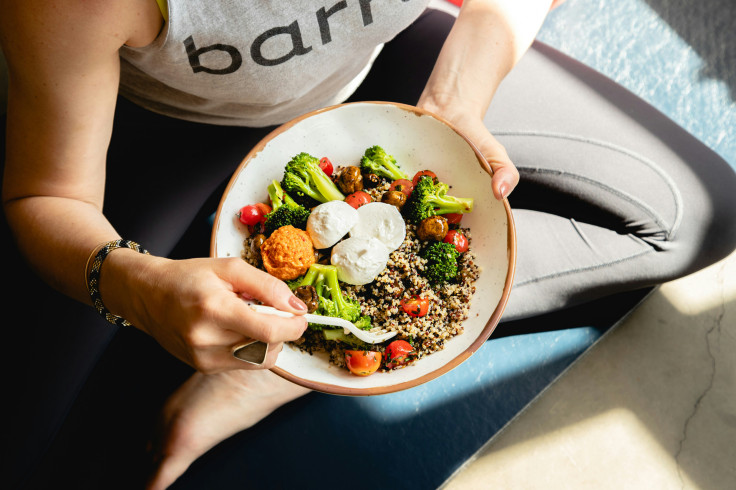
Diet is one of the few longevity factors fully within human control. While genetics shape baseline lifespan, daily food choices influence how quickly the body ages at the cellular level. Researchers studying centenarians consistently find shared dietary patterns that protect metabolism, reduce inflammation, and support long-term resilience. These findings position nutrition as a central driver of healthy aging rather than a secondary lifestyle factor.
A longevity diet focuses on lifespan foods that regulate energy use, cellular repair, and oxidative stress. Healthy eating aging strategies emphasize food quality, timing, and moderation rather than strict restriction. Together, these elements form dietary patterns that extend not just years lived, but years lived well.
Longevity Diet Patterns That Influence Lifespan and Cellular Aging
Longevity diet research shows that traditional eating patterns strongly shape how the body ages at the cellular level. Rather than focusing on restriction alone, these diets emphasize food quality and metabolic efficiency. Lifespan foods rich in antioxidants and healthy fats help regulate energy use and reduce biological stress. According to research from the National Institute on Aging, nutrition plays a direct role in slowing aging mechanisms linked to chronic disease.
- Mediterranean and Okinawan longevity diet patterns: These traditional diets emphasize polyphenol-rich foods, fiber, and healthy fats that act as caloric restriction mimetics, activating sirtuin pathways and reducing all-cause mortality by about 25%.
- Healthy eating, aging and telomere protection: Omega-3 fatty acids from wild fish and plant sources lower oxidative stress that shortens telomeres, helping preserve immune function and cellular stability.
- Intermittent fasting within a longevity diet: Structured fasting periods increase autophagy, allowing cells to clear senescent components and delay immune system decline.
- Reduced processed food intake for metabolic health: Diets low in ultra-processed foods support better insulin sensitivity, lower inflammation, and slower biological aging.
What Foods Increase Lifespan Through Healthy Eating Aging
Specific lifespan foods consistently appear in diets associated with longer life expectancy. These foods influence inflammation, vascular health, and oxidative balance, all of which are central to healthy eating aging. Rather than acting in isolation, they work together to support cellular protection. Based on a study conducted by Harvard Medical School, food quality is a stronger predictor of longevity than calorie counting alone.
- Extra virgin olive oil as a core longevity diet fat: Oleocanthal inhibits COX-2 enzymes, significantly reducing chronic inflammation while supporting cardiovascular health.
- Cruciferous vegetables for detoxification: Broccoli, kale, and cabbage activate the Nrf2 pathway, improving the body's ability to neutralize carcinogens and environmental toxins.
- Berries as vascular-protective lifespan foods: Anthocyanins preserve nitric oxide availability, improving endothelial function and blood flow.
- Nuts for metabolic and arterial protection: Regular nut consumption reduces LDL oxidation and plaque formation, lowering cardiovascular disease risk.
Best Diets for Longevity According to Science and Lifespan Foods
Dietary patterns associated with longevity consistently favor whole, plant-forward eating. These approaches reduce disease risk while supporting metabolic and cellular resilience. Healthy eating aging research also emphasizes cultural diets where longevity occurs naturally, not through extreme interventions. According to research published by the World Health Organization, diet quality is a key global factor influencing lifespan and healthy aging.
- Plant-based longevity diets and cardiovascular health: Meta-analyses show that predominantly plant-based eating reduces cardiovascular risk by approximately 12% through improved lipid profiles and insulin sensitivity.
- Blue Zones and whole-food lifespan foods: Populations with the highest longevity consume about 95% of calories from whole plant foods, including legumes, vegetables, and tubers.
- Okinawan dietary staples and gut health: Sweet potatoes and fermented foods support beneficial bacteria such as Akkermansia muciniphila, aiding metabolic regulation.
- Intermittent fasting as a healthy eating aging strategy: Patterns like 16:8 raise NAD+ levels, activating DNA repair enzymes essential for cellular longevity.
How Calories Affect Aging in a Longevity Diet
Healthy eating aging strategies extend beyond food choice to calorie balance and timing. Moderate caloric restriction of around 10–20% has been shown to reduce metabolic stress and slow mTOR signaling, a pathway associated with accelerated aging. While extreme restriction is unsustainable, modest reductions improve insulin sensitivity and reduce glycation end-products linked to tissue damage.
Lifespan foods also interact with circadian biology. Front-loading protein earlier in the day supports muscle maintenance, while limiting late-night carbohydrates helps regulate insulin and nighttime cellular repair. Methionine restriction, common in plant-based longevity diets, activates FGF21 signaling and improves metabolic flexibility. Researchers suggest that cycling plant protein intake may mimic some benefits of intermittent fasting without full calorie restriction.
Conclusion
A longevity diet built around lifespan foods and healthy eating aging principles reshapes how the body responds to time. Nutrition influences inflammation, DNA repair, metabolic efficiency, and immune resilience, extending healthspan beyond genetic limitations. These effects accumulate gradually, making consistent dietary habits more powerful than short-term interventions.
Research-backed eating patterns demonstrate that food functions as a biological signal, not just fuel. By aligning daily nutrition with longevity mechanisms, individuals can slow aging processes and improve quality of life well into older age.
Frequently Asked Questions
1. What is the best longevity diet according to research?
There is no single universal longevity diet, but Mediterranean and Okinawan patterns are strongly supported by evidence. These diets emphasize whole plant foods, healthy fats, and minimal processing. They consistently reduce chronic disease risk. Long-term adherence matters more than strict rules.
2. Do lifespan foods really extend life or just improve health?
Lifespan foods improve both lifespan and healthspan. They reduce inflammation, improve metabolic markers, and support cellular repair. These effects lower disease risk that shortens life. Healthier aging often translates into longer life expectancy.
3. Is intermittent fasting necessary for healthy eating and aging?
Intermittent fasting is beneficial but not required. Similar effects can be achieved through calorie awareness, meal timing, and nutrient-dense foods. The key factor is reducing metabolic overload. Consistency is more important than fasting duration.
4. Can diet overcome genetic aging risks?
Diet cannot eliminate genetic risk, but it can significantly modify outcomes. Healthy eating aging patterns influence gene expression through epigenetic mechanisms. This allows favorable genes to activate while suppressing harmful pathways. Nutrition remains one of the most powerful aging modifiers available.
Published by Medicaldaily.com


