





How to Prevent Hypothermia This Winter: Key Symptoms, Risks, and Cold-Weather Safety
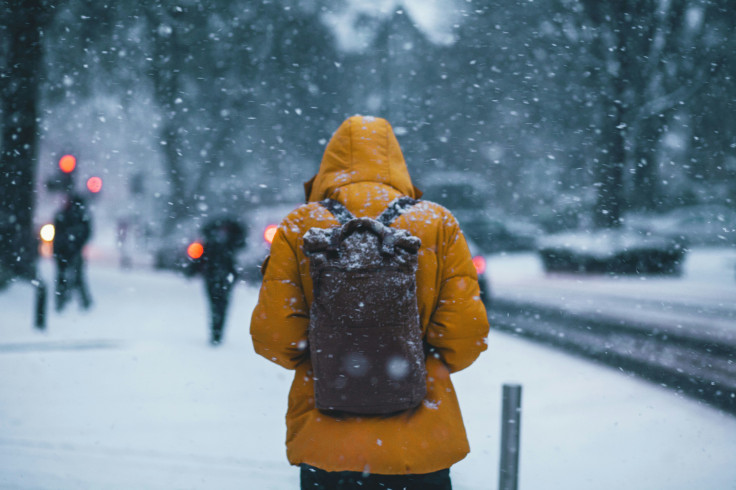
Cold weather places real strain on the human body, especially when wind, moisture, and low temperatures combine. Hypothermia begins quietly, often before people realize they are in danger, as the body loses heat faster than it can produce it. Judgment fades early, making risky decisions more likely at the worst possible time.
Prevent hypothermia by understanding how heat loss works and why winter conditions are so unforgiving. Wet clothing accelerates heat loss dramatically, while alcohol and fatigue interfere with the body's ability to respond. Knowing what to watch for and how to prepare turns winter from a hidden threat into a manageable challenge.
What Is Hypothermia, How It Happens, and When Risk Is Highest
Hypothermia is a dangerous condition that occurs when the body loses heat faster than it can produce it, causing core temperature to fall below 95°F. It develops through prolonged exposure to cold air, wind, rain, or snow, especially when clothing is wet or inadequate. As body heat drops, the brain and muscles slow down, impairing judgment, coordination, and the ability to generate warmth through shivering.
If hypothermia is not prevented, heat loss continues until vital organs are affected, raising the risk of irregular heart rhythms, loss of consciousness, and death. Hypothermia most often occurs during late fall and winter, but it can also develop in early spring or at high elevations where temperatures drop suddenly. Storms, cold water exposure, and nighttime conditions increase danger, making preparation essential even outside peak winter months.
Hypothermia Symptoms to Spot Early
Preventing hypothermia starts with recognizing early warning signs before core temperature drops too far. Mild hypothermia often appears as intense shivering, numb fingers, and slowed speech, reflecting the body's struggle to conserve heat. As temperature continues to fall, coordination and memory suffer, making self-rescue harder.
According to the Centers for Disease Control and Prevention (CDC), moderate to severe hypothermia can cause confusion, slowed pulse, rigid muscles, and loss of consciousness once body temperature falls below 95°F. In extreme cases, paradoxical undressing and heart rhythm disturbances occur, greatly increasing fatal risk. Spotting these symptoms early is critical for winter hypothermia safety and rapid intervention.
High-Risk Groups for Winter Hypothermia Safety
Hypothermia prevention requires special attention to people who lose heat faster or cannot respond effectively. Infants and young children have a larger surface area relative to body mass, allowing heat to escape rapidly. Older adults often have reduced muscle mass and weaker shivering responses, masking early symptoms.
Based on information from the National Institute on Aging, chronic conditions such as diabetes, heart disease, and thyroid disorders increase vulnerability by impairing circulation and temperature regulation. Certain medications blunt the body's stress response, while outdoor workers and unhoused individuals face prolonged exposure. Identifying these risks strengthens winter hypothermia safety planning.
Layering and Gear for Hypothermia Prevention
Hypothermia prevention relies heavily on proper clothing systems that trap heat and manage moisture. Layering works by creating pockets of warm air while allowing sweat to escape before it chills the body. A synthetic or wool base layer keeps skin dry, an insulating mid-layer retains warmth, and a windproof shell blocks convective heat loss.
Key winter hypothermia safety gear includes insulated boots that allow circulation, wool socks that stay warm when damp, and mittens that preserve finger heat better than gloves. Covering the head and neck is critical, as significant heat escapes there. Emergency kits with reflective blankets and dry clothing add a vital margin of safety.
Rewarming Protocols and First Aid
Prevent hypothermia does not end once cold exposure stops; rewarming must be done carefully. The priority is moving the person to shelter, removing wet clothing, and insulating the core areas first. Sudden or aggressive warming of arms and legs can worsen internal cooling through a process known as afterdrop.
According to the Mayo Clinic, mild hypothermia can be treated with warm, sweet drinks and dry blankets, while moderate to severe cases require medical care and monitored rewarming. Hot baths and alcohol are discouraged due to shock and heart rhythm risks. Proper rewarming protects the heart and improves survival.
Staying Ahead of Cold-Weather Danger
Winter hypothermia safety depends on preparation, awareness, and timely action. Recognizing symptoms early, protecting vulnerable groups, and dressing for conditions all reduce risk before exposure becomes dangerous. Small decisions, such as staying dry and fueled, have outsized effects in cold environments.
Mastering prevent hypothermia strategies, hypothermia prevention habits, and winter hypothermia safety planning helps turn winter from a threat into a season you can navigate confidently. With the right knowledge, cold weather no longer needs to cost health or life.
Frequently Asked Questions
1. At what temperature does hypothermia begin?
Hypothermia begins when core body temperature drops below 95°F. This can happen even above freezing if wind or moisture is present. Cold rain accelerates heat loss quickly. Temperature alone does not determine risk.
2. Can hypothermia happen indoors?
Yes, hypothermia can occur indoors, especially in poorly heated homes. Older adults are particularly vulnerable. Prolonged exposure to cool indoor temperatures can slowly lower core body heat. Insufficient clothing increases risk.
3. Does alcohol help keep you warm in winter?
Alcohol creates a false sensation of warmth by dilating blood vessels. This actually increases heat loss from the skin. It also dulls awareness of danger signs. Alcohol significantly raises hypothermia risk.
4. What should be avoided when rewarming someone?
Avoid rubbing extremities or using very hot water. These actions can worsen internal cooling and stress the heart. Alcohol and caffeine should not be given. Gentle, gradual core warming is safest.
Published by Medicaldaily.com


