





Hydration Benefits: How Water, Electrolyte Balance, and Dehydration Symptoms Affect Energy and Performance
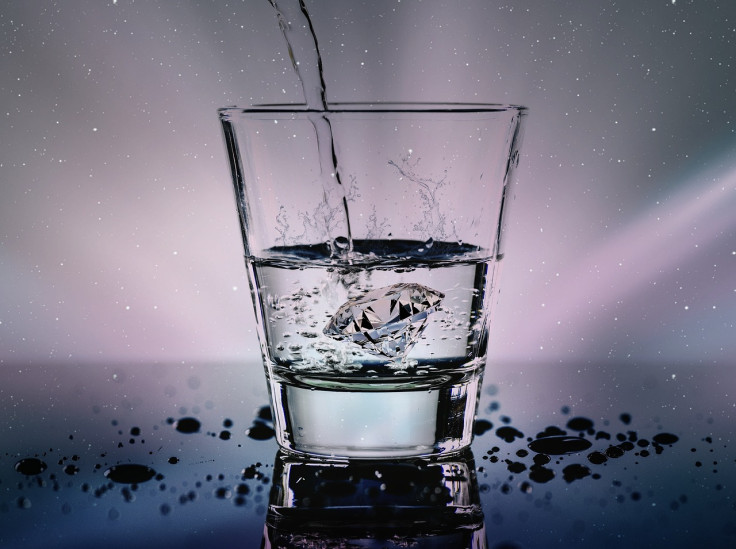
Hydration plays a fundamental role in nearly every physiological process within the body. Despite often being overlooked, proper hydration is essential to maintaining energy, supporting physical, electrolyte balance, and mental performance, and sustaining overall wellness.
Understanding the science behind hydration helps explain why even mild dehydration can have measurable effects on focus, endurance, and recovery.
What Does Hydration Do for the Body?
Hydration influences how efficiently the body functions at the cellular level. When water intake is adequate, nutrients move freely through the bloodstream, oxygen circulates effectively, and waste products are eliminated from cells. This balance supports energy production since water participates in almost all metabolic reactions that convert food into usable energy.
In addition, hydration is directly linked to brain function. The brain is approximately 75% water, meaning even slight dehydration can lead to reduced concentration, fatigue, or irritability. Proper hydration helps maintain cognitive sharpness, ensuring that energy is sustained throughout the day, whether during work, exercise, or mental tasks.
Physically, water regulates temperature through sweating and prevents overheating during exertion. It lubricates joints, cushions organs, and supports muscle contraction, all of which matter significantly for athletic performance and daily activity.
Key Hydration Benefits
The hydration benefits extend far beyond simply quenching thirst. Staying adequately hydrated contributes to stronger physical and cognitive performance, as well as long-term health.
- Improved physical endurance and strength. Hydration helps maintain blood volume, ensuring oxygen and nutrients reach muscles efficiently. Athletes and active individuals perform better and recover faster when hydration is maintained.
- Enhanced mental clarity. Dehydration, even as low as 1–2% body weight loss, can reduce alertness and reaction time. Sufficient hydration keeps cognitive processes sharp and fatigue at bay.
- Support for cardiovascular and kidney health. Proper water intake reduces strain on the heart and supports the kidneys in filtering waste from the bloodstream.
- Temperature regulation. Water plays a vital role in maintaining body temperature through sweating and evaporation, especially in hot climates or during intense activity.
- Joint lubrication and mobility. Synovial fluid, which cushions joints, depends on hydration. A well-hydrated body experiences fewer discomforts during movement.
These benefits highlight why water is not just a convenience, it's a requirement for optimal energy levels and well-being.
Common Dehydration Symptoms
Recognizing dehydration symptoms early can prevent fatigue and impaired performance. Dehydration occurs when fluid loss exceeds intake, often through sweating, breathing, or illness.
Early signs may include:
- Dry mouth and thirst
- Headache and lightheadedness
- Fatigue or sluggishness
- Diminished concentration
As dehydration progresses, more serious symptoms appear: rapid heartbeat, confusion, low urine output, or dark-colored urine. In severe cases, dehydration can lead to heat exhaustion, kidney strain, or even heatstroke in extreme conditions, according to Medline Plus.
Even mild dehydration can reduce alertness and muscle coordination, a concern for both athletes and individuals with demanding jobs. Understanding these signs allows for early corrective actions, such as increasing water and electrolyte intake.
Why Electrolyte Balance Matters
While water is vital, electrolyte balance plays an equally important role in hydration and energy regulation. Electrolytes, such as sodium, potassium, magnesium, and calcium, carry electrical charges necessary for nerve signaling, muscle contraction, and fluid distribution.
When electrolytes are depleted through sweat or illness, the body's ability to retain water decreases. This imbalance often results in fatigue, cramps, or dizziness, even if water intake seems adequate.
Sodium helps retain fluids and regulate blood pressure. Potassium ensures proper muscle contraction and nerve signals. Magnesium contributes to energy production, while calcium stabilizes muscle performance.
Consuming water alone during prolonged activity may dilute electrolytes, hence the importance of electrolyte-rich drinks or foods such as bananas, coconut water, nuts, and leafy greens.
Maintaining electrolyte balance prevents overhydration (a rare condition known as hyponatremia) as well as dehydration, thereby ensuring the body performs efficiently under various conditions.
How Much Water Does the Body Need Daily?
The question of how much water to drink daily has no universal answer. Fluid needs vary depending on factors such as age, weight, environment, activity level, and health condition.
Health organizations generally recommend around 2.7 liters for women and 3.7 liters for men per day, including fluids from food. However, these are guidelines, not strict rules. Individuals engaging in heavy exercise, living in humid climates, or consuming high-protein diets may require more.
A practical method to gauge hydration is by observing urine color, pale yellow indicates good hydration, while dark yellow or amber suggests the need for more fluids. Additionally, thirst is an accurate signal for most people, though older adults and children may not always recognize it promptly, as per Harvard Health.
Contrary to popular belief, water requirements do not always have to be met through plain water alone. Fruits, vegetables, soups, teas, and milk also contribute to total hydration.
How to Stay Hydrated for Better Performance
Effective hydration strategies help sustain energy levels, prevent dehydration, and enhance both physical and mental output.
1. Hydrate before, during, and after activity.
Pre-hydration ensures the body starts any physical activity already well-hydrated. Drinking small amounts at regular intervals during exercise replaces what's lost through sweat. Post-exercise rehydration supports recovery by replenishing fluids and electrolytes.
2. Include hydrating foods in the diet.
Many whole foods provide both water and essential nutrients. Watermelon, cucumber, oranges, strawberries, and lettuce are examples of water-rich foods that hydrate naturally.
3. Balance water and electrolytes.
Intense workouts or hot weather increase sodium and potassium losses. Rehydration drinks containing electrolytes, coconut water, or balanced sports beverages help replace what's lost and maintain optimal performance.
4. Limit dehydrating substances.
Caffeine and alcohol increase fluid loss through urination. While moderate coffee intake is acceptable, excessive consumption should be balanced with additional water.
5. Establish a consistent hydration habit.
Rather than drinking large amounts occasionally, consistent intake throughout the day is more effective. Carrying a reusable water bottle serves as a reminder to stay hydrated, especially during travel or long work hours.
Cultivating these habits allows individuals to sustain focus, endurance, and resilience daily.
The Science Linking Hydration to Energy
Hydration fuels the body's natural energy systems. When cells are deprived of adequate water, they must work harder to perform basic functions, increasing fatigue. Conversely, appropriately hydrated cells operate efficiently, producing energy through optimized metabolic processes.
Studies show that dehydration can affect mood and cognition similarly to sleep deprivation. Energy levels drop not because of a lack of calories, but due to reduced efficiency in oxygen and nutrient transport. Over time, this imbalance can diminish motivation and productivity, especially in high-demand lifestyles.
For athletes, even a 2% loss of body weight from dehydration can significantly impair speed, power, and reaction time. For office workers or students, it may result in diminished focus and mental fatigue. The underlying principle remains the same: hydration sustains the body's energy economy.
Building a Sustainable Hydration Routine
Hydration should be approached as a daily practice rather than a reactive measure. A sustainable routine may include:
- Drinking a glass of water upon waking.
- Scheduling reminders throughout the day.
- Consuming hydrating foods during meals.
- Adjusting fluid intake based on physical activity and weather.
Apps and smart bottles can also help monitor intake for those needing structured tracking. Over time, these small adjustments lead to sustained energy, improved performance, and long-term wellness.
Hydration underpins every process that produces energy and supports performance. From stabilizing temperature and cognitive function to maintaining electrolyte balance, water ensures that the body's systems work in harmony.
Ignoring fluid needs can lead to dehydration symptoms such as fatigue, dizziness, and poor focus, each undermining productivity and vitality.
Recognizing the far-reaching hydration benefits reframes water not as an afterthought but as a cornerstone of optimal living. Whether for athletes, professionals, or anyone seeking improved well-being, consistent hydration stands as the simplest yet most effective foundation of energy and performance.
Frequently Asked Questions
1. Can drinking too much water be harmful?
Yes. Overhydration can cause electrolyte imbalance, leading to low sodium levels, headaches, or nausea. Balance water intake with electrolytes, especially during intense exercise.
2. Do caffeinated drinks count toward daily hydration?
They do, but in moderation. Coffee and tea add to fluid intake but can also increase fluid loss. Combine them with water to maximize hydration benefits and prevent dehydration symptoms.
3. How does aging affect hydration needs?
Older adults often feel less thirsty and may face stronger dehydration risks. Regular, small water intake and hydrating foods help maintain proper electrolyte balance.
4. Are hydration supplements necessary for daily use?
Not usually. Most people get enough fluids from water and food. Electrolyte drinks are mainly for athletes, hot climates, or post-illness recovery.
Published by Medicaldaily.com


