


Mitochondrial Health and Aging: How Cell Energy Drives Modern Anti-Aging Science
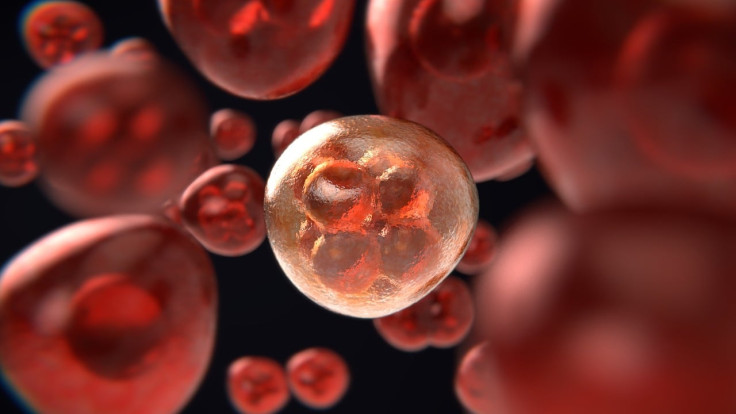
The mitochondria sits at the center of how the body produces energy, adapts to stress, and ages over time, which makes them a key focus in discussions of mitochondrial health, cell energy, and anti-aging science. This article explores what mitochondria do, how they change with age, and which science-backed habits appear most supportive of long-term vitality.
What Are Mitochondria and Why Do They Matter?
Mitochondria are tiny structures inside cells that generate most of the body's usable energy in the form of adenosine triphosphate (ATP). They are often described as cellular "powerhouses" because they convert the energy from nutrients into ATP through a process called oxidative phosphorylation.
Beyond energy production, mitochondria help regulate metabolism, control programmed cell death (apoptosis), and participate in cell signaling pathways that influence inflammation, stress responses, and tissue repair. This broader role means mitochondrial health affects not only cell energy but also how organs function and adapt across the lifespan.
How Mitochondria Shape the Aging Process
One influential idea in anti-aging science is the mitochondrial theory of aging, which proposes that gradual mitochondrial decline is a major driver of age-related changes in tissues and organs. Over time, mitochondria tend to become less efficient at producing ATP, while generating more reactive oxygen species (ROS), chemically reactive molecules that can damage cellular components.
As mitochondrial efficiency drops and oxidative damage mounts, cells may struggle to meet their energy demands, and tissues can become more vulnerable to stress and disease. This contributes to hallmark features of aging, such as fatigue, reduced physical performance, slower tissue repair, and higher risk of chronic conditions affecting the heart, brain, muscles, and metabolism.
Mitochondrial DNA Damage and Oxidative Stress
Mitochondria have their own small genome, mitochondrial DNA (mtDNA), which sits close to the respiratory chain where most ROS are generated. Unlike nuclear DNA, mtDNA has relatively limited protective packaging and repair capacity. As a result, mtDNA is particularly susceptible to oxidative damage and mutations.
When mtDNA accumulates damage, key proteins in the respiratory chain can become faulty, lowering ATP output and further increasing ROS production. This creates a vicious cycle: damaged mitochondria leak more ROS, which then damages mitochondria even more, gradually undermining mitochondrial health and cell energy in aging tissues.
Mitochondrial Dysfunction and Chronic Inflammation
Damaged or dysfunctional mitochondria can also drive chronic low-grade inflammation, often called "inflammaging," according to the World Health Organization. Under stress, mitochondria may release fragments of mtDNA or other components into the cell or bloodstream, where they can act as danger signals for the immune system.
Persistent mitochondrial distress can therefore feed inflammatory pathways that are linked with cardiovascular disease, type 2 diabetes, neurodegenerative disorders, and frailty in older adults. This connection between mitochondrial dysfunction and inflammation is a major focus of modern anti-aging science and therapeutic research.
How Mitochondria Produce Cell Energy
Mitochondria support cell energy primarily through a sequence of reactions that break down nutrients and transfer electrons along the electron transport chain in the inner mitochondrial membrane. As electrons move through this chain, they create a proton gradient that powers ATP synthase, the enzyme that produces ATP.
This system allows cells to extract far more energy from nutrients than they could through simple fermentation alone. In energy-hungry tissues, such as skeletal muscle, heart muscle, and brain, healthy mitochondria are essential for maintaining function, especially during exertion or stress.
Why Energy Production Declines With Age
With aging, several processes can reduce mitochondrial capacity. The respiratory chain may become less efficient, leading to lower ATP output per molecule of nutrient consumed. Mitochondrial biogenesis, the creation of new mitochondria, often slows, so cells may have fewer healthy mitochondria available.
At the same time, the balance of mitochondrial fusion and fission can be disrupted, and mitophagy (the selective removal of damaged mitochondria) can become less effective. When damaged mitochondria are not removed and replaced, they accumulate, further weakening cell energy production and increasing oxidative stress.
Mitochondrial Health in Anti-Aging Science
Because mitochondria influence both energy and cell survival, many strands of anti-aging science focus on preserving or restoring mitochondrial function. Researchers are investigating how interventions that support mitochondrial quality control, such as enhancing mitophagy, improving redox balance, or stimulating mitochondrial biogenesis, might extend healthspan, the period of life spent in good health.
These strategies do not claim to stop aging, but they aim to slow functional decline and delay the onset of age-related diseases by stabilizing mitochondrial health. In animal and cellular models, targeting mitochondria has already shown promise in improving resilience to metabolic, cardiovascular, and neurodegenerative challenges, as per Harvard Health.
Lifestyle Habits That Support Mitochondrial Health
Several everyday habits appear to support mitochondria and cell energy:
Regular physical activity
Aerobic exercise and resistance training have been shown to increase mitochondrial content and improve mitochondrial function in skeletal muscle. This enhanced capacity can support better endurance, strength, and glucose handling, which are important for healthy aging.
Nutritious dietary patterns
Diets rich in vegetables, fruits, whole grains, legumes, healthy fats, and adequate protein provide the micronutrients and antioxidants needed for mitochondrial enzymes and membranes to function properly. Certain patterns, such as Mediterranean-style eating, are associated with better metabolic and cardiovascular health, which are closely tied to mitochondrial function.
Caloric and nutrient timing strategies
Approaches like moderate caloric restriction or intermittent fasting, when suitable for the individual and medically supervised if needed, may activate cellular pathways (including AMPK and sirtuins) that enhance mitochondrial efficiency, stress resistance, and mitophagy. These pathways are actively studied in anti-aging science.
Sleep, stress management, and environment
Adequate sleep, stress reduction techniques, and minimizing exposure to tobacco smoke and other toxins may help limit mitochondrial damage by lowering oxidative stress and improving recovery.
Emerging Mitochondria-Targeted Therapies
Beyond lifestyle, researchers are exploring therapies that more directly target mitochondria. Experimental approaches include:
- Compounds designed to localize within mitochondria and neutralize ROS, aiming to reduce oxidative damage while preserving necessary signaling.
- Agents that promote mitophagy or mitochondrial biogenesis, potentially rejuvenating the mitochondrial network inside cells.
- Mitotherapy, an emerging approach in preclinical models where healthy mitochondria are transferred into damaged tissues to restore ATP production and reduce oxidative stress; in animals, this has improved certain measures of physical and cognitive performance.
Most of these interventions remain in experimental or early clinical stages, and their long-term safety and effectiveness in humans are still being evaluated.
Everyday Energy, Mobility, and Brain Function
Mitochondrial health shows up in daily life most obviously through energy levels, mobility, and cognitive performance. When mitochondria work well, cells can meet their energy demands, supporting physical activity, clear thinking, and a stable mood. When they falter, fatigue and performance declines are common.
Mitochondria, Muscle Strength, and Mobility
Skeletal muscle requires rapid ATP production for contraction, especially during exercise or demanding daily tasks. Age-related declines in mitochondrial capacity in muscle have been linked with lower endurance, slower walking speed, and greater risk of mobility limitations.
As mitochondria in muscle become less efficient, individuals may experience more fatigue and muscle weakness, which can contribute to sarcopenia (loss of muscle mass and strength). Targeted exercise and other interventions that support mitochondrial health can help preserve mobility and independence later in life.
Mitochondria, Brain Health, and Mood
Neurons are among the most energy-demanding cells in the body, relying heavily on continuous ATP supply for signaling, ion balance, and synaptic plasticity. Mitochondrial dysfunction in the brain has been associated with cognitive decline and neurodegenerative diseases in numerous experimental and clinical studies.
Changes in mitochondrial bioenergetics and redox balance may also influence neurotransmitter systems and stress responses, potentially affecting mood and resilience. In laboratory models, interventions that improve mitochondrial function can sometimes enhance learning, memory, or mood-related behaviors, underscoring the tight link between mitochondrial health, cognition, and emotional balance.
Mitochondria, Healthy Aging, and Lifelong Vitality
As interest in anti-aging science grows, mitochondria continue to stand out as central regulators of how the body uses energy, responds to stress, and transitions through the aging process. Supporting mitochondrial health is not about chasing a single miracle intervention, but about maintaining the cellular foundations that allow tissues to perform well over time.
For most people, the most practical and evidence-aligned approach remains consistent: combine regular movement, nutrient-dense eating, sufficient sleep, and effective stress management, while avoiding harmful exposures. These strategies help protect mitochondria, sustain cell energy, and promote a longer healthspan, enhancing not just how long life lasts, but how well it is lived.
Frequently Asked Questions
1. Can someone measure their mitochondrial health directly?
Direct clinical measurement is difficult, as it often requires specialized tests or tissue samples rather than standard blood work. Researchers mainly use indirect markers like exercise capacity or advanced lab assays in studies.
2. Is there an ideal diet specifically for mitochondrial support?
No single diet is proven "best," but patterns rich in whole plant foods, healthy fats, and adequate protein provide nutrients and antioxidants that support mitochondrial function.
3. How quickly can lifestyle changes improve mitochondria and energy levels?
Energy levels may improve within weeks of better sleep, diet, and activity, while deeper changes in mitochondrial number and quality typically need consistent habits over months.
4. Are mitochondrial-support supplements safe for everyone to try?
Safety depends on the specific product, dose, and a person's health status, so professional guidance is recommended before starting mitochondrial-focused supplements.
Published by Medicaldaily.com


