


The Science of Autophagy: Unlocking Fasting, Longevity, and Cellular Repair
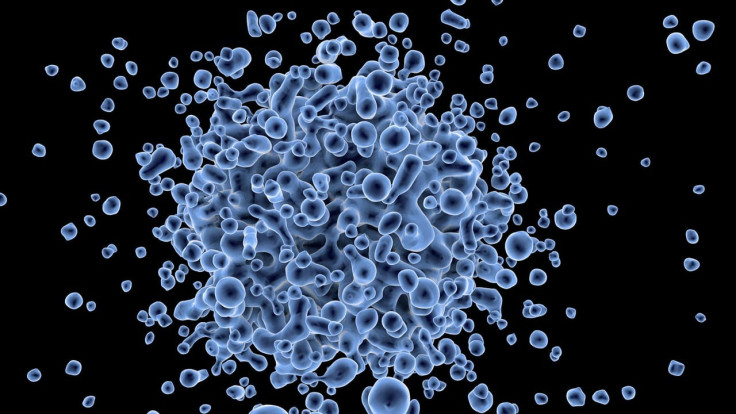
Autophagy, derived from the Greek words for "self" (auto) and "to eat" (phagein), refers to the body's natural process of cleaning out damaged cells, recycling their components, and generating new ones. It's a crucial biological response that maintains cellular health and overall balance.
This phenomenon works like the body's internal recycling system. When cells are stressed, old, or lacking nutrients, they begin to break down and reuse degraded proteins and organelles.
By doing so, the body not only maintains efficient cellular function but also reduces the buildup of harmful materials that can lead to disease. Scientists see autophagy as a cornerstone for health maintenance, emphasizing its role in metabolic regulation, immune function, and longevity.
How Does Autophagy Work?
Autophagy acts as a cellular quality control mechanism. The process begins when a cell identifies damaged components, such as broken mitochondria or misfolded proteins, that need removal. These materials are enclosed in a double-membraned structure known as an autophagosome.
Once sealed, the autophagosome fuses with a lysosome, an organelle rich in enzymes, which digests the waste material. The resulting molecules are then reused by the cell to generate energy or to build new structures.
This self-cleansing cycle helps restore normal cell activity and prevents the accumulation of cellular debris that contributes to aging and various diseases.
The process is constantly active at a baseline level, but it can be amplified under stress conditions, such as nutrient deprivation or fasting, a state that often triggers deeper levels of autophagy.
What Are the Benefits of Autophagy?
The autophagy benefits extend across numerous aspects of health, from energy efficiency to protection against disease. One of its primary functions is cellular repair, as the process facilitates the renewal of worn-out or malfunctioning components. This repair system reduces the risk of cellular mutations and supports tissue regeneration.
Autophagy also plays a critical role in limiting inflammation and oxidative stress. By clearing damaged molecules and toxic proteins, it prevents chronic inflammation, a key contributor to conditions like arthritis, cardiovascular disease, and neurodegenerative disorders.
Researchers have also found associations between higher autophagic activity and improved metabolic function, linking it to better blood sugar regulation and weight management.
Through these interconnected effects, autophagy supports long-term resilience, energy balance, and overall vitality. Its natural rhythm underpins the body's ability to maintain internal equilibrium, a factor increasingly recognized in the pursuit of longevity.
Can Fasting Trigger Autophagy?
Fasting is one of the most studied ways to stimulate autophagy. When the body experiences periods of food scarcity, energy reserves fall, prompting cells to look inward for alternative fuel sources. This shift activates autophagy, enabling cells to recycle their internal components for energy and repair, according to Cleveland Clinic.
The timeline for activation varies depending on individual metabolism and fasting duration, but studies suggest that autophagy commonly begins after 16 to 24 hours of fasting and intensifies during extended fasts.
Both intermittent fasting and longer fasting protocols can stimulate the process, although their effects differ in intensity and risk factors.
The connection between fasting longevity and autophagy has become an area of active scientific interest. Research indicates that intermittent nutrient deprivation not only activates cell maintenance pathways but also enhances longevity-related signaling proteins.
These adaptive responses may explain why populations with caloric moderation or fasting routines often show improved metabolic health and extended lifespan indicators.
What Foods or Habits Promote Autophagy Naturally?
While extended fasting can be a powerful trigger, autophagy can also be supported through everyday lifestyle and dietary patterns. Nutrient timing and food composition both play key roles in promoting balanced autophagic activity.
A diet rich in antioxidants, healthy fats, and moderate protein seems to complement autophagic pathways. Polyphenol-rich foods such as green tea, turmeric, blueberries, and olive oil support cellular stress responses that align with autophagy activation.
Similarly, maintaining steady blood sugar levels by limiting processed carbohydrates and sugars can prevent insulin spikes that may inhibit autophagic signaling.
Beyond diet, certain habits are known to stimulate autophagy. Regular exercise, for instance, encourages mild stress at the cellular level, prompting muscle and organ cells to self-repair through autophagy.
Adequate sleep and circadian rhythm alignment are equally important, as many metabolic repair processes, including autophagy, follow daily cycles. Managing stress through mindfulness or gentle activity further helps balance hormonal pathways that can influence cellular renewal.
Is Autophagy Good for Anti-Aging and Longevity?
Many researchers view autophagy as a biological foundation for cellular repair and anti-aging. As the body recycles its damaged parts, it prevents the accumulation of dysfunctional materials that contribute to the aging process. Over time, reduced autophagy can lead to a buildup of cellular waste, impairing the performance of tissues and organs.
By maintaining efficient autophagic activity, cells preserve their structure and energy production. This function supports smoother skin, better muscle function, and improved cognitive clarity, all of which are markers associated with healthy aging, as per the National Institutes of Health.
Studies on animals have demonstrated a link between increased autophagy and extended lifespan, further reinforcing its importance for long-term vitality. While human trials are ongoing, early research suggests that the balance between nutrient intake, environmental stress, and repair mechanisms helps determine aging outcomes.
When Can Autophagy Be Harmful?
Although essential, autophagy must stay in balance. Too much or too little activation can disrupt normal cell function. In some disease contexts, such as cancer, excessive autophagy may allow malignant cells to survive under stress, contributing to tumor growth and resistance to treatment.
Conversely, insufficient autophagy can result in the accumulation of toxic substances, accelerating degenerative diseases.
Maintaining equilibrium is key. The body's internal systems typically regulate autophagic activity efficiently, but extreme or prolonged fasting without guidance can strain metabolism, reduce nutrient stores, or suppress immune response.
Understanding individual health conditions is crucial before deliberately inducing autophagy through dietary restriction or supplements.
How to Safely Boost Autophagy
Supporting autophagy doesn't require strict fasting or complex protocols. Instead, adopting a balanced lifestyle can encourage the body's natural cleaning processes without risk.
- Follow intermittent fasting cautiously: Starting with moderate fasting windows, such as 14–16 hours, allows the body to adapt gradually.
- Incorporate nutrient-rich foods: Emphasize natural antioxidants, omega-3 fatty acids, and minimally processed meals that nurture mitochondrial function.
- Exercise regularly: Both endurance and resistance training can activate autophagy in muscle and metabolic tissues.
- Prioritize recovery: Sleep quality strongly influences cellular repair pathways. Aim for consistent rest and circadian rhythm stability.
- Seek professional advice: Consulting a healthcare provider ensures that fasting or dietary changes align with personal health needs, especially for those managing chronic conditions or on medication.
Balanced activation prevents both deficiency and overactivity, helping the body sustain efficient regeneration over time.
The Ongoing Science of the Body's Natural Renewal
Autophagy remains one of the most fascinating discoveries in modern biology, a built-in system designed to keep the body efficient, resilient, and capable of repair. As research continues, scientists uncover new ways this process influences everything from immune defense to metabolic health.
Understanding how autophagy integrates with lifestyle choices like fasting, nutrition, and exercise provides practical insights into maintaining well-being and supporting cellular repair across the lifespan.
While the desire for longevity often drives interest in this topic, the real promise of autophagy lies in its everyday benefits: sustaining vitality, preventing disease, and allowing the body to clean itself naturally.
Frequently Asked Questions
1. Can coffee or green tea trigger autophagy during fasting?
Yes, plain black coffee and green tea can support autophagy. Their polyphenols help activate mild cellular stress responses, and they don't significantly interfere with fasting when consumed without sugar or milk.
2. Is autophagy the same as apoptosis?
No. Autophagy recycles and repairs parts inside a cell to keep it alive, while apoptosis is the programmed death of a cell that can't be repaired. Both help maintain healthy tissues but serve different roles.
3. Can supplements enhance autophagy without fasting?
Some compounds like spermidine, resveratrol, and curcumin may modestly boost autophagy, but results in humans are limited. Diet, sleep, and exercise remain more effective than supplements alone.
4. Does exercise trigger autophagy differently than fasting?
Yes. Exercise activates autophagy mainly in muscles and the liver, while fasting does so throughout the body. Combining both supports efficient cellular repair and metabolic balance.
Published by Medicaldaily.com


