





Silent Anemia Warning Signs: 13 Overlooked Anemia Symptoms in Women
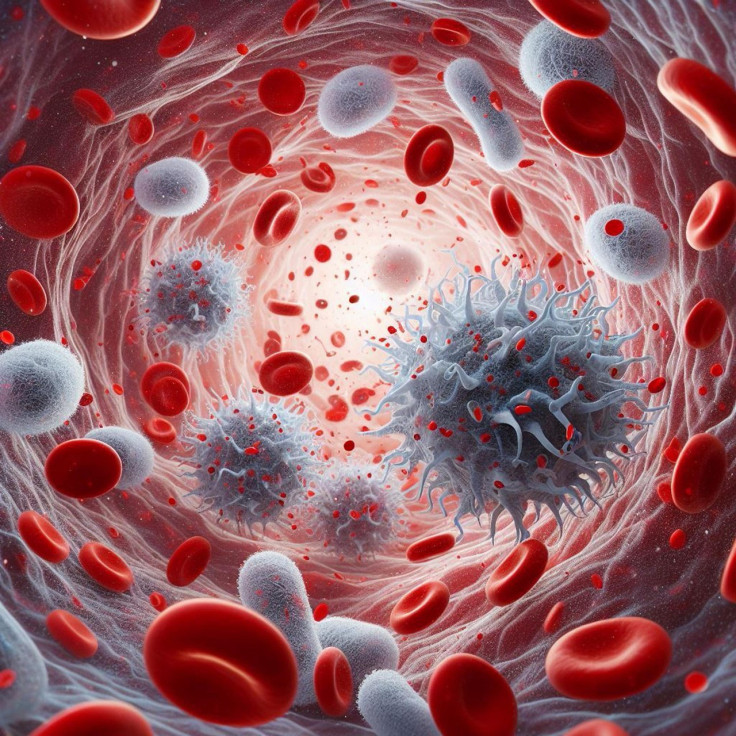
As one of many female fatigue causes, anemia can quietly drain a woman's energy, mood, and quality of life long before it is diagnosed. Many women normalize ongoing exhaustion and other vague discomforts, not realizing these may be important warning signs of low iron and other deficiencies.
What Anemia is and Why Women Are at Risk
Anemia is a condition in which the body does not have enough healthy red blood cells or hemoglobin to carry adequate oxygen to tissues. When cells do not get enough oxygen, organs have to work harder, and a wide range of anemia symptoms can develop, from mild tiredness to serious complications. In women, the most common form is iron deficiency anemia, though vitamin B12 and folate deficiency, chronic disease, and genetic conditions can also play roles.
Women are particularly vulnerable to anemia because of blood loss and hormonal factors across the reproductive years. Heavy menstrual periods, uterine fibroids, endometriosis, pregnancy, postpartum bleeding, and short intervals between pregnancies all increase the risk of depleted iron stores.
Diet patterns such as low red meat intake, vegetarian or vegan diets without careful planning, or eating disorders can further reduce iron and nutrient intake. Digestive issues like celiac disease, inflammatory bowel disease, or chronic acid-suppressing medication use can impair absorption and contribute to low iron signs over time.
Classic Anemia Symptoms That are Easier to Recognize
Some anemia symptoms are widely known and easier to connect with a blood problem. Persistent fatigue, low energy, and a sense of weakness are among the most common. Shortness of breath with activity, such as walking up stairs or carrying groceries, may appear in women who previously handled these tasks comfortably. Pale skin, especially noticeable in the face, lips, and nail beds, can also signal low hemoglobin.
Headaches, dizziness, or feeling lightheaded on standing are additional classic features. Some women experience rapid heartbeat or heart palpitations with minimal exertion because the heart works harder to deliver oxygen.
While these symptoms are important, they can overlap with many other conditions, so they often get attributed to stress, poor sleep, or a busy lifestyle rather than investigated as potential signs of anemia.
Strange Cravings, Taste Changes, and Mouth Problems
Some of the more distinctive low iron signs involve appetite and taste. Pica is a condition in which people crave or chew non-food items. In iron deficiency anemia, a classic example is a powerful urge to chew ice, often throughout the day, according to the World Health Organization.
Some women find themselves constantly crunching ice cubes from drinks or seeking out ice specifically. While wanting a few ice chips occasionally is not necessarily a concern, intense or persistent cravings can be a strong anemia symptom.
The mouth and tongue may also show changes. Recurrent sores at the corners of the lips, a sore or inflamed tongue, or a smooth, swollen tongue surface can indicate nutrient deficiencies. A persistent metallic taste, changes in how foods taste, or reduced enjoyment of meals may accompany these symptoms. These issues are often treated with topical creams or dental products, yet the underlying problem may be low iron or low B vitamins.
Brain Fog, Mood Changes, and Sleep Disruption
Anemia affects not only the body but also the mind. When the brain does not receive enough oxygen, concentration and memory can suffer. Many women report "brain fog," difficulty focusing on work or conversations, or needing to reread material to absorb it. Tasks that once felt manageable can suddenly seem overwhelming or exhausting.
Mood changes are common but easily misattributed. Irritability, low mood, and anxiety may appear or worsen, and some women feel emotionally flat or less motivated. Poor sleep quality or waking up unrefreshed, even after a full night in bed, can compound these problems. Because these features overlap with depression, burnout, and hormonal changes, they often get labeled as purely psychological rather than connected to underlying anemia symptoms.
Overlap with PMS, Thyroid, and Perimenopause
Anemia symptoms often overlap with other common conditions in women, which is one reason they are easy to overlook. Premenstrual syndrome can cause mood swings, bloating, headaches, and fatigue, while heavy periods themselves may both cause and mask anemia. Thyroid disorders also lead to tiredness, weight changes, hair thinning, and feeling cold. Perimenopause introduces hot flashes, sleep disruption, mood shifts, and irregular bleeding.
Because of this overlap, it is common for women and even clinicians to attribute everything to hormones or stress. Yet, anemia can coexist with these issues or even worsen them. Objective testing, rather than assumptions, is essential, as per Harvard Health.
A woman who experiences heavy menstrual bleeding, frequent pregnancies, or restrictive eating patterns, along with low energy and other low iron signs, has particular reason to be checked.
Diagnosis, Tests, and Medical Treatment
When anemia is suspected, a healthcare professional usually orders a complete blood count to measure hemoglobin, hematocrit, and red blood cell indices. Additional tests may include ferritin and other iron studies, vitamin B12 and folate levels, and sometimes tests for inflammation or underlying diseases. These results help determine whether iron deficiency, another nutrient problem, or a chronic condition is responsible.
Treatment depends on the cause and severity. Iron deficiency anemia is often managed with oral iron supplements, taken for several months to replenish stores, along with dietary adjustments. In more severe cases or when absorption is poor, intravenous iron may be recommended.
If heavy menstrual bleeding, gastrointestinal bleeding, or another medical issue is driving the anemia, treating that underlying problem is crucial. Simply taking iron without understanding the cause can delay proper diagnosis and may be unsafe for some conditions.
Lifestyle, Diet, and Prevention Strategies
Diet plays a key role in preventing and improving low iron signs. Iron-rich foods include lean red meat, poultry, fish, beans, lentils, tofu, dark leafy greens, and fortified cereals. Pairing plant-based iron sources with vitamin C–rich foods, such as citrus fruits or bell peppers, helps enhance absorption. On the other hand, large amounts of tea, coffee, and some calcium-rich products taken with iron-containing meals can interfere with uptake.
Women with a history of heavy periods, pregnancies close together, or restrictive diets benefit from regular checkups and open discussion about anemia symptoms. Following medical advice on supplements, continuing them long enough to restore iron stores, and attending follow-up blood tests are all important.
Self-prescribing iron without professional guidance is not recommended, especially in individuals with chronic illnesses or a family history of genetic blood conditions.
Frequently Asked Questions
1. Can Anemia Affect Exercise Performance and Workout Recovery?
Yes, anemia can significantly affect both exercise performance and recovery because muscles receive less oxygen than they need, causing earlier fatigue and reduced endurance even with familiar routines.
Women may notice slower running times, difficulty lifting usual weights, or feeling unusually sore and drained for longer after workouts, which can be mistaken for "being out of shape" rather than a medical issue.
2. Is it Possible to Have Anemia Even if Periods are not Heavy?
It is possible to have anemia without heavy periods because blood loss is only one of several causes of low iron signs. Poor dietary intake, chronic illnesses, gastrointestinal bleeding, or absorption problems in the gut can all lead to anemia even when menstrual cycles seem normal, so lighter periods do not rule out the condition.
3. Can Anemia Impact Fertility or Chances of Getting Pregnant?
Untreated anemia, especially iron deficiency anemia, may be associated with reduced fertility because it can disrupt ovulation, overall energy balance, and hormonal function. In early pregnancy, low iron and anemia can increase the risk of complications such as fatigue-related functional limits and, in more severe cases, poor outcomes for the mother and baby, so optimizing iron status before conception is recommended.
4. How Long Does it Usually Take to Feel Better After Starting Iron Treatment?
Some women notice improvement in fatigue and other anemia symptoms within a few weeks of starting appropriate iron therapy, but full recovery of iron stores typically takes several months. Healthcare professionals often advise continuing supplements for a period after blood levels normalize to rebuild body reserves, with regular monitoring to avoid both ongoing deficiency and excess.
Published by Medicaldaily.com


