


Stem Cell Therapy Uses: What Regenerative Medicine Can Treat—and the Stem Cell Risks to Know
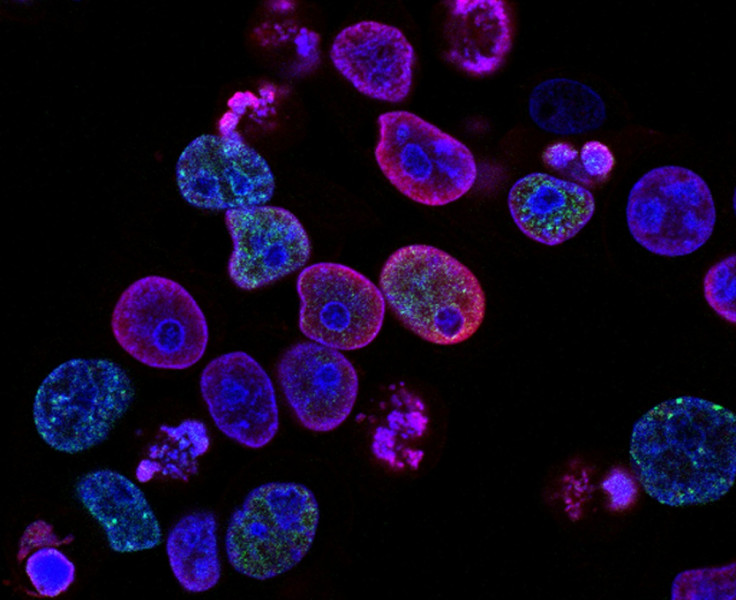
Stem cell therapy has become one of the most widely discussed areas in regenerative medicine, offering potential treatments for conditions once considered irreversible. By using a patient's own cells or donated stem cells, these therapies aim to repair or replace damaged tissues, restore function, and slow disease progression. As research expands, so does public interest in understanding what stem cell therapy can realistically achieve today.
However, despite the promise, limitations and safety concerns remain. Many stem cell applications frequently advertised online or by unregulated clinics have little scientific backing and carry significant risks. Only a limited number of stem cell therapy uses are FDA-approved, while most remain experimental. Understanding the benefits, evidence, and stem cell risks is essential for patients exploring regenerative medicine options, ensuring safe and informed decision-making.
Established and Emerging Stem Cell Therapy Uses
Stem cell therapy uses vary widely, but only a handful have strong scientific support and regulatory approval. Hematopoietic stem cell transplantation (HSCT) is the most established application, routinely used to treat leukemia, lymphoma, sickle cell disease, and other blood disorders. According to the National Cancer Institute, HSCT has been a standard of care for decades, helping restore healthy blood-forming cells destroyed by chemotherapy or disease.
Other promising but still developing applications exist across regenerative medicine. Mesenchymal stem cells (MSCs) are currently studied for osteoarthritis, Crohn's disease, and ulcerative colitis. Some early clinical trials have shown reduced inflammation and improved tissue repair, but long-term results remain under review.
Regenerative medicine researchers are also exploring stem cell therapy uses for complex neurological conditions. Based on a study conducted by the Mayo Clinic, stem cell research in Parkinson's disease and ALS shows potential for slowing neural degeneration, though these interventions remain experimental and closely regulated.
Meanwhile, skin stem cells are used to treat burn victims and chronic wounds—one of the more practical and widely used regenerative medicine applications. Scientists continue developing stem-cell-derived retinal cells for macular degeneration and pancreatic beta cells for diabetes. While these innovations are promising, more research is needed before widespread approval.
Stem Cell Risks, Limitations, and Safety Concerns
Many patients are unaware that a large portion of commercially advertised stem cell treatments lack FDA approval. These unregulated interventions carry significant stem cell risks, including infection, immune rejection, blood clots, and even tumor formation. Numerous patients have suffered severe complications from unapproved injections marketed as "miracle cures."
Misleading claims often imply that stem cells can regenerate any tissue in the body, but this is scientifically inaccurate. Only a small number of stem cell therapy uses have demonstrated reliable benefits in controlled clinical settings. Treatments for spinal cord injury, heart failure, or neurodegenerative disorders remain experimental and should only be pursued through legitimate clinical trials.
Another major concern involves long-term safety. Based on a study conducted by Harvard Health, scientists warn that many advanced stem cell procedures lack sufficient long-term data to evaluate cancer risk, cell overgrowth, or unintended tissue changes. For this reason, patients must choose medical centers with proper accreditation and avoid private clinics promising fast cures. Understanding the difference between proven therapies and unregulated "stem cell tourism" is essential for minimizing stem cell risks and ensuring patient safety.
Practical Applications of Stem Cell Therapy: Conditions It Can Treat Today
Stem cell therapy is showing promise in a range of medical conditions, but not all applications are equally supported by scientific evidence. While some treatments are FDA-approved and widely used, many others remain experimental. Understanding which conditions stem cell therapy can realistically address helps patients make informed and safe choices.
- Hematologic conditions – Hematopoietic stem cell transplantation (HSCT) is used to treat leukemia, lymphoma, sickle cell disease, and other blood disorders. It helps restore healthy blood-forming cells destroyed by disease or chemotherapy.
- Osteoarthritis and inflammatory bowel diseases – Mesenchymal stem cells (MSCs) are studied for osteoarthritis, Crohn's disease, and ulcerative colitis. Early trials indicate potential reductions in inflammation and improved tissue repair.
- Neurological conditions – Stem cells are being researched for Parkinson's disease and ALS, showing potential for slowing neural degeneration, though treatments remain experimental.
- Burns and chronic wounds – Skin stem cells are applied in treating severe burns and chronic wounds, representing one of the more established regenerative medicine uses.
- Vision and diabetes research – Scientists are developing stem-cell-derived retinal cells for macular degeneration and pancreatic beta cells for diabetes, though these applications are still in the research phase.
Conclusion
Stem cell therapy has opened a new frontier in regenerative medicine, offering hope for conditions that previously had limited or no treatment options. With ongoing advancements in transplantation, wound healing, and immune-based therapies, the field continues to evolve at a rapid pace. Yet it remains essential for patients to understand which treatments are backed by scientific evidence and which are still experimental.
As research expands, so does the need for caution. Evaluating stem cell risks, verifying FDA approval status, and consulting qualified specialists help ensure that patients pursue safe and credible care. While regenerative medicine holds extraordinary promise, responsible decision-making is key. By staying informed, patients can benefit from scientifically supported treatments while avoiding dangerous or unproven interventions, ensuring the best possible outcomes for their health.
Frequently Asked Questions
1. What are the most common stem cell therapy uses with FDA approval?
Primarily hematopoietic stem cell transplantation for blood cancers and certain immune disorders.
2. Are stem cell therapies safe for neurological conditions?
Some clinical trials show promise, but no neurological stem cell treatment is FDA-approved yet.
3. What risks are associated with unapproved stem cell treatments?
Complications can include infection, tumor growth, inflammation, and lack of therapeutic benefit.
4. How to identify legitimate regenerative medicine providers?
Choose institutions affiliated with hospitals, universities, or recognized clinical trials databases (clinicaltrials.gov).
Published by Medicaldaily.com


