


Understanding Climate Health Risks: How Rising Temperatures Impact Human Health
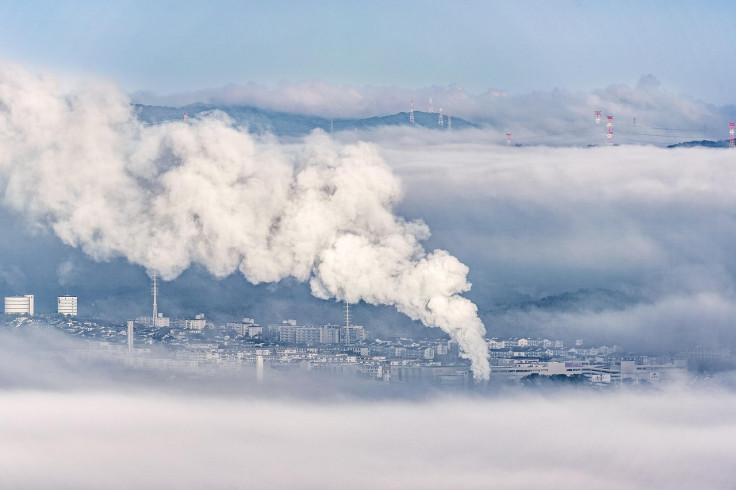
Rising global temperatures resulting in climate health risks have become a defining characteristic of this century's climate landscape. As scientific consensus confirms, global warming directly influences many aspects of the Earth's systems, including human health.
Understanding how rising temperatures affect well-being is crucial for preparing societies to face the growing challenges posed by climate change. This article explores what increasing temperature means for human health by examining the key climate health risks, the populations most vulnerable, and strategies for minimizing harm.
How Does Global Warming Affect Human Health?
Global warming health concerns stem primarily from the direct and indirect ways elevated temperatures impact the body and environment. Direct exposure to extreme heat can lead to heat exhaustion, heat stroke, dehydration, and worsening of chronic conditions such as cardiovascular and respiratory illnesses.
The human body struggles to cool itself in rising heatwaves, increasing mortality risks in heatwave-prone regions. Moreover, global warming influences the environment, exacerbating air pollution and triggering changes in disease patterns, which combined, further heighten health burdens.
What Are the Major Climate Health Risks?
Climate health risks linked to rising temperatures are diverse and complex:
- Heat-Related Illnesses: Heatwaves cause an increase in emergency room visits and deaths worldwide. Prolonged exposure overwhelms the body's cooling mechanisms, leading to heat strokes, rashes, and exhaustion.
- Vector-Borne Diseases: Higher temperatures expand the habitats of vectors like mosquitoes and ticks, increasing transmission of diseases such as malaria, dengue fever, and Lyme disease. Warmer climates accelerate the breeding cycles of these vectors, enhancing disease spread.
- Air Quality Deterioration: Rising temperatures lead to increased ground-level ozone, a harmful air pollutant that aggravates asthma, bronchitis, and other respiratory conditions. Wildfires, intensified by global warming, also contribute large quantities of smoke and particulate matter.
- Mental Health Consequences: Climate-related events cause stress, anxiety, and depression. Loss of homes, livelihoods, and community disruption due to extreme weather or slow environmental changes can lead to lasting psychological distress.
Why Are Vulnerable Populations at Greater Risk?
The impacts of global warming health issues are not experienced equally, according to Harvard Health. Certain groups face heightened vulnerability due to physiological, socioeconomic, and geographic factors:
- Age and Health Status: Children, the elderly, and individuals with existing medical conditions are more susceptible to heat stress and complications.
- Socioeconomic Disparities: Low-income communities often lack access to adequate cooling, healthcare, and infrastructure, increasing exposure to climate health risks. These populations also may face barriers to obtaining preventive care and information.
- Geographic Location: Regions near the equator or with urban heat island effects feel the most severe temperature increases. Developing countries frequently encounter limited resources to adapt to these changes, elevating their risk further.
How Does Global Warming Influence Infectious Diseases?
Global warming shifts geographical and seasonal patterns for many infectious diseases. Mosquitoes and ticks, sensitive to temperature and humidity, thrive in warmer surroundings, expanding their reach into previously cooler areas. This climatic shift introduces vector-borne diseases to new populations lacking immunity or preparedness.
For example, malaria cases historically limited to tropical zones have appeared at higher altitudes and latitudes. Similarly, diseases like Lyme, transmitted by ticks, have spread due to warming winters. The increased risk of infectious disease outbreaks demands robust public health surveillance and intervention capacities, as per the World Health Organization.
Can Rising Temperatures Affect Food and Water Security?
Climate health risks extend beyond direct exposure to heat, affecting essential resources that sustain life:
- Agricultural Productivity: Heat stress affects crop yields, reducing the availability of staple foods and increasing vulnerability to malnutrition and food insecurity.
- Water Scarcity: Higher temperatures accelerate drought conditions in many regions. Limited freshwater availability compromises hygiene, drinking water quality, and irrigation for crops.
- Waterborne Diseases: Contaminated water supplies from flooding or drought can increase gastrointestinal illnesses and other infections, compounding health risks.
The intersection of diminished food and water security with rising temperatures creates multiplicative impacts on nutrition and overall health.
What Are the Mental Health Effects of Climate Change?
Rising temperatures and related extreme weather events have significant psychological consequences. The trauma of natural disasters, displacement caused by flooding or wildfires, and the stress of long-term environmental changes contribute to anxiety, depression, and post-traumatic stress disorder (PTSD).
Communities facing ongoing climate threats experience heightened worries about livelihoods, safety, and future prospects. The sense of loss related to cultural or natural environments can cause chronic emotional distress. Mental health services must integrate climate considerations to address these emerging needs.
How Can Society Mitigate Climate Health Risks?
Addressing the health impacts of rising temperatures requires coordinated approaches at multiple levels:
- Public Health Adaptation: Early warning systems for heatwaves, infection surveillance, and community outreach programs increase resilience. Access to cooling centers and hydration resources can reduce heat-related illnesses during peak periods.
- Policy and Urban Planning: Governments must implement policies that reduce greenhouse gas emissions to curb global warming health impacts long-term. Urban design that increases green spaces, improves air circulation, and limits heat absorption can moderate urban heat islands.
- Healthcare Integration: Medical providers should incorporate climate-related risks into routine care, particularly for vulnerable populations. Education on recognizing and managing climate-induced conditions enhances patient outcomes.
- Research and Education: Improved data on climate health risks facilitates targeted interventions, while public education raises awareness of preventative practices.
Rising temperatures pose a broad and growing set of risks to human health. From heat-related illnesses and infectious diseases to food, water security, and mental health challenges, the implications of global warming health impacts are profound and multifaceted.
These climate health risks emphasize the urgent need for adaptive public health strategies, policy reforms, and community resilience building. Understanding and acting on these risks represents an essential step in protecting global populations against the evolving consequences of climate change.
Frequently Asked Questions
1. How does climate change affect the spread of antibiotic-resistant bacteria?
Rising temperatures and changing environmental conditions can accelerate the growth and transmission of antibiotic-resistant bacteria. Warmer waters and soils create favorable environments for bacteria to evolve resistance more quickly.
Additionally, increased human and animal exposure due to climate-related migration or habitat shifts can facilitate the spread of these pathogens, complicating treatment and public health efforts.
2. What role does urban design play in mitigating the health impacts of rising temperatures?
Urban design significantly influences how communities experience heat. Features such as green roofs, shaded parks, increased tree cover, reflective building materials, and improved ventilation reduce urban heat islands and lower local temperatures. Thoughtful urban planning can thus lessen heat exposure and related health issues, especially in densely populated areas.
3. Can global warming health risks impact workplace productivity?
Yes, rising temperatures can reduce workplace productivity, particularly for outdoor laborers in agriculture, construction, and manufacturing. Heat stress leads to fatigue, dehydration, and increased risk of accidents, which reduce efficiency and increase health-related absences. This economic impact highlights the broader societal costs of climate health risks.
4. How do rising temperatures affect allergy seasons and respiratory allergies?
Warmer temperatures extend growing seasons for plants that produce allergens such as pollen. This prolongation increases the concentration and duration of airborne allergens, exacerbating respiratory allergies and asthma symptoms. Additionally, air pollutants that worsen in higher heat can intensify inflammatory responses in the respiratory system.
Published by Medicaldaily.com


