





Why Norovirus Is Spreading Faster Than Ever: The Rise, Symptoms, and Viral Gastroenteritis Risks"
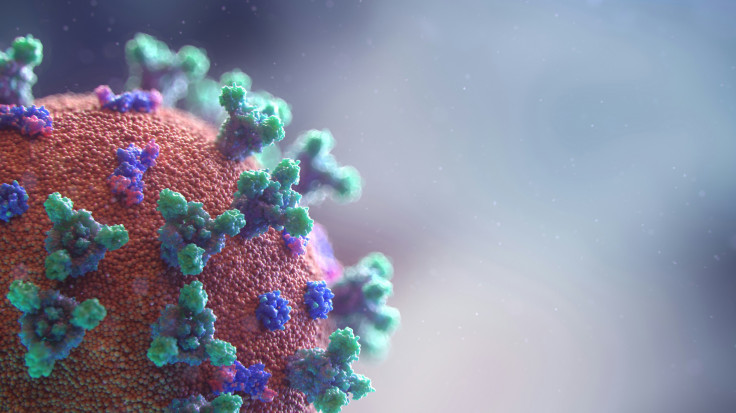
Norovirus has emerged as one of the most aggressive and contagious causes of viral gastroenteritis, often mistaken for the "stomach flu." While the illness is usually short-lived, its ability to spread at alarming speed has made it a major public health concern worldwide. Recent data show a noticeable norovirus rise in multiple regions, signaling the importance of understanding how this virus spreads, why outbreaks intensify so easily, and what people can do to protect themselves.
Norovirus outbreaks typically occur in crowded or communal settings, but spikes have been reported in schools, cruise ships, restaurants, and long-term care facilities. What makes the virus so formidable is its combination of resilience, a very low infectious dose, and multiple transmission routes—all of which accelerate viral gastroenteritis outbreaks. As stomach flu symptoms appear quickly and spread rapidly from person to person, timely awareness and preventive measures are critical.
Transmission Routes Fueling Rapid Norovirus Spread
Norovirus is known for spreading faster than most gastrointestinal infections, largely because it can pass through several highly effective routes. Below are the major factors driving the recent norovirus rise.
1. Direct Person-to-Person Transmission
Direct interaction with an infected individual is the most common transmission pathway. Norovirus spreads easily through tiny viral particles shed in vomit or stool. Even minimal contact—such as shaking hands with someone who recently vomited or used the restroom—can be enough to cause infection. According to the Centers for Disease Control and Prevention, norovirus requires only a very small amount of viral particles to infect someone, making person-to-person transmission exceptionally efficient.
2. Contaminated Food and Water Sources
Foodborne transmission contributes significantly to outbreaks, especially in settings where many people eat or handle food. Buffets, cafeterias, and catered events often become hotspots when infected individuals prepare or serve food.
Based on a study conducted by the U.S. Food and Drug Administration, norovirus is the leading cause of foodborne illness outbreaks in the United States, particularly linked to improper handwashing or contaminated produce and shellfish. Contaminated water—whether from wells, lakes, or inadequately treated sources—can also lead to rapid spread in communities.
3. Environmental Surfaces (Fomites)
Norovirus is unusually durable. It can survive on surfaces such as doorknobs, countertops, railings, and bathroom fixtures for days or even weeks if not properly disinfected. According to the National Institutes of Health, norovirus can remain infectious on hard surfaces for extended periods and withstand many household cleaners, making outbreak control difficult without proper sanitization. Even touching a contaminated surface and then touching your mouth can result in infection.
4. Airborne Particles from Vomit
One lesser-known transmission route involves tiny aerosolized particles released when an infected person vomits. These particles can linger in the air briefly or land on surrounding surfaces, increasing the risk of exposure for anyone nearby.
This airborne spread contributes to rapid norovirus rise in enclosed environments like cruise ships, classrooms, and hospital wards, where one vomiting incident can contaminate a wide area within minutes.
Symptoms and Viral Gastroenteritis Impact on Outbreak Control
Norovirus causes sudden and intense symptoms, which contribute both to the speed of detection and the difficulty of controlling outbreaks.
Common Stomach Flu Symptoms
Typical norovirus-related stomach flu symptoms appear 12–48 hours after exposure and include:
- Sudden vomiting (most common early sign)
- Watery diarrhea
- Nausea
- Abdominal cramps or stomach pain
- Low-grade fever
- Muscle aches
- Fatigue
The abrupt vomiting and diarrhea episodes significantly increase environmental contamination, making outbreak control even more challenging.
Low Infectious Dose and Prolonged Shedding
Another reason norovirus spreads so quickly is its extremely low infectious dose. In most cases, as few as 18 viral particles are enough to infect a person—making it one of the most contagious known viruses. Furthermore, infected individuals can continue to shed the virus for days after their stomach flu symptoms stop. This means even people who feel "back to normal" may still unknowingly contribute to viral gastroenteritis transmission.
Challenges in High-Density Settings
Norovirus thrives in locations where many people share space, food, and facilities:
- Schools
- Hospitals
- Cruise ships
- Nursing homes
- Restaurants
- Dormitories
Crowded living conditions combined with shared restrooms, dining areas, and close contact create ideal environments for rapid norovirus rise. Even rigorous cleaning procedures may not fully eliminate the virus, especially if improper disinfectants are used or if cleaning staff are exposed without adequate protection.
Conclusion
Understanding why norovirus spreads so quickly is crucial for reducing the impact of viral gastroenteritis outbreaks, especially during peak seasons. The rapid transmission routes—direct contact, contaminated food, environmental surfaces, and aerosolized particles—combined with prolonged viral shedding make prevention essential.
By recognizing stomach flu symptoms early, practicing thorough handwashing, and maintaining proper sanitization at home and in public spaces, individuals can help limit the spread of this resilient virus. As the norovirus rise continues in many regions, staying vigilant and informed remains the strongest defense against one of the world's most contagious gastrointestinal illnesses.
Frequently Asked Questions
1. How long is norovirus contagious after symptoms stop?
Most people remain contagious for up to 48 hours after symptoms end, but viral shedding can continue for up to two weeks in some cases.
2. Can proper handwashing prevent norovirus infection?
Yes. Washing hands thoroughly with soap and water is significantly more effective than alcohol-based sanitizers, which may not kill norovirus.
3. Are there vaccines available for norovirus?
There is no approved vaccine yet, but clinical trials are underway. Research is ongoing due to the virus's constantly mutating strains.
4. How should contaminated surfaces be cleaned to stop transmission?
Use bleach-based disinfectants containing 1,000–5,000 ppm chlorine, as recommended by the CDC. Many standard cleaners are ineffective.
Published by Medicaldaily.com


