New gut bacteria longevity research reveals specific microbes that may support healthy aging, improve immunity, and extend lifespan through better gut health and balanced microbiome function.
Discover science-backed intermittent fasting benefits, how it may support weight, heart, and metabolic health, and the key risks and safety tips to consider before starting.
Blue light sleep disruption can delay your sleep cycle by suppressing melatonin. Learn how screen light exposure affects circadian rhythm and ways to protect sleep.
Explore how the health effects of loneliness and social isolation are becoming a major public health risk, impacting physical and mental well-being across all ages globally.
Burnout symptoms often appear before professionals recognize them. Learn the early warning signs, causes, and workplace mental health strategies to prevent long-term exhaustion.
Social media anxiety explained by psychologists. Learn how FOMO, social comparison, cyberbullying, and sleep disruption impact mental health effects online.
Explore how CRISPR gene editing is transforming genetic disease treatment, uncovering breakthroughs, safety advances, and the future possibilities of curing inherited disorders through DNA repair.
Artificial skin technology and electronic skin research enable prosthetics, robotics, and burn grafts to sense touch, temperature, and textures like real skin.
Discover how smart thermostats and health are connected by optimizing bedroom temperature to improve sleep quality, support easier breathing, and create a more comfortable, restorative sleep environment.
Learn the IVF process step by step, success rates by age 35-40, 2026 treatment costs, embryo transfer, and fertility alternatives like IUI and egg freezing.
Explore how sleep and brain health are connected, what sleep memory science says about learning and focus, and why quality rest protects thinking and long-term memory.
Explore how ultra-processed foods impact weight, heart health, diabetes, mood, and gut balance while learning practical ways to reduce processed food health risks in everyday meals.
Discover key hormonal imbalance symptoms in women, including changes in periods, mood, weight, and energy, plus when to seek medical advice for better long-term health.
Childhood obesity prevention tips, causes of childhood obesity, and health risks explained with family strategies to support healthier kids and long-term wellness.
It’s reported that up to 70% of the population have sensitive skin. More alarming, allergies and skin sensitivities are known to affect millions of patients taking prescriptions every year.
Given the tremendous complexity of the human body’s digestive processes, simple calorie-counting is not a very effective way to lose weight. Instead, an effective weight loss diet should evaluate food after its thermic effect — that is, the amount of energy needed to digest it. By causing the body to work harder and burn calories, a product of high thermogenic capacity can partially offset its own caloric value, yielding a much lower net intake.
Health magazine's article on metabolism-boosting foods lists some of the best calorie-burning products available. The thermic effect of these foods will melt unnecessary calories, promote a robust metabolism, and even regulate appetite.
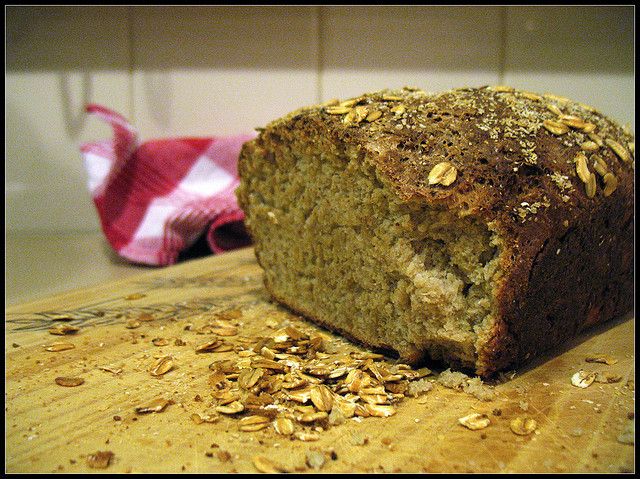
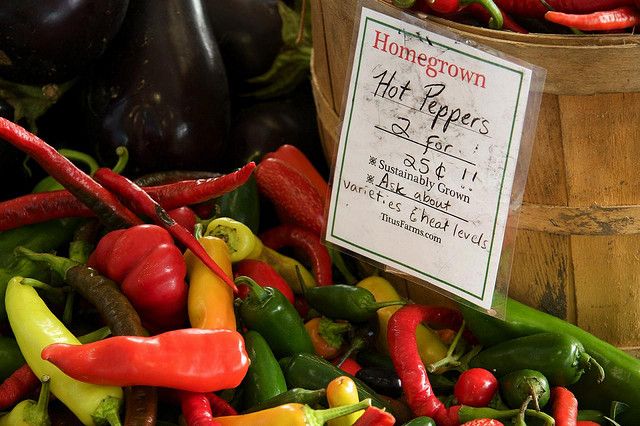
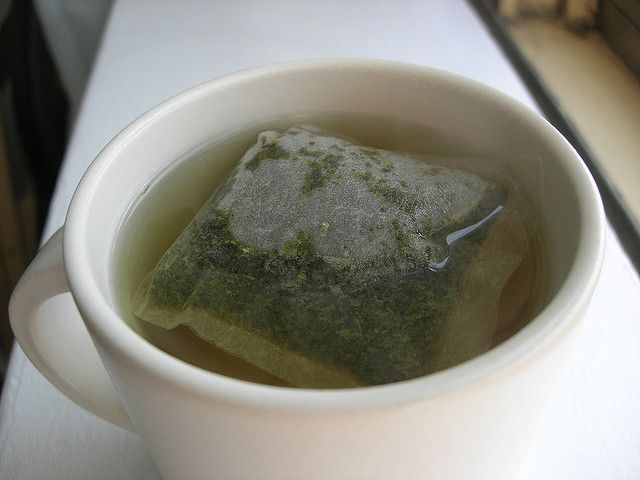
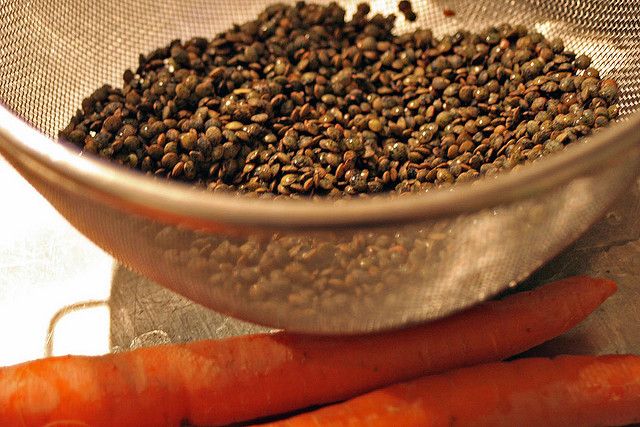
The high protein value of lean meats like turkey and chicken requires some serious metabolic work. For example, if you eat a 300-calorie chicken breast, almost 30 percent of the given caloric value is offset by the digestive process. That means that the product will only yield a net intake of 210 calories. Eric Kilby / FlickrTo maintain your hardworking metabolism, you also need foods that promote muscle mass. Load your diet with low-fat dairy products packet with vitamin D and calcium — two essential components of bone and muscle health. _gee_ / FlickrDigesting whole grain products is a laborious process. That’s why you burn twice as many calories digesting fiber-rich foods like oatmeal and brown rice than you do digesting processed foods. suavehouse113 / FlickrHot peppers burn calories as well as they burn tongues. Its active component, capsaicin, combats weight gain by regulating satiety as well as appetite. Raw, cooked, dried, or powdered peppers can be incorporated into a wide variety of dishes and beverages. schopie1 / FlickrIced or hot, green tea is sure to accelerate your metabolism almost immediately. The relevant ingredient is epigallocatechin gallate (EGCG), a potent antioxidant that has been noted for its weight loss benefits as well as its therapeutic capacity. danoNutritional deficiencies impose a speed limit on your metabolism by reducing your body’s overall efficiency. According to the Centers for Disease Control and Prevention, iron deficiency is the most common nutritional shortcoming, and the leading cause for anemia. Good thing a single cup of lentils contains more than a third of your daily need. Maggie Hoffman / Flickr