





7 Protein Myths Debunked: The Truth About Protein Intake, Muscle & Kidney Health
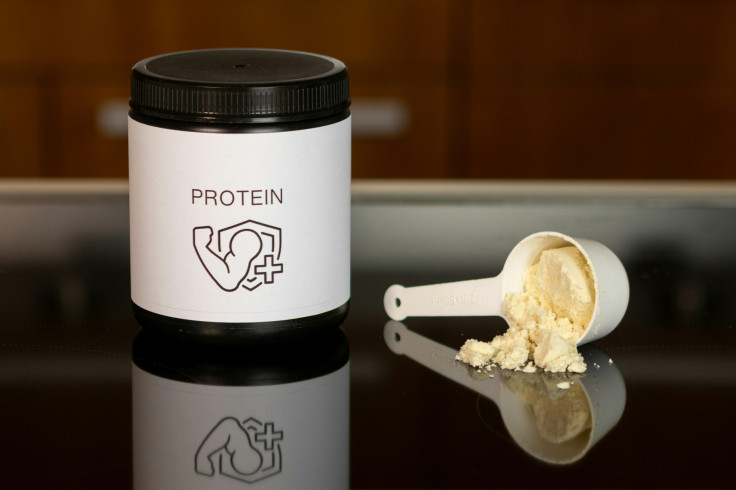
Protein nutrition is one of the most talked-about topics in health and fitness, yet it's also one of the most misunderstood. From gym locker rooms to social media feeds, protein myths spread quickly—often oversimplifying how much we actually need and what it really does for the body. Claims about muscle growth, kidney damage, and plant-based protein gaps can sound convincing, but they don't always reflect current protein intake facts.
In reality, protein needs vary widely depending on age, activity level, health status, and overall diet quality. A high protein diet can be helpful in certain contexts, but it isn't automatically better for everyone. Understanding where science stands on these common protein myths can help you make smarter, more balanced choices.
Protein Intake Facts vs. Protein Myths About Muscle Growth
One of the most persistent protein myths is that you must follow a high protein diet to build muscle. While protein is essential for muscle repair and growth, more is not endlessly better. There is a point where additional grams stop delivering meaningful gains.
According to the International Society of Sports Nutrition (ISSN), protein intakes of 1.4–2.0 grams per kilogram of body weight per day are generally sufficient for physically active individuals to support muscle maintenance and growth. Intakes beyond this range may not provide extra benefit for most people when total calories and training are already adequate.
Muscle growth depends on progressive resistance training, sufficient energy intake, recovery, and sleep—not just protein alone. Excess protein beyond what your body can use for repair is typically oxidized for energy or stored. The key protein intake fact is balance: meet your needs, but don't assume extreme intake equals extreme results.
High Protein Diet and Kidney Health: Separating Risk from Reality
Another widely repeated protein myth claims that a high protein diet automatically damages healthy kidneys. This fear has circulated for decades, often without context regarding who is actually at risk.
According to the National Institute of Diabetes and Digestive and Kidney Diseases (NIDDK), high protein intake may need to be limited in people who already have chronic kidney disease, but there is no strong evidence that high protein diets cause kidney disease in healthy individuals. In people with normal kidney function, the kidneys can adapt to higher protein loads without developing disease.
That said, protein nutrition should still be personalized. Individuals with existing kidney conditions, diabetes, or hypertension should consult healthcare professionals before significantly increasing protein intake. For healthy adults, the high protein diet conversation is less about fear and more about moderation, hydration, and overall diet quality.
Plant Protein vs. Animal Protein in Modern Protein Nutrition
The belief that animal protein is always superior is another common protein myth. Animal sources like meat, eggs, and dairy often contain all essential amino acids in sufficient amounts, but that doesn't mean plant protein is "weak."
According to Harvard T.H. Chan School of Public Health, plant-based protein sources such as beans, lentils, nuts, seeds, and soy products can adequately meet protein needs when consumed in variety. Combining different plant foods throughout the day ensures a full range of essential amino acids.
Protein nutrition is about the overall dietary pattern. Plant-based diets can provide enough protein while also delivering fiber, antioxidants, and beneficial fats. The idea that vegans and vegetarians cannot get enough protein is outdated, provided the diet is thoughtfully planned.
7 Common Protein Myths You Can Stop Believing
Beyond muscle and kidney concerns, several other protein myths continue to shape public perception:
- Myth 1: You must eat massive protein amounts to gain muscle. Protein needs do increase with training, but muscle gains plateau once moderate intake levels are met. Consuming excessive protein does not automatically translate to faster or greater muscle growth.
- Myth 2: Protein shakes are mandatory after every workout. Total daily protein intake matters more than consuming a shake immediately after exercise. Whole foods like eggs, yogurt, tofu, or chicken can support recovery just as effectively.
- Myth 3: Vegans and vegetarians are protein deficient. Plant-based diets can provide sufficient protein when they include legumes, soy, nuts, seeds, and whole grains. Variety and adequate calorie intake are usually more important than the protein source itself.
- Myth 4: More protein guarantees weight loss. Protein can help increase fullness and preserve muscle during dieting. However, fat loss still depends on maintaining a calorie deficit over time.
- Myth 5: Protein damages healthy kidneys. In people with normal kidney function, moderate high protein diets have not been shown to cause kidney disease. Risks are more relevant for individuals who already have kidney conditions.
- Myth 6: All protein sources are equal. Protein sources differ in digestibility and amino acid composition. Eating a range of animal and plant proteins helps ensure balanced nutrient intake.
- Myth 7: Protein needs are the same for everyone. Protein requirements vary depending on age, activity level, body composition, and health status. Personal goals and medical conditions also influence ideal intake levels.
These protein intake facts highlight that context matters more than blanket rules.
How to Apply Protein Intake Facts in Real Life
Understanding protein myths is helpful, but applying protein intake facts to your daily routine is what truly matters. Most sedentary adults meet their needs at around 0.8 grams per kilogram of body weight per day, while active individuals often benefit from 1.2–1.6 grams per kilogram depending on training intensity and goals. Adjusting intake based on lifestyle—not trends—creates a more sustainable approach to protein nutrition.
Older adults may require slightly higher protein to help preserve muscle as they age. Distributing protein evenly across meals instead of loading it into one large dinner can better support muscle protein synthesis. Pairing protein with vegetables, whole grains, healthy fats, and proper hydration ensures it works within a balanced dietary pattern rather than acting as a standalone fix.
Protein Intake and Health: What Really Matters for Long-Term Wellness
Looking beyond protein myths reveals a simpler truth: protein is essential, but it works within the bigger picture of total calories, nutrient balance, and daily habits. A high protein diet can support muscle maintenance and appetite control when aligned with personal goals, yet it is not automatically superior. The most important protein intake fact is personalization based on body weight, activity level, and overall health.
Smart protein choices don't require extremes. Lean meats, dairy, legumes, tofu, nuts, and seeds can meet daily needs for most people. Moderate intake supports active lifestyles, while balanced meals and consistency drive lasting results.
Frequently Asked Questions
1. How much protein do I really need per day?
Protein needs depend on body weight and activity level. Most sedentary adults need about 0.8 grams per kilogram of body weight daily. Active individuals often require 1.2–1.6 grams per kilogram. Higher needs may apply to athletes or older adults.
2. Is a high protein diet safe long term?
For healthy individuals with normal kidney function, moderate high protein diets are generally considered safe. Risks increase mainly in people with existing kidney disease. Hydration and overall diet quality also matter. Personalized guidance is recommended for medical conditions.
3. Can I build muscle without protein supplements?
Yes, muscle growth depends on total protein intake, not supplements specifically. Whole foods like eggs, dairy, chicken, tofu, and legumes provide high-quality protein. Supplements are convenient but not required. Consistent training and recovery are equally important.
4. Are plant proteins complete?
Some plant proteins are lower in certain essential amino acids. However, eating a variety of plant foods throughout the day provides all essential amino acids. Combining grains and legumes is a simple strategy. A well-planned plant-based diet can fully meet protein needs.
Published by Medicaldaily.com


