


Baby Fever: When to Treat at Home and When to Call the Doctor
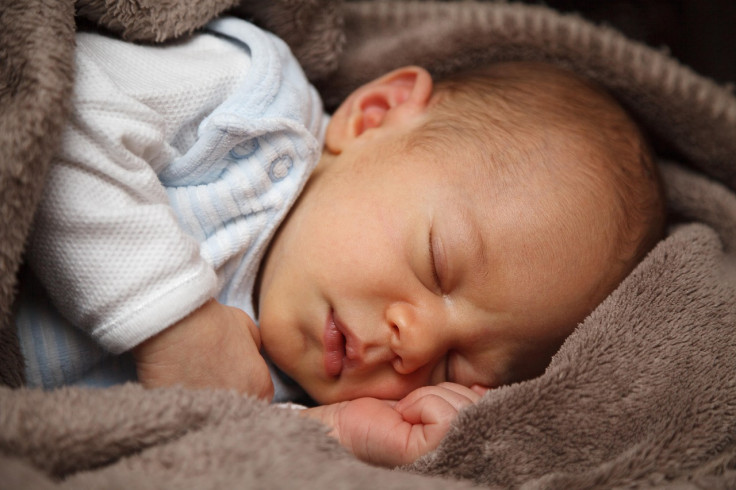
Baby fever can be stressful, especially for first‑time caregivers. Fever in pediatrics is common, and understanding when baby fever home care is enough and when to call a doctor can help keep babies safe while avoiding unnecessary panic. Knowing what counts as a fever, how to use antipyretics, and which warning signs matter most allows caregivers to respond calmly and effectively.
What Is a Fever in Babies?
In babies, fever is usually defined as a rectal temperature of 100.4°F (38°C) or higher, which is the most accurate method in infancy.
Other thermometer types (temporal or axillary) may show slightly different numbers, but pediatric guidance typically uses rectal readings to decide when to worry. Fever itself is a symptom, not a disease, and it often signals the immune system is responding to an infection.
Common causes of fever include colds, flu, ear infections, urinary tract infections, and normal reactions after routine vaccines. Many of these are mild and improve with simple baby fever home care. In practice, how the baby looks, behaves, and feeds often tells more about how sick they are than the exact number on the thermometer.
Baby Fever Home Care Basics
For many babies, especially those who are otherwise healthy and older than a few months, baby fever home care focuses on comfort and hydration.
Light clothing, a comfortable room temperature, and plenty of fluids can help the body regulate temperature. Frequent breastfeeding or formula feeding supports hydration and offers comfort.
Gentle measures like a lukewarm sponge bath or a cool, damp washcloth on the forehead or neck may make a baby feel better during a fever.
Very cold baths, ice, and rubbing alcohol should be avoided because they can cause discomfort and may be unsafe. The main goal is to keep the child comfortable and closely monitor changes in symptoms over time.
Antipyretics in Pediatrics: Safe Fever Medicines
Antipyretics are fever‑reducing medicines used widely in pediatrics, most commonly acetaminophen and ibuprofen. For babies, dosing is always based on weight, not guesswork, and caregivers should follow product directions or a pediatrician's advice. This helps ensure antipyretics are both effective and safe.
Acetaminophen can be used in younger infants, while ibuprofen is generally reserved for babies at least 6 months old. Aspirin is not recommended in children because of its link to a rare but serious condition called Reye syndrome, according to Harvard Health.
Many pediatric professionals suggest using antipyretics when the baby seems uncomfortable, has trouble sleeping, or is not feeding well, rather than automatically treating every mild fever if the baby still appears playful and comfortable.
When Baby Fever Home Care Is Usually Enough
Baby fever home care is often appropriate when a baby is older than 3 months, the fever is mild to moderate, and the child is still alert at times, can be consoled, and is drinking reasonably well. Mild cold‑like symptoms with a low‑grade fever that lasts only a day or two often point to a common viral infection that will pass with supportive care.
Caregivers can keep track of temperatures, times antipyretics are given, diaper counts, and any behavior changes. If the baby remains hydrated, has wet diapers, and shows periods of normal interaction or playfulness, continued home care and observation are usually reasonable.
When to Call a Doctor for Baby Fever
Knowing when to call a doctor is central to safe fever management. Age is especially important. For babies younger than 3 months, caregivers are generally advised to call a doctor immediately for any fever of 100.4°F (38°C) or higher, because even a mild fever can signal a serious infection in this age group.
For babies around 3–12 months, calling pediatrics is recommended if fever reaches about 102–102.2°F (around 39°C), lasts longer than 24–48 hours, or if concerning symptoms appear.
Warning signs include trouble breathing, repeated vomiting or severe diarrhea, signs of dehydration (very few wet diapers, no tears, dry mouth), extreme irritability, unusual sleepiness, a weak or high‑pitched cry, or a new rash.
Repeated temperatures above 104–105°F (40–40.5°C) or fever with a stiff neck, severe headache, or a very ill appearance also merit prompt medical advice.
Fever after vaccines is common and often responds to baby fever home care and, if recommended, antipyretics. However, if the fever is very high, lasts longer than expected, or the baby's behavior is worrisome, contacting pediatrics is a sensible step.
When Fever Needs Emergency Care
Some situations go beyond the question of when to call a doctor and require emergency care, as per Mayo Clinic.
Caregivers should seek urgent evaluation or call emergency services if a baby with fever has obvious trouble breathing, is gasping, breathing very fast, or has blue lips or face. Other emergency signs include seizures, difficulty waking the baby, limp or unresponsive behavior, or a purple, bruise‑like rash that does not fade when pressed.
Febrile seizures, seizures triggered by fever, are relatively common in young children but understandably frightening. During a seizure, the baby should be placed on their side on a safe surface, with nothing in the mouth.
Any seizure in a baby warrants medical evaluation, and many pediatric professionals recommend emergency assessment, especially for a first event.
Baby Fever Home Care and Pediatric Support: Key Reminders
Understanding baby fever home care and the principles pediatrics uses to judge risk helps caregivers act with more confidence.
Fever is often part of the body's normal defense, and with careful observation, appropriate use of antipyretics, and attention to hydration and comfort, many fevers can be safely managed at home. Age, temperature, how long the fever lasts, and associated symptoms all guide decisions about when to call a doctor or seek urgent help.
When uncertainty arises, reaching out to a pediatric professional is always reasonable, even if the fever does not clearly meet strict thresholds. By combining thoughtful baby fever home care with timely medical guidance, caregivers can better protect their children and respond effectively whenever fever appears.
Frequently Asked Questions
1. Can teething cause a true fever in a baby?
Teething may cause a slight rise in temperature but usually not a true fever (100.4°F / 38°C or higher). A higher temperature should be treated as illness, not just teething.
2. Should a sleeping baby with a fever be woken up for medicine?
If the baby is breathing comfortably, looks peaceful, and recently had antipyretics, it is usually fine to let them sleep; wake them if a dose is overdue and the baby feels very hot or unwell.
3. Is it okay to send a baby back to daycare the day after a fever?
Most daycares prefer the baby to be fever‑free for at least 24 hours without antipyretics and well enough to participate in normal activities.
4. Do all fevers in babies need blood tests or lab work?
No. Many mild, short‑lived fevers in otherwise healthy babies can be managed with observation and home care; doctors decide on tests based on age, symptoms, and exam findings.
Published by Medicaldaily.com


