





Child Psychology and Screen Time: Understanding Digital Effects on Kids
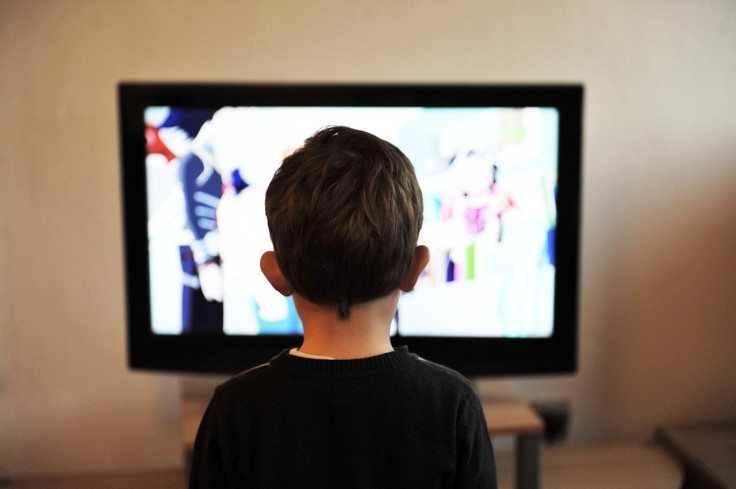
Technology has become deeply woven into the daily fabric of modern childhood. From digital classrooms to entertainment apps, children today are surrounded by screens more than ever before, making knowing digital effects on kids all the more important.
While technology offers educational benefits and global connectivity, psychologists and educators have raised concerns about its potential influence on young minds. Understanding the child psychology of screen time and the broader digital effects on kids helps parents, teachers, and policymakers make more informed decisions about healthy digital exposure.
How does technology affect children's development?
Technology can shape multiple aspects of a child's development, cognitively, emotionally, and socially. In early developmental stages, the brain rapidly forms neural connections through interaction with its environment.
Excessive or poorly directed screen time may alter this process by limiting hands-on experiences crucial for sensory growth and problem-solving skills. Studies suggest that constant exposure to fast-paced digital media can shorten attention span and hinder deep focus.
Emotionally, children may develop strong attachments to digital devices, sometimes at the expense of real-world relationships. When interactions shift primarily to screens, opportunities to practice empathy, patience, and conflict resolution can diminish, according to the Centers for Disease Control and Prevention.
Social development also changes as digital communication often replaces face-to-face conversations. While messaging apps and online games can maintain friendships, they may also expose children to negative online behaviors such as bullying or peer pressure.
Yet, the effects are not universally negative. Technology used creatively and intentionally, such as educational software or guided learning platforms, can improve critical thinking, language acquisition, and global awareness. The key variable lies not merely in how long screens are used, but in how they are used.
What is the ideal screen time for children?
Experts agree that moderation is crucial. Organizations like the American Academy of Pediatrics (AAP) and the World Health Organization (WHO) recommend different screen time limits based on age groups. For example:
- Under 2 years: Avoid screen exposure except for video chatting.
- Ages 2–5: Limit recreational screen time to one hour per day, focusing on high-quality educational content.
- Ages 6 and older: Establish consistent limits and encourage screen-free times, especially before bed.
These guidelines highlight the importance of quality content over mere screen duration. Interactive and educational experiences can enrich learning, while passive viewing, such as endless scrolling or binge-watching, offers little developmental value. When parents co-view or discuss digital content with their children, they help translate that digital experience into meaningful understanding.
Managing child psychology screen time effectively also means recognizing that each child's temperament, attention capacity, and lifestyle differ. Some adapt well to moderate screen use, while others may need stricter boundaries to maintain emotional stability and healthy routines.
How does excessive screen time impact mental health?
Excessive screen exposure has growing links to psychological concerns among children and adolescents. Mental health experts have observed patterns of anxiety, depression, and loneliness correlated with intensive digital engagement.
For some children, digital environments trigger the brain's dopamine reward pathways, especially in gaming or social media contexts. This can create reinforcing patterns similar to addiction, where constant rewards, likes, wins, or notifications condition the brain to seek continuous stimulation.
Prolonged screen use may also affect sleep patterns. Blue light emitted from devices suppresses melatonin production, disrupting sleep quality and leading to fatigue, irritability, and cognitive sluggishness. Over time, reduced physical activity and sleep can contribute to emotional dysregulation and diminished motivation.
However, it's essential to avoid overgeneralization. Not every child exposed to frequent screen use develops psychological difficulties. The effects depend on individual sensitivity, family environment, and the balance between online and offline life. A holistic approach that incorporates mental health monitoring, outdoor play, and open communication is crucial to mitigate the digital effects on kids.
Are there positive effects of technology on children?
Despite legitimate concerns, technology has transformed learning and creativity in powerful ways. Digital education platforms and interactive apps make learning accessible and engaging, especially for visual or kinesthetic learners. Children can explore topics from astronomy to languages through virtual simulations and games that reinforce curiosity.
Technology also plays a role in building connections. For children who live far from friends or family, virtual interactions offer social continuity and emotional support. In addition, digital tools can empower children with disabilities, providing adaptive technologies that enhance communication and learning capabilities, as per Harvard Health.
When used intentionally and under supervision, screen time becomes an opportunity rather than a risk. Programs that promote coding, art, or problem-solving foster essential 21st-century skills. The challenge lies in finding an equilibrium between beneficial use and overexposure.
How does social media influence child behavior and self-image?
Social media introduces complex dynamics in a child's psychological world. Children and adolescents learn self-identity through feedback, and social media amplifies this process by exposing them to constant peer evaluation. Online comparison, seeing curated versions of others' lives, can distort self-esteem and body image, especially during formative years.
The pressure to gain likes or followers may lead to feelings of inadequacy or addictive behaviors. For some, online popularity becomes intertwined with self-worth. On the other hand, social platforms can also foster creativity, self-expression, and global awareness when used constructively. The difference often depends on the guidance and digital literacy imparted by caregivers and educators.
Parents can protect mental well-being by encouraging children to view social media critically, discussing authenticity and self-perception. Instead of banning it entirely, teaching responsible use and emotional awareness helps children navigate these platforms safely.
How can parents manage healthy technology habits?
Healthy technology habits start with consistent boundaries. Establishing digital "zones," such as device-free meals or evenings, can reinforce family connections and prevent habit loops. Experts also recommend co-viewing, where parents watch or play media with children, creating opportunities to discuss content and values.
Practical strategies include:
- Setting screen limits based on age and activity type.
- Prioritizing educational and creative content over passive entertainment.
- Encouraging outdoor play and physical movement to offset sedentary screen use.
- Using parental controls judiciously to manage exposure to inappropriate content.
Another effective approach is modeling balanced behavior. When parents demonstrate mindful technology use, children naturally imitate healthier habits. Open dialogue about online safety, privacy, and media influence can further strengthen trust and digital responsibility.
What does research say about the digital generation?
Research on the "digital generation" continues to evolve, revealing nuanced insights into cognitive and behavioral trends. Neuroscientists find that consistent digital stimulation may alter reward pathways and attention mechanisms in young brains, emphasizing the need for downtime and offline learning. Developmental psychologists also note that multitasking across digital platforms may hinder sustained focus and memory retention.
Yet, technology remains an integral part of modern education and communication. Digital natives are growing up more adept at information retrieval, creative expression, and virtual collaboration than any previous generation. As long as their use is balanced and supervised, they can benefit from both the cognitive advantages of technology and the grounding influence of real-world experiences.
Long-term observations suggest that the digital effects on kids hinge largely on adult involvement and educational framing. When technology complements, rather than replaces, traditional play, reading, and interpersonal interaction, its impact on child psychology remains largely positive.
Technology profoundly influences child psychology, shaping thinking, behavior, and emotional development. The relationship between child psychology screen time and overall well-being is complex, depending on factors such as content quality, supervision, and duration. While unregulated screen exposure can contribute to attention difficulties and mental health challenges, guided use can enhance learning and social growth.
Ultimately, the goal is not to eliminate screens but to integrate them mindfully. By combining structured digital engagement with active parenting and real-world exploration, caregivers can ensure that technology becomes a tool for growth rather than a source of imbalance.
As society continues to adapt to the digital era, understanding the psychological landscape behind children's digital interactions is essential to nurturing resilient, curious, and emotionally balanced generations.
Frequently Asked Questions
1. Can technology affect a child's attention span in the classroom?
Yes. Continuous exposure to rapid digital stimuli can make it harder for children to maintain focus in traditional classroom environments. The brain adapts to short, high-reward interactions common in digital media, which can reduce patience for slower, linear learning activities. Educators often recommend incorporating interactive methods and short digital breaks to help balance attention capacity.
2. How can parents tell if technology is stressing their child?
Warning signs may include irritability after screen use, lack of enthusiasm for offline activities, disrupted sleep, or a sudden drop in academic performance. Emotional fatigue or withdrawal can also signal overexposure. Parents can observe behavioral changes and discuss online experiences regularly to identify stress triggers before they escalate.
3. Do digital learning tools impact creativity differently than traditional play?
Digital tools can boost creativity when they allow problem-solving or open-ended exploration, such as coding games or art design apps. However, traditional play develops sensory imagination and collaboration in unique ways that screens cannot fully replicate. Balancing both forms of play offers the most comprehensive cognitive development.
4. What role does culture play in shaping children's digital habits?
Cultural attitudes toward technology greatly influence children's screen behavior. In some societies, high digital engagement is viewed as educational progress, while others emphasize outdoor play and face-to-face relationships. Understanding cultural expectations helps families set screen routines that align with their values without isolating children from digital learning opportunities.
Published by Medicaldaily.com


