


Guide to Anti-Inflammatory Foods: What Diet Science Really Supports
An anti-inflammatory diet has become one of the most talked-about approaches to eating, but not every claim about it is backed by solid diet science. This article looks at what researchers actually know about anti-inflammatory foods, where the evidence is strongest, and where the hype outpaces the data.
What is an anti-inflammatory diet?
An anti-inflammatory diet is best understood as an overall eating pattern rather than a rigid meal plan or branded program. It emphasizes whole, minimally processed foods, especially fruits, vegetables, whole grains, legumes, nuts, seeds, and healthy fats like olive oil and omega-3-rich fish. This pattern overlaps strongly with Mediterranean-style and other plant-forward diets that have been extensively studied in nutrition research.
Instead of promising a quick fix, this approach focuses on long-term habits that support lower levels of chronic inflammation. It typically limits ultra-processed foods, sugary drinks, refined grains, processed meats, and excessive saturated and trans fats, which are associated with higher inflammatory markers in many observational and clinical studies.
What do you eat on an anti-inflammatory diet?
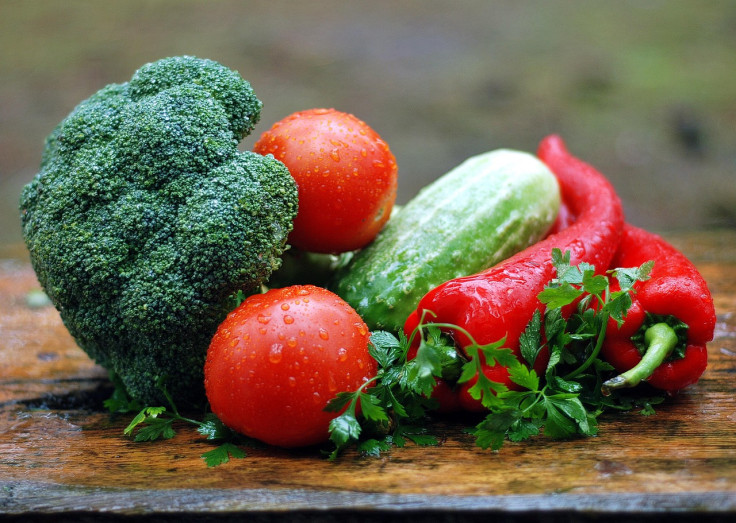
On a practical level, anti-inflammatory eating centers on whole plant foods and healthy fats, with modest portions of high-quality protein. Core anti-inflammatory foods include colorful fruits (such as berries, oranges, and cherries) and vegetables (like leafy greens, cruciferous vegetables, peppers, and tomatoes) that provide fiber, vitamins, and a wide range of antioxidant and polyphenol compounds.
Whole grains such as oats, quinoa, barley, and brown rice, along with legumes like beans, lentils, and chickpeas, provide additional fiber and resistant starch, which support gut health. Nuts, seeds, avocados, and fatty fish like salmon, mackerel, and sardines provide unsaturated fats and omega-3s. At the same time, herbs and spices such as turmeric, ginger, garlic, and cinnamon add bioactive compounds with documented anti-inflammatory potential.
How does an anti-inflammatory diet work?
Diet science suggests that this pattern influences inflammation through several overlapping mechanisms rather than a single "magic" pathway. Antioxidants and polyphenols found in plant foods help reduce oxidative stress, which is closely linked to inflammatory processes in the body. Fiber and fermentable carbohydrates feed beneficial gut bacteria, which produce short-chain fatty acids that can help regulate immune responses.
Healthy fats, particularly omega-3 fatty acids and monounsaturated fats, can affect cell membranes and signaling molecules involved in inflammation. Researchers often measure changes in markers such as C-reactive protein (CRP), interleukin-6, and tumor necrosis factor-alpha when testing dietary interventions, and many studies show that anti-inflammatory patterns tend to lower at least some of these markers over time.
Can diet really reduce inflammation in the body?
Evidence from both observational studies and randomized controlled trials indicates that dietary patterns rich in anti-inflammatory foods are associated with lower levels of chronic, low-grade inflammation. People who follow Mediterranean-like diets, for example, frequently show lower CRP and other inflammatory markers compared with those consuming more Western-style diets high in refined and ultra-processed foods, according to the World Health Organization.
However, diet is just one factor influencing inflammation alongside genetics, physical activity, sleep, stress, weight status, and environmental exposures. An anti-inflammatory diet should therefore be viewed as a meaningful but not exclusive lever for improving inflammatory profiles, and results tend to appear gradually rather than immediately.
What conditions are linked to anti-inflammatory eating?
The most substantial evidence for anti-inflammatory dietary patterns relates to cardiometabolic health. Large cohort studies and clinical trials have linked Mediterranean-style and similar diets with reduced risk of cardiovascular disease, type 2 diabetes, and metabolic syndrome, often alongside improvements in blood lipids, blood pressure, insulin sensitivity, and inflammatory markers. In many cases, lower inflammatory burden appears to be part of the explanation for these benefits.
Research also suggests potential benefits for musculoskeletal and autoimmune conditions, particularly forms of arthritis. Some trials report improved pain, stiffness, and disease activity scores in people with rheumatoid arthritis who shift toward anti-inflammatory foods. However, these dietary changes function as an adjunct to, not a replacement for, standard medical therapy.
What are the top anti-inflammatory foods?
Within the broader pattern, some foods stand out consistently in diet science. Berries and other deeply colored fruits are rich in anthocyanins and other antioxidants. Leafy greens, cruciferous vegetables, and other brightly colored vegetables offer a mixture of vitamins, minerals, fiber, and phytochemicals linked to better inflammatory profiles.
Other key anti-inflammatory foods include whole grains, beans, lentils, nuts, and seeds, which contribute fiber, plant protein, and beneficial fats. Fatty fish and extra-virgin olive oil supply omega-3 and monounsaturated fats associated with reduced cardiovascular and inflammatory risk. Fermented foods like yogurt, kefir, kimchi, and sauerkraut may support gut microbiota diversity, adding another pathway by which diet can influence inflammation.
How can someone start an anti-inflammatory diet?
Transitioning to an anti-inflammatory way of eating does not require an overnight overhaul. Simple changes, such as adding an extra serving of vegetables to meals, swapping refined grains for whole grains, replacing sugary drinks with water or unsweetened tea, and choosing olive oil instead of butter, can move an existing diet in a more anti-inflammatory direction, as per Johns Hopkins Medicine. Planning meals around vegetables, a high-fiber carbohydrate, and a healthy protein source helps keep the pattern consistent.
It is also helpful to build around familiar dishes and cultural favorites, modifying them gradually rather than trying to adopt an entirely new menu. For example, incorporating more beans, lentils, nuts, seeds, and fish into traditional recipes can increase the presence of anti-inflammatory foods without sacrificing taste or identity.
Frequently Asked Questions
1. Can anti-inflammatory foods help with exercise recovery?
Yes, a pattern rich in anti-inflammatory foods may support exercise recovery by reducing muscle soreness and oxidative stress. Polyphenol-rich fruits (like berries), omega-3 fats from fish, and extra-virgin olive oil have all been studied for their potential to improve markers of muscle damage and inflammation after intense workouts.
2. Is it necessary to take supplements on an anti-inflammatory diet?
Most people can get key anti-inflammatory nutrients from food alone if they consistently eat a varied, plant-forward diet with healthy fats. Supplements like omega-3s or vitamin D may be useful for those who do not consume fish, have limited sun exposure, or have medically confirmed deficiencies, but they should be used under professional guidance rather than as a blanket requirement.
3. How long does it take to see benefits from an anti-inflammatory diet?
Some individuals may notice improvements in digestion, energy, or mild pain within a few weeks, especially if they make substantial changes away from highly processed foods. Blood-based inflammatory markers and chronic disease risk, however, usually shift over months to years, reflecting the cumulative impact of long-term dietary patterns rather than short-term adjustments.
4. Can someone follow an anti-inflammatory diet if they are vegetarian or vegan?
Yes, vegetarian and vegan diets can be strongly anti-inflammatory when they emphasize whole grains, legumes, nuts, seeds, fruits, vegetables, and healthy plant oils. The main considerations are ensuring adequate omega-3 intake (for example, from flax, chia, hemp seeds, or algae-based supplements) and meeting needs for nutrients like vitamin B12, iron, and zinc through fortified foods or supplementation as appropriate.
Published by Medicaldaily.com


