Learn why muscle soreness peaks after workouts, exploring DOMS, inflammation, delayed muscle soreness, and effective post‑workout recovery strategies to reduce pain and improve performance
Learn how ginger helps ease nausea, reduce pain, support healthy digestion, and offer anti-inflammatory benefits, plus simple ways to add this powerful kitchen staple to daily life.
Learn how clotting, scabs, and regeneration work together in wound healing stages, including blood clotting, skin repair, and factors that affect how fast cuts heal.
Learn how many steps you really need for weight maintenance, how walking boosts metabolism, and how to set a realistic daily step goal that fits your lifestyle.
Learn how doomscrolling affects your brain through cortisol and rumination, the negative news effects it causes, and practical tips on how to stop doomscrolling.
High functioning anxiety often hides behind perfectionism and masking. Learn key signs, causes, and how hidden distress impacts mental health and daily life.
Learn when to try TMS or ketamine for treatment resistant depression, how neuromodulation therapy works, and what to expect from these advanced depression treatments.
Brief, non-invasive magnetic brain stimulation over five days shows early promise for improving social communication and language skills in some young children with autism, early research suggests.
Learn what to expect with chemo port placement, catheter use, and chemo port aftercare in this clear day‑by‑day guide to make treatment safer and more manageable.
Explore how the placebo effect works through expectation, endorphins, and placebo effect neuroscience, revealing the powerful brain body connection and its impact on health.
AI therapy and AI mental health tools are transforming emotional support, but experts warn the ethics of AI in healthcare must keep pace with innovation, privacy, and patient safety.
Discover how a simple nasal spray using extracellular vesicles reduces brain inflammaging and restores memory in aging mice, opening possibilities for future human brain anti‑aging therapies.
Learn how blood circulation enables oxygen delivery nutrient transport and hormone delivery to every cell supporting energy balance and overall body function and health optimal.
Discover how the small intestine uses folds, villi, and microvilli to expand intestinal surface area and significantly enhance nutrient absorption for optimal digestive health.
An unvaccinated traveler dined in Hell's Kitchen, visited a performance venue, and walked into multiple healthcare facilities. The city named one location. New Yorkers are still waiting on the rest.
High humidity health risks include asthma flare ups fatigue and heat stress Learn how humidity affects breathing energy and temperature regulation and how to stay safe.
It’s reported that up to 70% of the population have sensitive skin. More alarming, allergies and skin sensitivities are known to affect millions of patients taking prescriptions every year.
Chronic inflammation is an increasingly common health condition that contributes to heart disease,diabetes, obesity arthritis and metabolic syndrome. Caused by a number of environmental factors including eating processed foods, saturated fats, sugar, and chemicals, inflammation is a dangerous condition that mimics many other serious health issues.
Fortunately, there are a number of natural foods that reduce inflammation levels in the body - these include fresh fruits and vegetables, fish, whole grains, and certain spices. Increasing the amount of omega-3 fatty acids in the diet is perhaps the most important step in preventing inflammation in the body.
3 Top Anti-Inflammatory Diet Foods:
1. Ginger
With over 500 natural compounds, ginger has a number of health benefits - including calming an upset stomach, preventing motion sickness, and reducing inflammation. While science has yet discovered exactly how fresh ginger reduces inflammation in the body, it has been shown to reduce inflammation that contributes to arthritis and various cancers.
2. Vitamin C
Found in grapefruit, oranges, lemons and many vegetables, vitamin C is most commonly known for its cold fighting abilities. However, vitamin c is also a powerful antioxidant that reduces the harmful effects of stress and teams with vitamin E to serve as a very effective anti inflammatory food.
Being water-soluble, vitamin C is not stored in the body; meaning it needs to be consumed throughout the day to maintain appropriate levels. Since the typical American diet is low in vitamin C, 1,000 to 4,000 mg (milligrams) a day through fresh fruit, vegetables, or supplement is recommended.
3. Omega-3 and Essential Fatty Acids
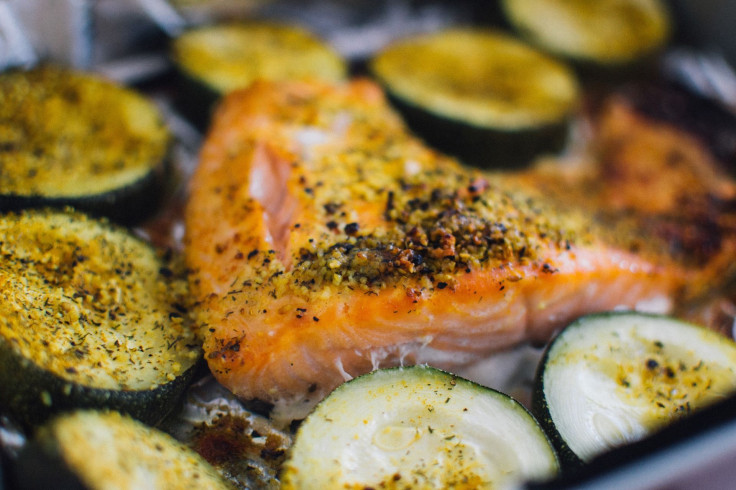
Omega-3 and essential fatty acids are good, healthy fats that assist in preventing heart disease, joint pain, mental health issues, and inflammation. People typically consume most of omega fats from vegetable oil, however this is omega 6, and omega 3. Omega 3s are found in wild-caught fish, quality fish and krill oil, avocado, and olive oil.
The ideal anti inflammatory ratio of omega 6 to omega 3 is 1:1, currently the average American diet contains a ration of 20:1. With significant research demonstrating omega-3 fatty acids reduce inflammation and prevent significant health issues like diabetes and heart disease, it is recommended that 1,000 mg is consumed twice a day.
Inflammation contributes to many preventable health conditions, including diabetes and heart disease. Make sure you eat a diet is rich in anti-inflammatory foods, including avocados, fish, oranges, lemons, and ginger - and prevent these dangerous health conditions.