


Placebo Effect Neuroscience Shows How Expectation and Endorphins Influence the Brain Body Connection
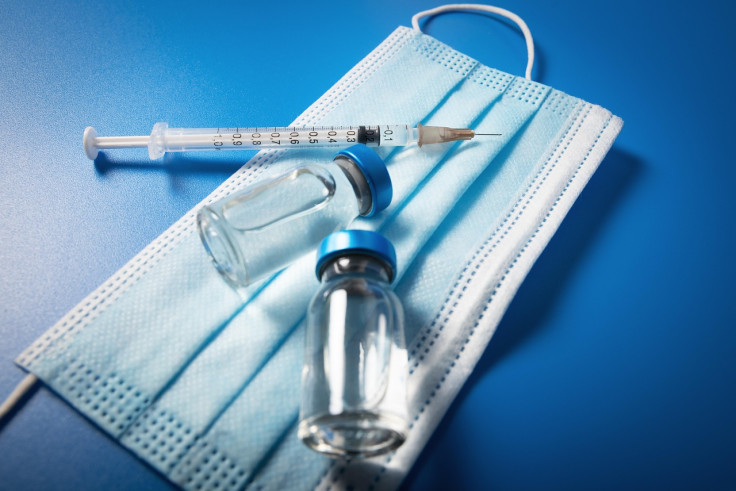
The placebo is one of the clearest examples of how expectation can shape physical health. Even without active ingredients, a placebo can trigger real changes in the body, from pain relief to improved mood.
This phenomenon, known as the placebo effect, highlights a powerful brain, body connection, one where belief and biology interact in measurable ways.
What Is a Placebo?
A placebo is a treatment that contains no active medical component but is designed to resemble a real one. Common examples include sugar pills, saline injections, or sham procedures used in clinical trials.
Despite lacking therapeutic ingredients, a placebo can still produce noticeable improvements. This happens because the brain responds not just to the treatment itself, but to the context, such as trust in a doctor, prior experiences, and the expectation of healing.
What Is the Placebo Effect?
The placebo effect refers to real, measurable improvements in symptoms after receiving a placebo. It is not simply imagined. Research in placebo effect neuroscience shows that the brain undergoes actual changes during this process.
For instance, people given placebos for pain often report relief, and brain scans confirm reduced activity in pain-processing regions. Similar effects have been observed in depression and Parkinson's disease, where expectation influences mood and motor function.
This distinguishes the placebo effect from natural recovery. The improvement is driven specifically by belief and expectation.
How Expectation Shapes Healing
Expectation is central to the placebo effect. When individuals believe a treatment will work, the brain begins preparing for improvement. This anticipation can activate pathways linked to symptom relief.
Past experiences also reinforce this response. If someone associates pills with recovery, taking a similar-looking placebo can trigger a learned reaction. This is a form of conditioning.
The patient, doctor relationship further strengthens expectation. Clear communication, confidence, and a supportive environment can enhance outcomes. On the other hand, negative expectations may reduce effectiveness or even cause adverse symptoms, known as the nocebo effect.
The Neuroscience Behind the Placebo Effect
Placebo effect neuroscience identifies several brain regions involved in this process. The prefrontal cortex helps form expectations, while the anterior cingulate cortex plays a role in pain regulation and emotional processing.
Brain imaging studies show that placebos can activate the same neural pathways as real drugs. When a person expects relief, the brain can suppress pain signals and alter perception, according to Harvard Health.
These findings highlight the brain, body connection. Thoughts and beliefs are not separate from physical processes, they actively influence them.
The Role of Endorphins and Brain Chemistry
Endorphins are a key part of how placebos work. These natural chemicals act as the body's built-in painkillers. When expectation is high, the brain may release endorphins, reducing discomfort.
This has been demonstrated using naloxone, a drug that blocks opioid receptors. When naloxone is given, placebo-induced pain relief is reduced, showing that endorphins play a direct role.
Other chemicals, such as dopamine, are also involved. Dopamine affects motivation and reward, reinforcing positive expectations and enhancing the overall effect.
The Brain, Body Connection Explained
The placebo effect offers strong evidence of the brain, body connection. Mental states like belief and expectation can influence physical systems, including pain perception, immune response, and hormone activity.
The nervous system, endocrine system, and immune system all interact in this process. Psychological signals can alter inflammation, stress levels, and even healing rates.
This connection also explains psychosomatic responses, where mental factors produce real physical outcomes. Rather than being "imaginary," these effects are rooted in biological changes.
Real-World Applications of the Placebo Effect
Placebos play a critical role in clinical trials, helping researchers determine whether treatments are truly effective. Without them, it would be difficult to separate drug effects from expectation, as per Cleveland Clinic.
In healthcare, the placebo effect can improve outcomes when used ethically. Positive communication, trust, and supportive care environments can enhance treatment effectiveness.
Some therapies, such as cognitive behavioral therapy, indirectly use placebo-like mechanisms by reshaping expectation and perception to reduce symptoms.
Limitations and Misconceptions
The placebo effect is not a cure-all. It works best for subjective symptoms like pain or fatigue and cannot treat serious diseases such as infections or cancer.
It is also incorrect to view placebo responses as "just psychological." Placebo effect neuroscience shows measurable changes in brain activity and chemistry, including the release of endorphins.
However, its impact should not be overstated. Placebos can complement treatment but not replace evidence-based medicine.
Why the Placebo Effect Reveals the Power of the Brain, Body Connection
The placebo effect demonstrates that expectation, endorphins, and brain activity are deeply linked within the brain, body connection. What people believe about a treatment can influence how their body responds, sometimes in surprisingly powerful ways.
Rather than being a medical curiosity, the placebo offers insight into how perception and biology work together, showing that even simple expectations can shape real health outcomes.
Frequently Asked Questions
1. Can the placebo effect work if someone knows it's a placebo?
Yes, in some cases. Studies on "open-label placebos" show that even when people know they're taking a placebo, expectation and context can still trigger symptom relief.
2. How long does the placebo effect usually last?
It varies. The effect can be short-term for some symptoms like pain, but longer-lasting if reinforced by repeated positive experiences or ongoing expectation.
3. Do children and animals experience the placebo effect?
Children can, especially due to suggestion and trust. Animals may show placebo-like responses, often influenced by changes in owner behavior or environment.
4. What is the difference between placebo and nocebo effects?
The placebo effect leads to positive outcomes from expectation, while the nocebo effect causes negative symptoms due to fear or negative beliefs about a treatment.
Published by Medicaldaily.com


