


Prediabetes Signs You Should Never Ignore: Early Diabetes Symptoms Years Before Diagnosis
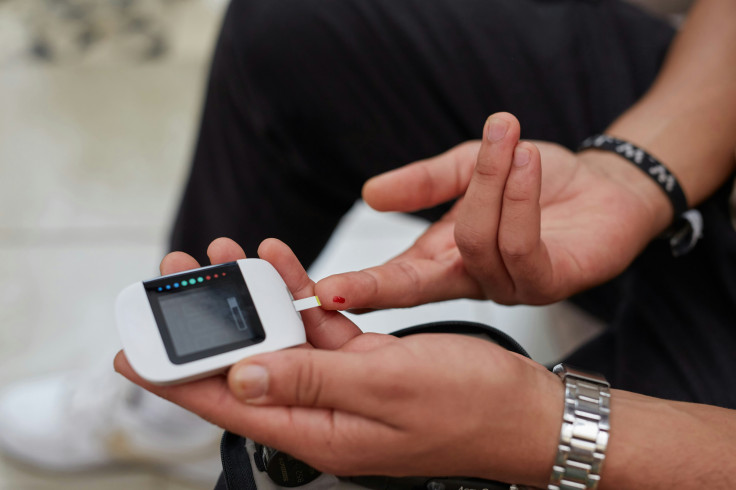
Prediabetes is a condition where blood sugar levels are elevated, but not yet high enough to qualify as diabetes. Many people remain unaware they have prediabetes because early warning signs are often subtle or easily dismissed. Recognizing prediabetes signs early—when the body first begins to struggle with glucose regulation—can give individuals a chance to reverse the trend before full-blown diabetes develops.
Spotting early diabetes symptoms and blood sugar warning signs can lead to timely lifestyle changes, better monitoring, and professional intervention. This awareness becomes especially important as uncontrolled blood sugar levels, even in prediabetes, can quietly damage the body over time.
Common Early Diabetes Symptoms to Watch For
Some of the more noticeable early symptoms of elevated blood sugar mirror those of diabetes itself. These include:
- Increased thirst and frequent urination — When blood glucose rises, the kidneys work harder to filter out excess sugar, causing the body to excrete more water. This imbalance leads to dehydration, prompting frequent urges to drink and urinate. According to the Mayo Clinic, people with prediabetes may notice persistent thirst and frequent urination even before a diabetes diagnosis.
- Fatigue and blurred vision — Because cells become less responsive to insulin, glucose can't enter cells efficiently for energy. The resulting energy shortage triggers fatigue, even after normal rest. Blurred vision can occur as elevated glucose affects fluid levels in the lens of the eye.
- Unexplained hunger and weight changes — Insulin resistance can impair the body's ability to use glucose properly, leading to persistent hunger despite adequate food intake. Some people may gain weight, while others might experience unintended weight changes.
Recognizing these as early diabetes symptoms is important—especially if they occur together or persist.
Blood Sugar Warning Signs That Indicate Prediabetes
Beyond the more obvious symptoms, prediabetes can also manifest through less obvious—but still significant—physical changes. Watch for the following blood sugar warning signs:
- Darkened skin patches (Acanthosis Nigricans) — This condition causes velvety, darkened skin on the neck, armpits, groin, or other folds. Because it signals insulin resistance, it's one of the more visible prediabetes signs.
- Tingling or numbness in hands or feet — Early nerve irritation or damage may occur due to chronically elevated blood sugar levels, even before full diabetes develops. This can feel like tingling, "pins and needles," or numbness.
- Slow-healing wounds and increased infections — High blood sugar can impair immune function and circulation, slowing down wound healing and increasing susceptibility to infections or skin problems.
Based on information from the Cleveland Clinic, several physical changes can reveal that blood sugar has been elevated for months—or even years. Because these symptoms may appear years before any formal diagnosis, they offer an early window for intervention.
Prevention, Early Detection, and When to Seek Medical Help
Because prediabetes often has no obvious symptoms, regular screening is important if risk factors are present — such as overweight/obesity, sedentary lifestyle, family history of diabetes, or metabolic syndrome. According to the National Institute of Diabetes and Digestive and Kidney Diseases , early detection and preventive strategies significantly reduce the risk of progressing to type 2 diabetes.
Preventive measures start with lifestyle changes. A balanced diet rich in vegetables, lean protein, whole grains, and low-sugar foods helps stabilize blood sugar. Exercise—particularly walking, strength training, or cycling—improves insulin sensitivity and helps the body use glucose more efficiently. Maintaining a healthy weight also plays a crucial role in regulating blood sugar levels.
Monitoring symptoms is essential. If individuals notice signs such as fatigue, increased thirst, dark skin patches, or slow-healing wounds, they should request a blood test. The most common tests include the A1C test, fasting glucose test, and oral glucose tolerance test. These tests help confirm whether someone is experiencing prediabetes. Knowing when to seek medical help can prevent serious complications. If symptoms worsen or persist, or if an individual has risk factors such as obesity, family history, or gestational diabetes, early evaluation is recommended. Health professionals can also guide patients through lifestyle changes and, in some cases, prescribe medications to help control blood sugar.
Conclusion
Prediabetes often develops quietly, with prediabetes signs and blood sugar warning signs appearing years before diagnosis. By paying attention to early symptoms — increased thirst, frequent urination, fatigue, skin changes, slow healing, or tingling — individuals can catch metabolic changes early. Regular screening and timely early diabetes symptoms detection give a critical window for lifestyle intervention. Adopting healthier habits — a balanced diet, regular exercise, maintaining weight, managing stress — can often reverse prediabetes and prevent the onset of full-blown type 2 diabetes. The sooner you act, the better your chances of staying healthy, avoiding complications, and protecting your long-term well-being.
Frequently Asked Questions
1. Can prediabetes be reversed with lifestyle changes?
Yes — many people with prediabetes can reverse glucose abnormalities through healthy eating, regular exercise, and weight loss, preventing progression to type 2 diabetes.
2. How often should blood sugar be tested if prediabetes is suspected?
If you have risk factors or experience warning signs, it's wise to get tested annually or more frequently, as advised by your healthcare provider.
3. What diet and exercise routines help prevent progression to diabetes?
A diet high in vegetables, fiber, whole grains, lean protein, and low in processed foods and sugar helps stabilize blood sugar. Pairing that with regular moderate-intensity exercise (e.g., brisk walking, cycling, swimming) for at least 150 minutes per week is highly effective.
4. Are there medications recommended for prediabetes management?
Lifestyle interventions remain the first-line approach, but some doctors may prescribe medications to help control blood sugar if lifestyle changes alone are insufficient — especially for individuals at high risk or with additional health conditions.
Published by Medicaldaily.com


