


Why Delayed Muscle Soreness Peaks After Two Days and What It Means for Post‑Workout Recovery
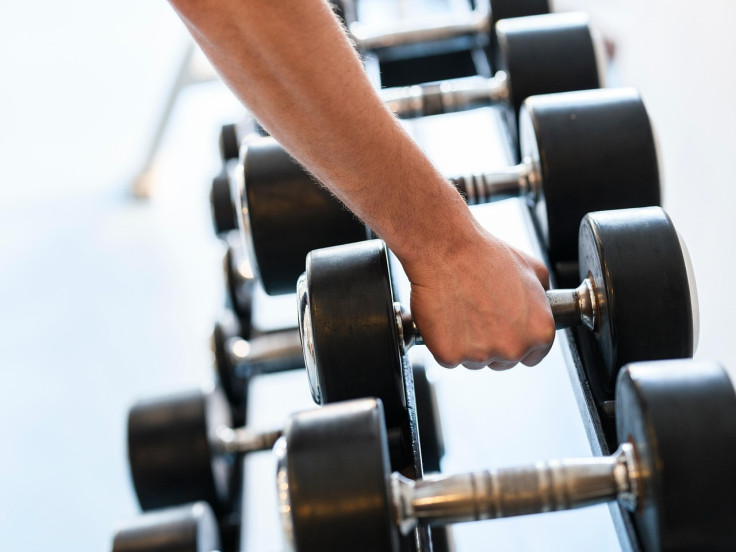
Muscle soreness is a familiar experience for anyone who exercises, especially after trying a new routine or increasing intensity. While it may seem counterintuitive, the discomfort often feels strongest not immediately after a workout, but one or two days later.
This phenomenon, known as delayed-onset muscle soreness (DOMS), is closely tied to inflammation and the body's natural repair process. Understanding why soreness peaks later can help individuals manage post‑workout recovery more effectively and train smarter.
What Is Muscle Soreness?
Muscle soreness refers to the discomfort or pain felt in muscles after physical activity. It can range from mild stiffness to more intense tenderness that limits movement. There are two main types of soreness.
Acute soreness occurs during or immediately after exercise due to fatigue and the buildup of metabolic byproducts. In contrast, delayed muscle soreness develops hours later and tends to peak between 24 and 72 hours.
This delayed response is not a sign of injury but rather a reaction to microscopic damage in muscle fibers. When muscles are challenged beyond their usual workload, tiny tears form within the tissue. These microtears trigger a repair process that ultimately strengthens the muscle over time.
What Is DOMS (Delayed Onset Muscle Soreness)?
Delayed-onset muscle soreness, commonly referred to as DOMS, is the stiffness and pain that appear hours after exercise. It is especially common after unfamiliar movements or exercises that emphasize eccentric contractions, such as lowering weights or running downhill.
DOMS typically begins within 12 to 24 hours after activity and peaks around 48 hours. This delayed muscle soreness is closely linked to inflammation, as the body sends immune cells to repair the damaged tissue. The resulting swelling and chemical signals contribute to the sensation of soreness.
Why Do You Feel More Sore Two Days Later?
The reason soreness intensifies two days after a workout lies in the timing of the body's repair mechanisms. Immediately after exercise, the damage to muscle fibers has occurred, but the inflammatory response is just beginning. Over the next 24 to 48 hours, inflammation increases as immune cells migrate to the affected area, according to Harvard Health.
During this period, substances such as cytokines and prostaglandins are released. These chemicals heighten sensitivity in nerve endings, making movements feel more painful. As inflammation peaks, so does soreness. This is why many individuals feel the most discomfort a full two days after exercising.
Eccentric movements play a major role in this process. Activities that involve lengthening the muscle under tension create more microdamage, leading to a stronger inflammatory response and more noticeable DOMS.
The Role of Inflammation in Muscle Soreness
Inflammation is often viewed negatively, but it plays a critical role in muscle recovery. When muscle fibers are damaged, the body initiates an inflammatory response to remove debris and begin rebuilding tissue. White blood cells enter the area, clearing out damaged cells and releasing signals that promote healing.
While inflammation contributes to soreness, it is also essential for adaptation. Without this process, muscles would not repair or grow stronger. The key is balance—excessive inflammation can prolong discomfort, but a moderate response supports effective post‑workout recovery.
What Happens Inside Your Muscles After a Workout?
After intense exercise, several biological processes occur within muscle tissue. First, microtears form in the muscle fibers due to mechanical stress. Next, satellite cells—specialized cells responsible for muscle repair—activate and begin rebuilding the damaged areas.
Protein synthesis increases during this phase, allowing the muscle fibers to repair and become thicker and stronger. This process is what leads to improved strength and endurance over time. However, it also coincides with inflammation and fluid accumulation, which contribute to soreness.
Proper post‑workout recovery supports these internal processes. Adequate nutrition, hydration, and rest ensure that the body has the resources it needs to repair efficiently.
Is Muscle Soreness a Sign of a Good Workout?
A common belief is that soreness indicates an effective workout. While DOMS can signal that muscles were challenged, it is not the only measure of progress. Strength gains and endurance improvements can occur without significant soreness, especially as the body adapts to regular training.
Excessive soreness may even suggest that the workout was too intense or that recovery strategies were insufficient. A balanced approach focuses on consistent progress rather than on chasing discomfort, according to the World Health Organization.
How Long Does DOMS Last?
Delayed muscle soreness usually lasts between three and five days. The intensity and duration depend on several factors, including exercise intensity, fitness level, and whether the activity is new.
Beginners or those returning after a break often experience more pronounced DOMS. Over time, the body adapts through a process known as the repeated-bout effect, which reduces the severity of soreness during similar activities.
How Can You Reduce Muscle Soreness?
Managing soreness involves supporting the body's recovery process rather than eliminating it entirely. Light movement, such as walking or gentle stretching, can improve blood flow and reduce stiffness. Hydration and proper nutrition also play a key role, as muscles require fluids and nutrients to repair.
Foam rolling and massage may help alleviate tightness by promoting circulation. Adequate sleep is another essential factor, as many repair processes occur during rest. These strategies contribute to more effective post‑workout recovery and may reduce the intensity of DOMS.
Should You Work Out When Sore?
Exercising while experiencing mild soreness is generally safe, provided the discomfort is not severe or localized in a way that suggests injury. Light activity can even help reduce stiffness by increasing circulation.
However, intense pain or reduced range of motion may indicate the need for rest. Alternating muscle groups or incorporating recovery days allows the body to heal while maintaining training consistency.
Best Methods for Post‑Workout Recovery
Effective post‑workout recovery involves a combination of strategies that support muscle repair and reduce excessive inflammation. Consuming protein helps rebuild muscle fibers, while carbohydrates replenish energy stores. Staying hydrated supports overall cellular function.
Cold therapy may reduce inflammation and numb soreness, while heat therapy can relax muscles and improve blood flow. Compression garments and massage tools are also commonly used to enhance recovery.
The most effective approach often combines several of these methods, tailored to individual needs and activity levels.
When to Worry About Muscle Pain
Not all muscle pain is related to delayed muscle soreness. Sharp, persistent pain or swelling may indicate an injury rather than normal DOMS. Loss of strength, limited mobility, or pain that worsens over time should not be ignored.
In such cases, seeking medical advice can help prevent further damage and ensure proper treatment.
Why Understanding Soreness Improves Post‑Workout Recovery
Understanding the science behind soreness, DOMS, and inflammation provides valuable insight into how the body adapts to exercise. Delayed muscle soreness is not simply a sign of strain but a reflection of the repair and strengthening process.
By recognizing why soreness peaks days after activity and adopting effective post‑workout recovery strategies, individuals can train more consistently and reduce unnecessary discomfort while still progressing toward their fitness goals.
Frequently Asked Questions
1. Can supplements help reduce muscle soreness?
Certain supplements, such as omega‑3 fatty acids, creatine, and tart cherry extract, may help reduce inflammation and support post‑workout recovery, though results vary.
2. Does age affect how you experience DOMS?
Yes, older adults may experience longer recovery times due to slower muscle repair and reduced tissue elasticity.
3. Why do some workouts cause more soreness than others?
Workouts that involve new movements or emphasize eccentric contractions tend to create more microdamage, leading to increased DOMS.
4. Can dehydration make muscle soreness worse?
Yes, dehydration can impair circulation and nutrient delivery, which may intensify soreness and slow down recovery.
Published by Medicaldaily.com


