


COPD Management Guide: Pursed Lip Breathing, Pulmonary Rehab & Lung Exercises
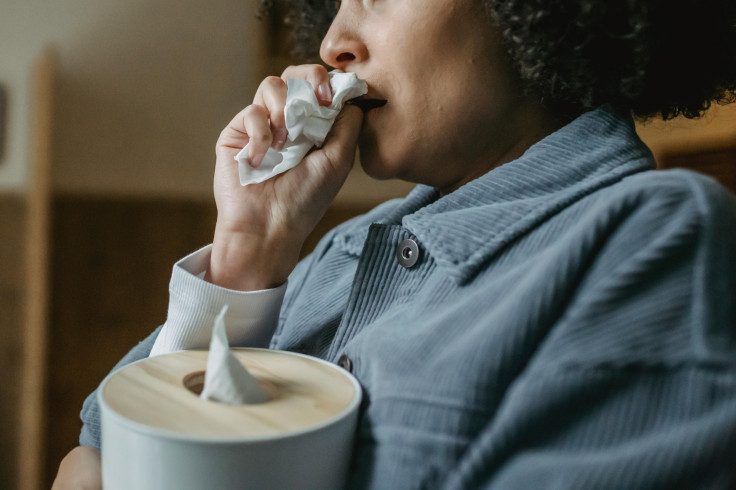
Living with COPD can make even simple activities feel exhausting. Conditions like chronic bronchitis and emphysema affect airflow, making breathing more difficult over time. The good news is that structured techniques such as pursed lip breathing and targeted lung capacity exercises can help improve breathing efficiency and overall quality of life.
Managing COPD isn't just about medication—it's about daily habits, consistent exercise, and proper support. From pulmonary rehabilitation programs to at-home breathing routines, small changes can lead to meaningful improvements. This guide walks through practical methods to help you breathe easier, move better, and maintain independence.
What Is COPD and How Does It Affect Breathing?
Chronic Obstructive Pulmonary Disease (COPD) is a long-term lung condition that makes it difficult to breathe due to restricted airflow. It commonly includes conditions like chronic bronchitis, which causes mucus buildup and inflammation, and emphysema, which damages the air sacs in the lungs. Over time, these changes reduce the lungs' ability to exchange oxygen efficiently, leading to symptoms such as shortness of breath, coughing, and fatigue.
As COPD progresses, the airways become narrower and less flexible, making it harder to fully exhale air from the lungs. This can cause air trapping, leaving less room for fresh oxygen with each breath. Everyday activities like walking or climbing stairs may become more challenging, especially without proper management. While COPD is a chronic condition, early care and consistent strategies can help slow progression and improve quality of life.
How Pursed Lip Breathing Aids Emphysema Treatment
Pursed lip breathing is a simple yet effective technique used in emphysema treatment to improve airflow and reduce breathlessness. It involves inhaling through the nose for about two seconds, then exhaling slowly through pursed lips for 4–6 seconds. This controlled breathing helps prevent airway collapse and reduces air trapping, making each breath more efficient and easier to manage.
For individuals with chronic bronchitis, this method can slow breathing and improve oxygen levels over time. Practicing for 5–10 minutes daily, along with lung capacity exercises, supports stronger respiratory muscles and better airflow. Placing a hand on the abdomen while breathing can also encourage proper diaphragmatic movement. According to the Cleveland Clinic, pursed lip breathing helps release trapped air from the lungs and improves ventilation, making it a key technique for COPD symptom management.
What Pulmonary Rehab Exercises Build Lung Capacity
Pulmonary rehabilitation is a key part of improving lung function and managing COPD effectively. It combines structured exercise, breathing techniques, and education to support better daily performance. Based on a study conducted by the National Institutes of Health (NIH), pulmonary rehabilitation significantly improves exercise capacity and quality of life in COPD patients.
- Aerobic Exercise Training – Activities like treadmill walking or cycling for 20–40 minutes at moderate intensity help improve endurance and oxygen utilization over time.
- Strength Training for Upper Body – Using resistance bands or light weights strengthens muscles that support breathing, reducing fatigue during daily tasks.
- Respiratory Muscle Training – Specialized breathing devices improve inspiratory strength, making each breath more efficient and less effortful.
- Airway Clearance Techniques – Controlled coughing and huffing help remove mucus buildup, reduce airway resistance, and improve airflow.
- Balance and Coordination Exercises – Gentle movements and practices like tai chi enhance stability, reduce fall risk, and improve overall mobility.
Which COPD Management Nutrition Supports Rehab Progress?
Nutrition is a critical part of COPD management, especially during rehabilitation, as the body uses more energy just to breathe. Maintaining adequate calorie intake—around 30–35 kcal per kilogram of body weight—helps support daily function and prevents weight loss. Sufficient protein is also important for preserving muscle mass and aiding recovery, especially for those undergoing long-term treatment.
Hydration plays a key role in supporting lung capacity exercises by helping thin mucus, making it easier to clear from the airways. Drinking 2–3 liters of water daily can improve breathing comfort, while an anti-inflammatory diet rich in omega-3 fatty acids may further support respiratory health. According to the National Heart, Lung, and Blood Institute (NHLBI), proper nutrition and hydration are essential for COPD patients, as they support energy needs, muscle strength, and overall lung health.
Home Exercise Programs Maintenance Strategies
Maintaining progress at home is essential for long-term COPD improvement. Simple daily routines can help sustain lung function and support better breathing. With consistency and the right approach, home programs can be just as effective as structured rehabilitation.
- Daily Breathing Exercises – Practicing pursed lip breathing for about 10 minutes helps control breathing, reduce breathlessness, and improve airflow.
- Light Aerobic Activity – Walking for around 30 minutes at a comfortable pace supports endurance and overall lung function.
- Oxygen Level Monitoring – Keeping SpO2 levels within the 88–92% range ensures safe and effective exercise without overexertion.
- Consistency Over Intensity – Regular, moderate routines are more effective than occasional intense efforts for managing chronic bronchitis and emphysema treatment.
- Tele-Rehabilitation Support – Virtual programs provide guidance, structure, and accountability, helping individuals stay on track at home.
- Balanced Routine – Combining breathing exercises, physical activity, and proper rest helps maintain progress and prevent setbacks.
- Long-Term Habit Building – Consistent daily practices improve independence, making everyday activities easier over time.
COPD Pulmonary Rehab Lung Capacity Exercise Guide
Managing chronic bronchitis and emphysema requires a combination of consistent effort and practical strategies. By integrating lung capacity exercises, structured routines, and proper nutrition, individuals can improve breathing efficiency and overall quality of life. Techniques like pursed lip breathing and participation in pulmonary rehabilitation offer real, measurable benefits when practiced regularly.
Small, consistent actions make a big difference. Whether it's maintaining a daily breathing routine or staying active through guided exercise, these steps support long-term COPD management. With the right approach, it's possible to move more comfortably, reduce symptoms, and maintain independence over time.
Frequently Asked Questions
1. What is pursed lip breathing and how does it help COPD?
Pursed lip breathing is a technique that slows down breathing and keeps airways open longer. It helps release trapped air from the lungs and improves oxygen exchange. This can reduce shortness of breath during activity. It is commonly used in COPD management for daily symptom control.
2. How often should I do lung capacity exercises?
Most people benefit from doing lung capacity exercises daily. Sessions can last around 5–10 minutes and be repeated multiple times a day. Consistency is more important than intensity. Over time, this helps strengthen breathing muscles and improve endurance.
3. What is included in pulmonary rehabilitation programs?
Pulmonary rehabilitation includes exercise training, breathing techniques, and education. It often involves aerobic workouts, strength training, and respiratory muscle exercises. Patients also receive guidance on nutrition and lifestyle changes. These programs are designed to improve overall lung function and quality of life.
4. Can diet really affect COPD symptoms?
Yes, diet plays a significant role in managing COPD symptoms. Proper nutrition provides the energy needed for breathing and daily activities. Hydration helps keep mucus thin and easier to clear. A balanced diet also supports muscle strength and recovery.
Published by Medicaldaily.com


