





Dermatologist‑Grade Acne Treatments: Retinoids, Benzoyl Peroxide, and Antibiotics Explained
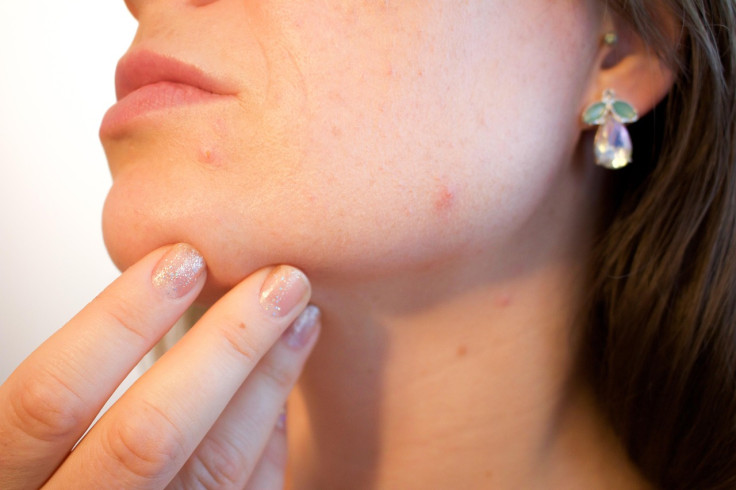
Acne affects millions of people across all age groups, from teenagers to adults, and finding the right treatment often means navigating a wide range of products and claims.
Dermatologist‑grade skincare focuses on medical‑strength formulations that go beyond typical over‑the‑counter options, providing more targeted, clinically proven results. Within this advanced approach, three leading therapies stand out: retinoid acne treatments, benzoyl peroxide, and topical acne antibiotics.
Understanding how these prescription‑strength ingredients work can help individuals make more informed choices or discuss options confidently with their dermatologist.
What Are Dermatologist‑Grade Acne Treatments?
Dermatologist‑grade skincare refers to formulations that contain active ingredients at higher concentrations than those found in most store‑bought products. These treatments are typically supported by clinical data and are often available through a dermatologist's prescription.
Unlike standard skincare items that focus mainly on surface cleansing, prescription acne therapy targets the root causes of acne, oil production, bacterial growth, and clogged pores, on a cellular level.
Over‑the‑counter products can be effective for mild breakouts, but persistent or severe acne often requires dermatologist‑grade skincare. This level of care ensures that treatments are tailored to an individual's skin type and sensitivity, reducing unnecessary irritation and improving long‑term outcomes.
How Retinoid Acne Treatments Work
Retinoids are derivatives of vitamin A and are widely recognized as one of dermatology's most effective tools against acne and signs of aging.
Retinoid acne treatments promote skin cell turnover, helping prevent clogged pores and the formation of comedones (blackheads and whiteheads). By encouraging faster skin renewal, they also reduce the appearance of scars and improve overall texture.
Common retinoids include tretinoin, adapalene, and tazarotene. While all work on similar principles, their potency and irritation potential vary. Adapalene, for example, is often recommended for beginners because of its relatively mild profile.
Meanwhile, tretinoin and tazarotene are stronger options frequently prescribed in prescription acne therapy regimens.
Most users notice improvements within a few weeks, though full results typically require consistency over several months. Initial dryness or mild peeling can occur, an expected temporary adjustment phase known as "retinization."
To minimize irritation, dermatologists often recommend applying retinoids at night and pairing them with gentle moisturizers. Sun protection is also essential since retinoids make the skin more photosensitive.
Why Benzoyl Peroxide Is So Effective Against Acne
Among dermatologist‑approved treatments, benzoyl peroxide remains one of the most versatile and time‑tested ingredients.
It works by killing Cutibacterium acnes (the bacteria responsible for inflammatory acne) and by helping reduce excess oil and dead skin buildup that can clog pores. Beyond its antibacterial action, benzoyl peroxide also decreases inflammation, making it ideal for both inflammatory and non‑inflammatory acne types.
It is available in various formats, gels, cleansers, and creams, and comes in different concentrations, usually between 2.5% and 10%. Lower strengths tend to be just as effective as higher ones but cause less irritation, making them suitable for sensitive skin.
When combining benzoyl peroxide with retinoids, dermatologists typically advise using them at different times of the day, benzoyl peroxide in the morning and the retinoid at night.
This separation helps prevent ingredient degradation and skin irritation. Since drying is a common side effect, maintaining good moisture balance with a non‑comedogenic moisturizer can further enhance tolerance.
Understanding Topical Acne Antibiotics
Topical acne antibiotics play an important role in prescription‑based acne management. These treatments target skin bacteria that contribute to inflammation and infection within pores, according to the American Academy of Dermatology.
Clindamycin and erythromycin are two of the most widely prescribed topical antibiotic options, helping reduce bacterial load and prevent new breakouts from forming.
Dermatologists rarely use antibiotics alone; they are often prescribed in combination with other agents, such as benzoyl peroxide or retinoid acne treatments. Pairing antibiotics with benzoyl peroxide reduces the likelihood of antibiotic resistance, a growing concern in dermatology.
Retinoids, on the other hand, enhance the penetration and effectiveness of antibiotics, promoting faster results and better control of inflammatory acne.
While topical acne antibiotics can be highly effective in the short term, long‑term dependency is discouraged. They are best utilized as part of a targeted prescription acne therapy plan under professional supervision.
Combining Retinoids, Benzoyl Peroxide, and Antibiotics
Many dermatologists recognize that acne's multifactorial causes, bacteria, excess oil, clogged pores, and inflammation, require a multi‑angle approach. Combining retinoid acne treatments, benzoyl peroxide, and topical acne antibiotics often leads to more noticeable and faster improvements than relying on a single product.
Combination therapy also helps minimize bacterial resistance. For example, benzoyl peroxide breaks down bacterial defenses, allowing antibiotics to work more effectively. Meanwhile, retinoid acne treatments keep pores clear so that the other medications can better penetrate the skin.
Modern formulations frequently combine these agents into single products for convenience and stability, such as adapalene plus benzoyl peroxide gels or clindamycin plus benzoyl peroxide creams.
Dermatologists typically recommend introducing one active at a time, building up tolerance gradually to prevent irritation or excessive dryness.
Applying these ingredients in the right sequence matters. A typical regimen may include a gentle cleanser, benzoyl peroxide in the morning, and a retinoid at night. Antibiotics (if prescribed) are generally applied once or twice daily, depending on strength and skin response.
When to See a Dermatologist for Prescription Acne Therapy
While mild acne can often be managed with drugstore products containing salicylic acid or low-strength benzoyl peroxide, moderate to severe acne, especially that which leaves scars or persists beyond several months, may require prescription acne therapy.
Dermatologists can tailor treatment plans to a person's unique skin type, acne severity, and lifestyle. For instance, those with sensitive or dry skin might receive milder retinoids, while individuals with oil‑prone skin may benefit from higher concentrations or dual-action formulas, as per Cleveland Clinic.
Professional guidance ensures that activities are introduced safely and effectively, reducing the risk of unnecessary irritation. Dermatologists also monitor progress and adjust the regimen if side effects occur or improvement stalls.
Beyond medical treatments, they often provide practical advice about skincare routines, diet, and stress management, factors that can influence acne severity.
Expert Tips for Safe and Effective Use
While dermatologist‑grade skincare offers powerful results, proper use determines success. Dermatologists generally recommend starting slowly with potent actives, allowing the skin time to adjust.
Applying products to clean, fully dry skin and using only pea‑sized amounts of strong formulations like retinoid acne treatments can prevent over‑irritation.
A broad‑spectrum sunscreen is vital when using retinoids or benzoyl peroxide, as these ingredients make the skin more sensitive to UV rays. Incorporating a mild, non‑comedogenic moisturizer daily can help maintain barrier strength, prevent flakiness, and improve comfort.
Consistency is key, most prescription acne therapy results appear after several weeks, not days. Discontinuing treatment prematurely can lead to relapse or resistance, especially in the case of topical acne antibiotics.
Clearer Skin Starts With Smarter Treatment Choices
When breakouts resist traditional remedies, leveraging dermatologist‑grade skincare can make a profound difference. Therapies involving retinoid acne treatments, benzoyl peroxide, and topical acne antibiotics target acne from multiple angles, addressing its underlying causes rather than merely masking symptoms.
Under professional supervision, these treatments form the foundation of effective prescription acne therapy that supports long‑term skin clarity, health, and confidence.
Frequently Asked Questions
1. Can retinoid acne treatments help with acne scars?
Yes. Retinoids boost cell turnover and collagen production, which can gradually fade post-acne marks and smooth uneven skin texture over time.
2. Is it safe to use benzoyl peroxide with niacinamide?
Generally, yes. Niacinamide can help reduce dryness or irritation caused by benzoyl peroxide, making the combination beneficial for sensitive skin.
3. Do topical acne antibiotics work for hormonal acne?
They can reduce inflammation but are less effective against hormonal triggers. Dermatologists often combine them with other treatments or oral medications for hormonal acne.
4. How long should someone stay on prescription acne therapy?
Most prescription acne therapy plans last several months, but exact duration depends on acne severity and skin response. Dermatologists usually reassess progress every 8–12 weeks.
Published by Medicaldaily.com


