


Evyatar Nitzany on Balancing Professional Life with Physical Activity
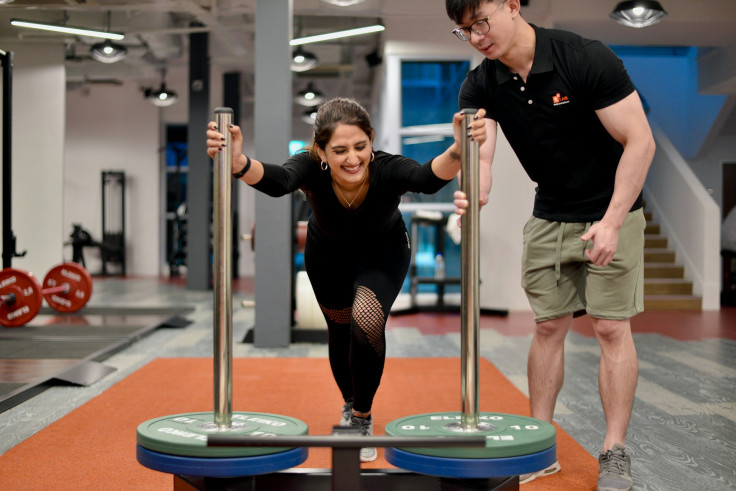
Staying active throughout the workday isn't just about fitness—it's about maintaining energy, focus, and long-term well-being. In today's work culture, where professionals are often glued to screens and tied to tight schedules, staying active can feel like a luxury rather than a necessity. As Evyatar Nitzany notes, even small efforts to incorporate more physical activity can lead to noticeable improvements in mood, productivity, and resilience.
The key lies in finding what works for your lifestyle and making it a consistent, yet flexible, part of your day. By shifting the mindset around physical activity and embracing even the simplest changes, professionals can foster a healthier work-life rhythm that supports their physical and mental health.
Why Staying Active Matters
Regular movement during the day supports physical health and mental clarity. Professionals who stay active often report feeling more alert and better able to manage stress throughout the day. Even light activity can help reduce the fatigue that builds up from sitting for long periods.
When physical activity is part of a daily routine, it can lead to better posture, improved focus, and greater job satisfaction. A simple walk during a lunch break or light stretching between meetings can make a noticeable difference in energy levels. Those who prioritize staying active tend to recover faster from mental fatigue and maintain a more balanced mood across high-pressure workdays.
Barriers for Busy Professionals
Busy schedules and demanding workloads often leave little room for physical activity. It's not uncommon for professionals to feel drained after long hours in front of a screen or in back-to-back meetings. The mental load of work can make even a short walk seem like an extra task rather than a break.
In many office settings, the atmosphere itself can discourage movement. Sitting for extended periods becomes the norm, especially when meetings are virtual or held back-to-back. Some workplaces also lack facilities or policies that encourage taking active breaks, leaving employees feeling stuck in sedentary routines.
Balancing personal responsibilities outside of work adds another layer of difficulty. Between commuting, family duties, and errands, finding time to move can feel like a luxury. Over time, this lack of regular activity can lead to fatigue, diminished motivation, and even minor health issues that get brushed aside.
Simple Ways to Add Physical Activity into the Workday
Active habits don't always require major changes—they often begin with small shifts in routine. Choosing to take the stairs instead of the elevator or walking during a phone call can break up long periods of sitting without disrupting workflow. These minor adjustments add up over the week. Even setting a timer to stand up every hour can make a difference in how the body feels.
Some find that brief activities between tasks help them reset mentally. A short walk around the building or even a few minutes of stretching at the desk can improve circulation and refresh focus. These quick breaks can often lead to a clearer mind and a more creative approach to problem-solving.
Incorporating activity into the workday can even make meetings more engaging. Standing discussions or walking meetings not only boost energy but also encourage more dynamic conversations. These alternatives help reduce the stiffness and sluggishness that often come with sitting all day.
Choosing Activities That Fit Your Lifestyle
The best kind of physical activity is the one that feels manageable and enjoyable within your daily routine. A person juggling early meetings might prefer a short yoga session at home, while someone with a free lunch hour could use that time for a brisk walk outdoors. The key is to align with your schedule, not work against it. Making the activity convenient increases the chances of sticking with it.
When selecting an activity, it helps to consider your energy levels throughout the day. Some thrive on early morning workouts, while others find their rhythm in the evening after the workday winds down. What matters most is creating a rhythm that feels natural and doesn't add stress to an already packed schedule.
Building Habits That Stick
Starting small often leads to lasting change. Aiming for consistency over perfection can be more effective in the long run. Setting a simple reminder on your phone or linking actions to an existing habit—like stretching after pouring your morning coffee—can make the new routine feel second nature.
Progress doesn't always come in leaps. Tracking through an app or journal can highlight patterns and boost motivation on days when energy feels low. When the routine is flexible and forgiving, it becomes easier to maintain through busy and unpredictable schedules.
Support from those around you makes a difference. When coworkers encourage short breaks or join in a lunchtime walk, staying active feels less like a solo effort and more like a shared norm.
Organizations that prioritize employee wellness are seeing the benefits of flexible schedules and active spaces. When leadership models healthy habits, others tend to follow.
Published by Medicaldaily.com


