


How Vaccines Use Antigens and Antibodies to Build Immune Memory Without Illness
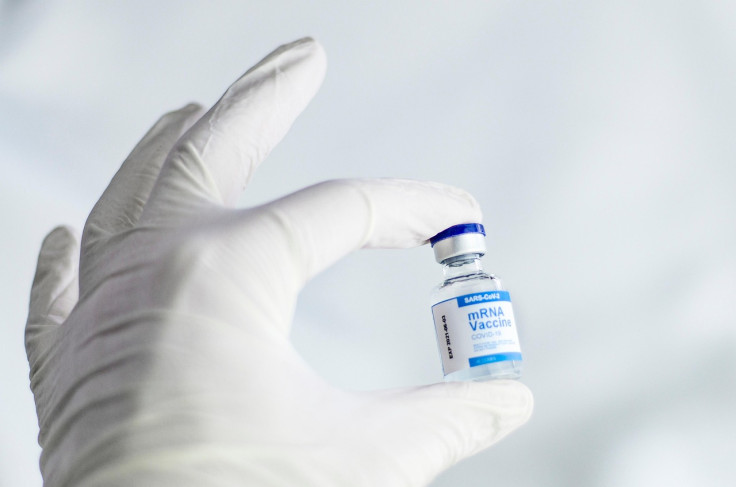
Vaccines play a critical role in protecting public health by teaching the body how to fight infections before they happen. Instead of exposing individuals to dangerous diseases, vaccines use carefully designed components to trigger immune training without illness.
This process relies on antigens, antibodies, and immune memory, allowing the immune system to respond quickly and effectively when real threats appear.
What Are Vaccines and How Do They Work?
Vaccines are biological preparations designed to prepare the immune system to recognize and fight harmful pathogens. They contain antigens, which are harmless pieces or weakened forms of viruses or bacteria that cannot cause disease but still stimulate an immune response.
When a vaccine enters the body, the immune system treats these antigens as foreign invaders. This triggers a defensive response similar to what would happen during an actual infection, but without the risks associated with getting sick. This is what makes vaccines a powerful tool for immune training without illness.
Different types of vaccines achieve this in slightly different ways:
- Live-attenuated vaccines use weakened forms of pathogens
- Inactivated vaccines contain killed organisms
- mRNA vaccines provide genetic instructions to produce antigens
- Subunit vaccines include only specific parts of a pathogen
What Are Antigens and Why Are They Important?
Antigens are substances that the immune system recognizes as foreign. In vaccines, antigens are carefully selected to mimic parts of harmful pathogens, such as proteins found on the surface of viruses.
These antigens are essential because they act as the "training material" for the immune system. Once detected, they activate immune cells and initiate the production of antibodies. Unlike real infections, vaccine antigens do not replicate or spread aggressively, making them safe for immune training without illness.
The key difference between vaccine antigens and actual pathogens lies in their behavior. While real pathogens invade and multiply, vaccine antigens simply introduce the immune system to what a threat looks like, allowing it to prepare defenses in advance.
How the Immune System Responds to Vaccines
When vaccines introduce antigens into the body, the immune system activates several layers of defense. White blood cells, including B cells and T cells, play a central role in identifying and responding to these antigens, according to Harvard Health.
B cells produce antibodies, which are specialized proteins designed to recognize and bind to specific antigens. T cells help coordinate the immune response and destroy infected cells if needed. Together, these components form a coordinated defense system.
This response may cause mild side effects such as soreness or fatigue, which are signs that the immune system is actively learning. Importantly, this process does not result in illness, reinforcing the concept of immune training without illness.
What Are Antibodies and How Do They Protect You?
Antibodies are proteins produced by the immune system to identify and neutralize harmful invaders. Each antibody is highly specific, meaning it targets a particular antigen.
After vaccination, antibodies circulate in the bloodstream, ready to act if the same pathogen enters the body. They can block pathogens from entering cells, mark them for destruction, or directly neutralize them.
The presence of antibodies is one of the most immediate benefits of vaccines. However, antibodies alone are not the full story, long-term protection depends on immune memory.
Immune Memory: The Key to Long-Term Protection
Immune memory is the reason vaccines provide lasting protection. After the initial exposure to antigens, the immune system creates memory B cells and memory T cells. These cells "remember" the pathogen and respond quickly if it appears again.
This rapid response often stops infections before symptoms develop. In some cases, booster shots are needed to strengthen immune memory and maintain high levels of protection over time.
Immune memory is a cornerstone of immune training without illness. It ensures that the body does not need to relearn how to fight the same pathogen repeatedly, making future responses faster and more efficient.
Immune Training Without Illness: Why Vaccines Are Safe
One of the most important benefits of vaccines is their ability to provide immune training without illness. By using controlled exposure to antigens, vaccines avoid the severe complications associated with natural infections, as per the World Health Organization.
Before approval, vaccines undergo extensive testing in clinical trials to ensure safety and effectiveness. Even after approval, they are continuously monitored for potential side effects.
Most side effects are mild and temporary, such as redness at the injection site or low-grade fever. These reactions are signs that the immune system is responding as expected. Serious side effects are rare and are carefully tracked by health authorities.
Benefits of Vaccines for Individuals and Communities
Vaccines provide protection at both individual and community levels. For individuals, they reduce the risk of severe illness, hospitalization, and complications. For communities, they contribute to herd immunity, which helps protect those who cannot be vaccinated.
Widespread vaccination has led to the control or elimination of many infectious diseases worldwide. This highlights the importance of vaccines not only as a personal health measure but also as a public health strategy.
Common Misconceptions About Vaccines
Despite strong scientific evidence, misconceptions about vaccines still exist. Some people believe vaccines can overwhelm the immune system or cause the diseases they aim to prevent. In reality, vaccines are designed to safely stimulate immune responses using controlled amounts of antigens.
Another common concern is that natural infection provides better immunity. While natural infection can lead to immune memory, it comes with significant risks, including severe illness and complications. Vaccines offer a safer path to achieving similar protection through immune training without illness.
Why Vaccines Are Essential for Immune Training Without Illness
Vaccines remain one of the most effective tools in modern medicine because they harness the body's natural defenses without exposing it to unnecessary danger. By introducing antigens, stimulating antibodies, and building immune memory, vaccines enable immune training without illness in a controlled and reliable way.
This process not only protects individuals but also strengthens communities by reducing the spread of infectious diseases. Understanding how vaccines work highlights their value in maintaining long-term health and preventing outbreaks before they begin.
Frequently Asked Questions
1. Do vaccines work immediately after getting them?
No, the immune system needs time, usually a few days to a few weeks, to produce antibodies and build immune memory after vaccination.
2. Why do some vaccines require multiple doses?
Multiple doses help strengthen immune memory and ensure the body produces enough antibodies for long-term protection.
3. Can vaccines still be effective if a disease is already rare?
Yes, vaccines help keep diseases rare by preventing outbreaks and maintaining community immunity.
4. Are vaccines effective for everyone?
Most people develop strong protection, but effectiveness can vary depending on age, health conditions, and immune response.
Published by Medicaldaily.com


