


Jet Lag Symptoms Shaped by Circadian Rhythm Mismatch and Melatonin Disruption in Time‑Zone Travel Fatigue
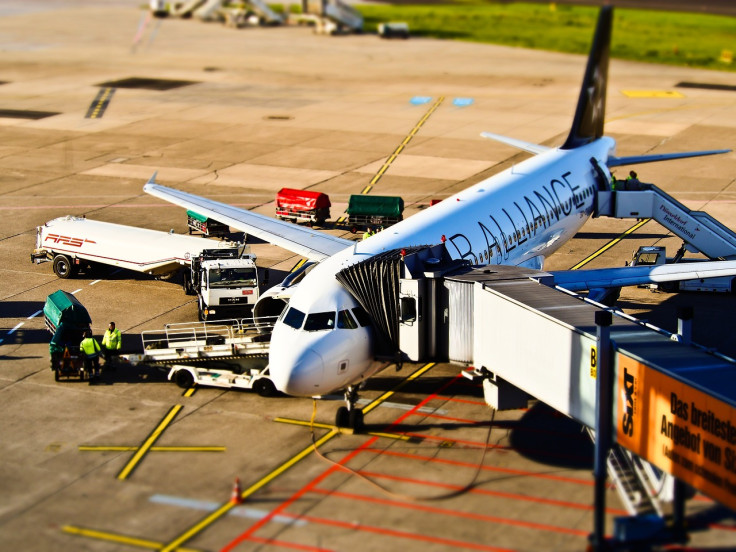
Jet lag is one of the most common challenges travelers face when crossing multiple time zones. More than simple tiredness, it reflects a circadian rhythm mismatch that disrupts sleep, energy levels, and mental clarity. This form of time‑zone travel fatigue occurs because the body cannot instantly adjust to a new local time, leaving internal systems temporarily out of sync.
What Is Jet Lag?
Jet lag is a temporary sleep disorder caused by rapid long-distance travel across time zones. The body's internal clock, or circadian rhythm, remains aligned with the original location, even after arrival in a new environment.
Common symptoms include fatigue, insomnia, poor concentration, and digestive issues. These effects stem from the body functioning on a schedule that no longer matches external time cues, creating a noticeable circadian rhythm mismatch.
How Time Zones Disrupt Your Circadian Rhythm
The circadian rhythm is a natural 24-hour cycle that regulates sleep and wake patterns. It responds primarily to environmental signals like light and darkness. When a person crosses several time zones quickly, this rhythm cannot immediately reset.
For example, someone arriving in a new country during the daytime may still feel ready for sleep if their body clock signals nighttime. This misalignment leads to time‑zone travel fatigue, affecting both physical and cognitive performance.
Travel direction also matters. Eastward travel is typically harder because it shortens the day, requiring the body to fall asleep earlier than usual. Westward travel extends the day, which is generally easier for the body to handle.
The Role of Light–Dark Cues in Jet Lag
Light exposure plays a central role in regulating the circadian rhythm. These light–dark cues signal when the body should be awake or asleep by influencing hormone production.
During travel, these cues become inconsistent. Exposure to daylight at the "wrong" time confuses the body's internal clock, delaying adjustment. Artificial light from screens can worsen the problem by suppressing natural sleep signals.
Managing light exposure is one of the most effective ways to reduce jet lag and speed up recovery.
Melatonin Disruption and Sleep Problems
Melatonin is a hormone that helps control sleep by responding to darkness. Jet lag often causes melatonin disruption, meaning the hormone is released at inappropriate times.
This can lead to feeling sleepy during the day and alert at night. As a result, travelers may struggle with insomnia and poor-quality sleep. Even when sleep occurs, it may not be restorative, prolonging fatigue, according to the World Health Organization.
Symptoms of Time‑Zone Travel Fatigue
Time‑zone travel fatigue affects multiple aspects of health.
Physical symptoms include:
- Persistent tiredness and low energy
- Headaches and mild discomfort
- Digestive issues and appetite changes
Cognitive symptoms include:
- Difficulty focusing
- Slower thinking and reaction times
Emotional effects such as irritability and mood swings are also common, showing how jet lag impacts overall well-being.
How Long Does Jet Lag Last?
Recovery time depends on the number of time zones crossed. A general guideline is one day of adjustment per time zone.
For example, crossing five to six time zones may require nearly a week for full recovery. Factors like age, health, and exposure to proper light–dark cues can influence how quickly the body adapts.
Why Is Jet Lag Worse When Traveling East?
Jet lag is often more intense when traveling east because it requires shortening the body's natural cycle. Most people find it easier to stay awake longer than to fall asleep earlier.
This makes eastward travel more disruptive, increasing circadian rhythm mismatch and prolonging symptoms compared to westward trips.
How Can You Prevent or Reduce Jet Lag?
Although jet lag cannot be completely avoided, its effects can be minimized with simple strategies.
Effective approaches include:
- Gradually adjusting sleep schedules before departure
- Staying hydrated and limiting alcohol or caffeine
- Adapting to the destination's schedule immediately
Managing light–dark cues is especially important. Exposure to daylight during local daytime and reducing light at night helps reset the internal clock more quickly.
Does Melatonin Help with Jet Lag?
Melatonin supplements can help some travelers fall asleep more easily in a new time zone. When taken at the correct time, they support the body's natural sleep signals.
However, timing and dosage are important. Improper use can worsen melatonin disruption rather than improve it. Short-term use is generally considered safe, but frequent travelers may benefit from medical guidance, as per Harvard Health.
Tips to Reset Your Internal Clock Faster
Adapting quickly to a new time zone requires consistency and environmental support.
Helpful strategies include:
- Spending time outdoors to strengthen light–dark cues
- Eating meals according to local time
- Engaging in light physical activity
- Limiting naps to short durations
These habits help align the body's internal rhythm with the new environment.
Jet Lag Recovery: Managing Circadian Rhythm Mismatch Effectively
Jet lag highlights how closely the body depends on consistent timing and environmental signals. The combination of circadian rhythm mismatch, disrupted light–dark cues, and melatonin disruption creates the fatigue and discomfort associated with time‑zone travel fatigue.
By understanding these processes, travelers can take practical steps to recover faster. Adjusting light exposure, sleep habits, and daily routines makes it easier to overcome jet lag and restore balance after long-distance travel.
Frequently Asked Questions
1. Can jet lag affect appetite and eating patterns?
Yes, jet lag can disrupt hunger hormones, leading to irregular appetite, cravings, or digestive discomfort.
2. Is jet lag worse for children or adults?
It varies, but older adults may experience stronger or longer-lasting symptoms due to slower circadian adjustment.
3. Can exercise help reduce jet lag symptoms?
Light exercise can improve alertness and help reset the internal clock, especially when done during daylight hours.
4. Do shorter trips still cause jet lag?
Short trips across one or two time zones may cause mild symptoms, but they are usually less severe and resolve quickly.
Published by Medicaldaily.com


