


Wildfire Smoke Exposure for a Week and Its Impact on Lungs and Heart
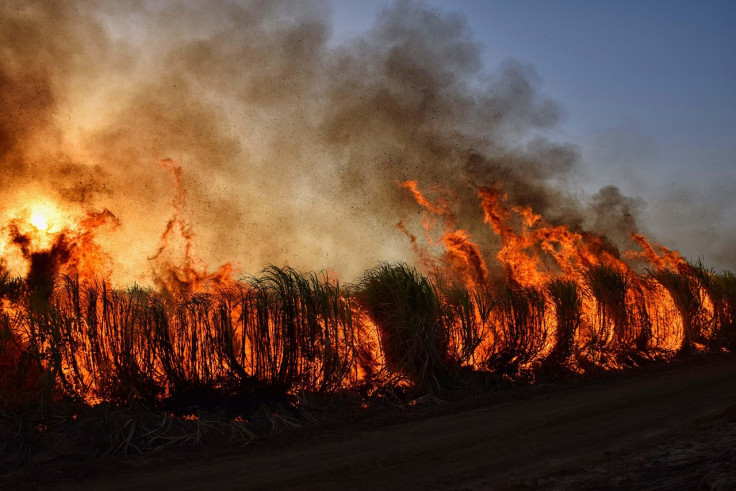
Wildfire smoke health is an increasing public concern as longer wildfire seasons expose more people to polluted air. Even one week of breathing wildfire smoke can affect both the lungs and heart, with effects that may last beyond visible haze. Understanding how wildfire, smoke, lungs, and heart health are connected helps explain why even short-term exposure matters.
What Is Wildfire Smoke Made Of?
Wildfire smoke contains a mix of gases and fine particles produced by burning vegetation and man-made materials. The most harmful component is fine particulate matter, especially PM2.5, which can travel deep into the lungs.
This smoke also carries carbon monoxide, volatile organic compounds, and toxic chemicals from burned structures. Because of this complex composition, wildfire smoke is often more dangerous than typical air pollution, particularly during prolonged exposure.
How Wildfire Smoke Affects the Lungs
The lungs are directly exposed to wildfire smoke, making them highly vulnerable. Within hours, irritation can begin, causing coughing, throat discomfort, and shortness of breath.
Fine particles penetrate deep into lung tissue, triggering inflammation and reducing lung function. After several days, this inflammation can worsen, increasing the risk of bronchitis and asthma flare-ups. Even healthy individuals may experience reduced breathing efficiency after repeated exposure.
After a week, the lungs may still be inflamed, and the body may struggle to fully clear out the particles, leading to lingering respiratory symptoms.
How Wildfire Smoke Impacts the Heart
Wildfire smoke also affects the heart by triggering inflammation that extends beyond the lungs. Fine particles can enter the bloodstream, affecting blood vessels and circulation.
This can cause blood vessels to narrow and increase strain on the heart. Studies link wildfire smoke exposure to a higher risk of heart attacks, irregular heart rhythms, and stroke. Even in healthy individuals, short-term exposure may influence heart rate and blood pressure.
What Happens After a Week of Exposure?
A full week of wildfire smoke exposure can lead to cumulative stress on both the lungs and heart. Inflammation may persist even after air quality improves, and symptoms can linger for days or weeks, according to the World Health Organization.
Healthcare systems often see increased cases of respiratory distress and cardiovascular issues during extended smoke events. Children, older adults, and people with pre-existing conditions are especially at risk and may take longer to recover.
Symptoms to Watch For
Common symptoms linked to wildfire smoke exposure include:
- Persistent coughing or throat irritation
- Shortness of breath
- Chest tightness or discomfort
- Fatigue and reduced endurance
- Headaches or dizziness
- Heart palpitations
Persistent or worsening symptoms should be evaluated by a healthcare professional, particularly if they involve the lungs or heart.
Is Wildfire Smoke Worse Than Regular Pollution?
Wildfire smoke is often more harmful than regular air pollution because of sudden spikes in PM2.5 and the presence of toxic compounds from burned materials. These spikes can quickly reach levels considered hazardous, even over a short period.
How Long Does Wildfire Smoke Stay in Your Lungs?
The body can remove many inhaled particles through mucus and airway defenses, but very fine particles may remain in the lungs for days or weeks. Recovery depends on overall health, age, and the level of exposure.
Repeated exposure can slow the clearing process and increase the risk of longer-term respiratory issues.
Can Wildfire Smoke Cause Permanent Lung Damage?
A single week of exposure typically causes temporary inflammation rather than permanent damage in healthy individuals. However, repeated or severe exposure may contribute to chronic lung conditions over time.
How Does Wildfire Smoke Affect the Heart?
Wildfire smoke health effects on the heart include inflammation, oxidative stress, and changes in blood vessel function. These changes can increase the likelihood of cardiovascular events, particularly in those with existing heart conditions, as per the Centers for Disease Control and Prevention.
Is It Safe to Exercise in Wildfire Smoke?
Exercising in wildfire smoke is not recommended. Increased breathing during physical activity leads to greater intake of harmful particles. Indoor exercise in filtered air is a safer alternative during poor air quality.
Who Is Most at Risk From Wildfire Smoke?
Those most vulnerable to wildfire smoke health effects include:
- Children
- Older adults
- People with lung conditions such as asthma or COPD
- Individuals with heart disease
- Pregnant individuals
These groups should take extra precautions during wildfire events.
How to Protect Lungs and Heart During Wildfire Smoke Events
Reducing exposure is the most effective protection. Key steps include:
- Staying indoors with windows closed
- Using HEPA air purifiers
- Wearing N95 masks outdoors
- Monitoring air quality levels
- Avoiding outdoor exertion
These measures can significantly reduce the impact of wildfire, smoke, lungs, and heart health risks.
Why Wildfire Smoke Health Matters More Than Ever
As wildfires become more frequent, wildfire smoke health risks are becoming harder to ignore. Even a week of exposure can strain the lungs and heart, especially for vulnerable individuals.
Awareness, early symptom recognition, and simple protective steps can reduce health risks and support recovery. Understanding how wildfire, smoke, lungs, and heart interact is key to staying safe during periods of poor air quality.
Frequently Asked Questions
1. Can wildfire smoke affect indoor air quality even with windows closed?
Yes. Smoke particles can seep indoors through small gaps, ventilation systems, and door openings, especially during prolonged exposure.
2. Do air conditioners protect against wildfire smoke?
Standard air conditioners can help if they recirculate indoor air, but they are most effective when paired with high-quality filters such as HEPA.
3. Is wearing a cloth mask effective against wildfire smoke?
No. Cloth masks do not filter fine particles like PM2.5. N95 or similar respirators are recommended for protection.
4. Can pets be affected by wildfire smoke the same way humans are?
Yes. Pets can experience respiratory irritation and should also be kept indoors during poor air quality conditions.
Published by Medicaldaily.com


