


Chronic Dry Mouth Explained: Dry Mouth Causes, Xerostomia Signs, and Key Dehydration Symptoms to Know
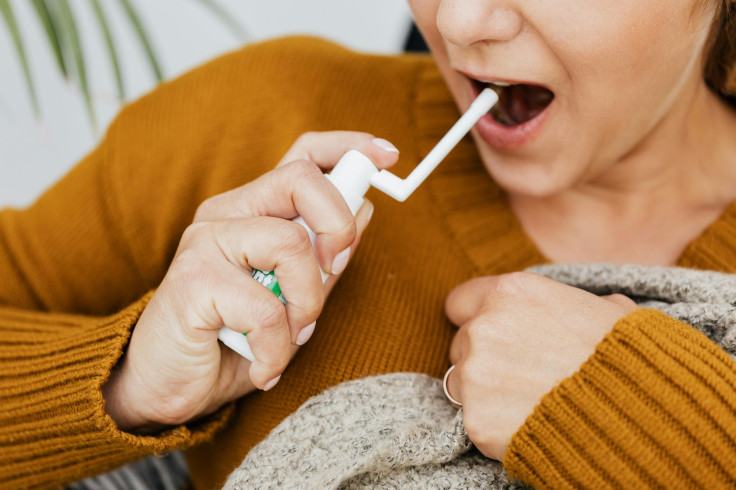
Dry mouth causes extend far beyond temporary thirst, especially when symptoms persist throughout the day. Many adults experience xerostomia due to salivary gland dysfunction, while dehydration symptoms such as sticky tongue, cracked lips, and thickened saliva frequently affect older adults—especially those over 65, where prevalence reaches nearly 30%. These effects reduce oral comfort, worsen speech, and contribute to dental problems. Without enough saliva, the mouth becomes more vulnerable to infections and enamel erosion.
Chronic xerostomia often indicates deeper systemic issues that need medical evaluation. Medication side effects, autoimmune diseases, and uncontrolled diabetes are among the most common culprits. Because reduced saliva increases the risk of cavities up to fourfold and encourages fungal infections like oral thrush, addressing the underlying condition promptly is essential. Persistent dryness is rarely random and often reflects important changes in overall health.
Medication & Disease-Related Dry Mouth Causes in Xerostomia
One of the most common dry mouth causes is medication use, responsible for up to 80% of xerostomia cases. Antihistamines, antidepressants, anticholinergics, and diuretics reduce salivary gland output by interfering with neurotransmitters required for saliva secretion. According to the National Institute of Dental and Craniofacial Research, hundreds of prescription and over-the-counter medications list dry mouth as a major side effect, especially in older adults taking multiple drugs.
Autoimmune disease also contributes significantly to xerostomia. Sjögren's syndrome is one of the most recognized autoimmune dry mouth causes, attacking salivary and tear glands through chronic inflammation. Symptoms include persistent dry mouth and dry eyes lasting longer than three months. Based on a study conducted by the Mayo Clinic, Sjögren's is commonly associated with rheumatoid arthritis or lupus and often requires blood tests or salivary gland biopsy for confirmation.
Diabetes further intensifies xerostomia by increasing blood glucose levels, which pull fluid from tissues and interfere with saliva production. Dehydration symptoms such as polydipsia, dry lips, and frequent urination often appear alongside chronic dry mouth. Unmanaged diabetes affects fluid balance and nerve function, both of which play critical roles in maintaining salivary flow.
Treatment-Related & Infection-Linked Dry Mouth Causes With Severe Dehydration Symptoms
Cancer treatment is a major factor in long-term xerostomia. Radiation therapy and chemotherapy can damage salivary glands, especially the parotid glands located near the cheeks. Studies show that up to 40% of head and neck cancer survivors experience permanent xerostomia after radiation. According to the National Cancer Institute, radiation reduces the ability of glands to regenerate, causing lifelong dry mouth and swallowing difficulties.
Chronic dehydration symptoms also play a major role in worsening dry mouth causes. Diuretics, excessive caffeine intake, vomiting, and mouth breathing can thicken saliva and intensify symptoms like halitosis, dysphagia, and sore throat. When the body loses fluids faster than it can replace them, saliva production drops sharply, leaving the mouth vulnerable to bacterial growth.
Infection-related gland impairment adds another layer of complexity. Conditions such as HIV/AIDS and hepatitis C can cause lymphocytic infiltration of the salivary glands, reducing unstimulated saliva flow to less than 0.1 mL/min—an objective diagnostic threshold for xerostomia. Based on a study conducted by the National Institutes of Health (NIH), patients with these infections often require salivary gland biopsy to confirm glandular involvement and guide treatment.
Neurological & Stress-Related Xerostomia: Hidden Dry Mouth Causes Affecting Autonomic Control
Neurological disorders represent another overlooked category of dry mouth causes. In Parkinson's disease, dysregulation of autonomic nerves disrupts the signals responsible for releasing saliva. Reduced movement of the tongue and jaw also contributes to sensations of dryness. According to the Parkinson's Foundation, patients frequently report xerostomia even when well-hydrated, emphasizing the neurological basis behind the condition.
Chronic stress and anxiety can also suppress saliva through continuous activation of the sympathetic nervous system. When stress hormones rise, digestive processes—including salivation—slow down significantly. Many individuals experiencing prolonged anxiety unknowingly develop dehydration symptoms such as thick saliva, bitter taste, or difficulty swallowing.
Alzheimer's disease introduces another dimension to xerostomia. As cognitive decline progresses, salivary flow may drop by up to 50%, affecting eating, speaking, and overall oral hygiene. Reduced self-care and medication interactions often worsen symptoms. This connection shows how neurological conditions affect autonomic control, reinforcing the need for comprehensive assessment when identifying dry mouth causes.
Conclusion
Chronic dry mouth is more than an uncomfortable nuisance—it is often a visible sign of deeper health issues. Many dry mouth causes originate from medication use, autoimmune disease, diabetes, neurological disorders, or dehydration symptoms that reduce salivary gland function. Because saliva is essential for digestion, speech, taste, and dental protection, loss of salivary flow can lead to rapid complications, including cavities, oral infections, and difficulty eating.
Evaluating xerostomia requires a full clinical approach. Physicians may perform salivary flow testing, review medications, check for autoimmune markers, or recommend imaging or biopsy when necessary. Identifying the root cause allows targeted therapy, from medication adjustment to hydration strategies or gland-specific treatment. With proper evaluation, most cases of chronic dry mouth can be managed effectively, preventing long-term oral and systemic complications.
Frequently Asked Questions
1. What medications most cause xerostomia?
Anticholinergics and antidepressants are among the most common, with over 1,100 drugs linked to dry mouth.
2. Does dry mouth always mean Sjögren's?
No. Medications cause nearly 80% of cases, while autoimmune disease accounts for only around 10%.
3. How is salivary flow rate measured?
Unstimulated flow below 0.1 mL/min is diagnostic of xerostomia.
4. Can diabetes cause chronic dry mouth?
Yes. Hyperglycemia impairs salivary gland function and contributes to dehydration symptoms.
Published by Medicaldaily.com


