


The Growing Link Between Mosquitoes, Ticks, Climate, and Vector Borne Diseases
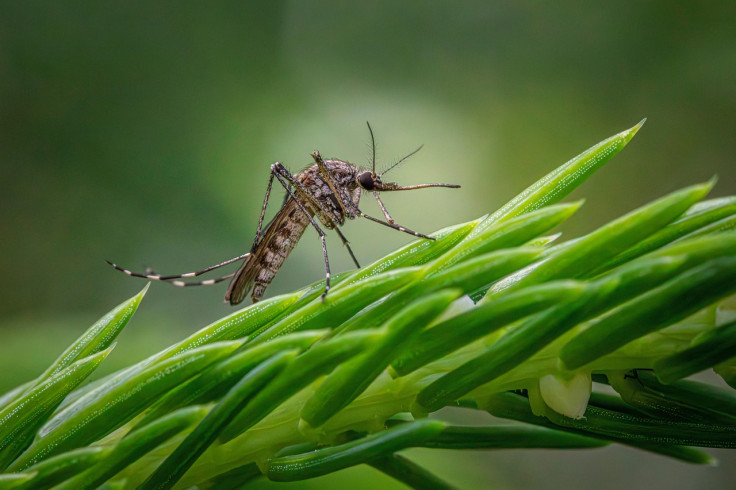
Mosquitoes, ticks, climate shifts, and vector-borne diseases are increasingly linked as global temperatures rise. Scientists are documenting how warming conditions are changing where these vectors live, how long they stay active, and how efficiently they spread disease. As climate change health risks grow, these shifts are reshaping patterns of infectious disease worldwide.
What Are Vector-Borne Diseases?
Vector-borne diseases are infections transmitted by organisms such as mosquitoes and ticks. These vectors carry pathogens including viruses, bacteria, and parasites between hosts. Mosquitoes spread diseases like malaria, dengue, Zika, and West Nile virus, while ticks transmit Lyme disease, babesiosis, and Rocky Mountain spotted fever.
These diseases account for a significant share of global infectious illnesses and are highly sensitive to environmental conditions. Changes in climate directly influence how and where they spread.
How Climate Change Affects Mosquitoes and Ticks
Climate plays a critical role in the survival and reproduction of mosquitoes and ticks. Rising temperatures speed up their life cycles, allowing them to reproduce faster and feed more frequently. Warmer conditions also shorten the time it takes for pathogens to develop inside these vectors, increasing transmission rates.
Rainfall and humidity further shape their habitats. Standing water from increased rainfall creates breeding grounds for mosquitoes, while higher humidity supports tick survival. In many regions, these factors are extending the active seasons of both vectors, sometimes making them active year-round.
Shifting Geographic Distribution of Mosquitoes and Ticks
Climate change is driving mosquitoes and ticks into new areas, including higher latitudes and elevations. Regions that were once too cold are becoming suitable habitats.
Tick populations carrying Lyme disease are expanding in North America and Europe, while mosquito species capable of spreading dengue and chikungunya are appearing in previously unaffected areas. Urban environments are also experiencing increased vector activity due to rising temperatures and environmental changes.
These shifts expose new populations to vector-borne diseases, often in places with limited awareness or preparedness.
Why Mosquitoes and Ticks Thrive in a Warming Climate
Warming climates create favorable conditions for vector survival. Higher temperatures increase feeding frequency and reproduction rates, while milder winters allow more mosquitoes and ticks to survive between seasons.
Changes in ecosystems also play a role. Expanding populations of host animals such as deer and rodents provide more opportunities for ticks to feed and spread. At the same time, human activity and urban expansion increase contact between people and disease-carrying vectors.
Public Health Impacts of Climate-Driven Changes
The spread of mosquitoes and ticks is contributing to a rise in vector-borne diseases globally. Health systems are facing growing challenges, particularly in regions where these diseases were previously rare, according to the World Health Organization.
Newly affected areas may lack diagnostic tools, treatment experience, and prevention strategies. Vulnerable populations, including those with limited access to healthcare, are at greater risk of severe outcomes.
These trends highlight the growing connection between climate change health risks and infectious disease patterns.
How Does Climate Change Affect Mosquito Populations?
Climate change boosts mosquito populations by accelerating breeding cycles and extending active seasons. In warmer regions, mosquitoes can reproduce more quickly and remain active longer each year.
This increases the window for disease transmission and raises the likelihood of outbreaks, especially in densely populated areas.
Why Are Ticks Becoming More Common?
Ticks are becoming more widespread due to milder winters and favorable environmental conditions. Warmer temperatures improve survival rates, while increased vegetation provides ideal habitats.
The movement of host animals also contributes to their spread, allowing ticks to expand into new regions and maintain stable populations.
What Diseases Are Spread by Mosquitoes and Ticks?
Mosquitoes transmit diseases such as malaria, dengue, Zika, chikungunya, and West Nile virus. These illnesses vary in severity but can cause significant health burdens worldwide, as per Harvard Health.
Ticks spread Lyme disease, the most common tick-borne illness in many temperate regions, along with other infections like babesiosis and Rocky Mountain spotted fever.
Can Climate Change Increase the Spread of Diseases?
Climate change increases the spread of vector-borne diseases by expanding vector habitats and accelerating transmission cycles. As mosquitoes and ticks move into new regions, they introduce pathogens to populations with limited immunity.
Global travel and environmental changes further contribute to the rapid spread of these diseases.
Where Are Vector-Borne Diseases Increasing?
Rising cases of vector-borne diseases are being reported in North America, Europe, Southeast Asia, and Latin America. Even higher-altitude regions are now seeing infections as warming temperatures create suitable conditions for vectors.
This expansion reflects the growing influence of climate on global disease patterns.
How Can People Protect Themselves from Mosquito and Tick Bites?
Reducing exposure remains key to preventing vector-borne diseases. Effective measures include using insect repellents, wearing protective clothing, and eliminating standing water around homes.
For ticks, checking the skin after outdoor activities and managing vegetation can reduce risk. Public awareness is essential for promoting these preventive behaviors.
Mosquitoes, Ticks, Climate, and the Growing Threat of Vector-Borne Diseases
Mosquitoes, ticks, climate factors, and vector-borne diseases are now closely connected in shaping global health outcomes.
As these vectors expand into new regions and remain active longer, the risk of disease transmission continues to rise. Addressing climate change health impacts and strengthening prevention strategies will be critical in managing the spread of vector-borne diseases in the years ahead.
Frequently Asked Questions
1. How do urban environments influence mosquito and tick populations?
Urban heat and poor drainage can create ideal breeding conditions for mosquitoes, while fragmented green spaces can support tick hosts like rodents.
2. Are vector-borne diseases seasonal or year-round?
They are typically seasonal, but warming climate conditions are making some diseases occur year-round in certain regions.
3. Can pets contribute to the spread of ticks into homes?
Yes, pets can carry ticks indoors after outdoor exposure, increasing the risk of human contact.
4. Do all mosquitoes and ticks carry diseases?
No, only specific species carry pathogens, but it is difficult to distinguish them without expertise, so precautions are recommended.
Published by Medicaldaily.com


