


Hereditary Hemochromatosis and HFE Gene Mutation Causing Silent Iron Overload and Liver and Heart Damage
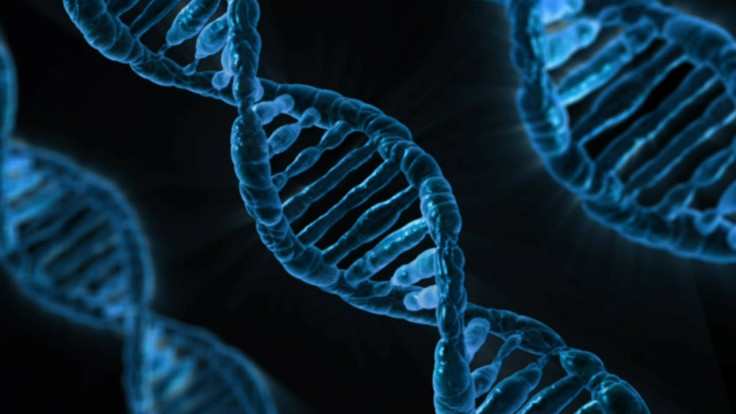
Hereditary hemochromatosis is a genetic disorder that causes the body to absorb too much iron, leading to a condition often described as silent iron overload. Because symptoms develop slowly, many individuals are unaware they have excess iron until serious complications like liver and heart damage begin to appear.
This condition is most commonly linked to an HFE gene mutation, which disrupts the body's ability to regulate iron absorption. Without proper management, hereditary hemochromatosis can quietly damage vital organs over time, making early detection and lifelong blood‑removal treatment essential.
What Is Hereditary Hemochromatosis?
Hereditary hemochromatosis is an inherited disorder in which the body absorbs more iron than it needs from food. Unlike normal iron metabolism, where excess iron is naturally regulated and excreted, this condition causes iron to accumulate in tissues and organs.
The primary cause is a mutation in the HFE gene, which plays a key role in controlling iron absorption. When this gene is altered, the body mistakenly signals that it needs more iron, even when levels are already sufficient or excessive. Over time, this leads to toxic iron buildup in organs such as the liver, heart, and pancreas.
Causes and Risk Factors of HFE Gene Mutation
The most common cause of hereditary hemochromatosis is a mutation in the HFE gene, particularly the C282Y and H63D variants. The condition follows an autosomal recessive inheritance pattern, meaning a person must inherit two defective copies of the gene to develop the disorder.
Several factors influence risk:
- Family history of hereditary hemochromatosis
- Northern European ancestry, where the mutation is more prevalent
- Male gender, as women naturally lose iron through menstruation
- Increasing age, since iron accumulation happens gradually
Lifestyle factors such as high dietary iron intake or excessive alcohol consumption may accelerate iron buildup and worsen complications.
Symptoms of Silent Iron Overload
One of the defining features of hereditary hemochromatosis is that it often begins as silent iron overload. In its early stages, there may be no noticeable symptoms, which makes routine screening especially important for at-risk individuals.
As iron levels rise, symptoms may gradually develop, including:
- Persistent fatigue and weakness
- Joint pain, particularly in the hands and knees
- Abdominal discomfort
- Loss of libido or hormonal changes
- Skin darkening or a bronze tint
Because these symptoms are nonspecific, they are often mistaken for other conditions, allowing iron overload to progress undetected.
How Hereditary Hemochromatosis Causes Liver and Heart Damage
As excess iron accumulates, it begins to deposit in major organs, leading to progressive damage. The liver is typically the first organ affected, as it plays a central role in iron storage, according to the World Health Organization.
Liver complications include inflammation, fibrosis, cirrhosis, and an increased risk of liver cancer. Over time, untreated hereditary hemochromatosis can severely impair liver function.
The heart is another critical organ impacted by iron overload. Iron deposits in heart tissue can disrupt electrical signaling and muscle function, potentially causing arrhythmias or heart failure. These forms of liver and heart damage are among the most serious consequences of untreated disease.
Other affected organs include the pancreas, leading to diabetes, and endocrine glands, resulting in hormonal imbalances.
What Are the Early Warning Signs of Hemochromatosis?
Early signs often include fatigue, joint pain, and mild abdominal discomfort. However, many individuals remain symptom-free in the initial stages.
How Do Doctors Test for Iron Overload?
Doctors typically begin with blood tests that measure serum ferritin and transferrin saturation. Elevated levels suggest excess iron in the body.
Can a Blood Test Detect Hereditary Hemochromatosis?
Yes, blood tests can indicate iron overload, and genetic testing can confirm the presence of an HFE gene mutation.
At What Age Is Hemochromatosis Usually Diagnosed?
It is often diagnosed in adulthood, typically between ages 30 and 60, when iron accumulation reaches levels that cause symptoms or organ damage.
Diagnosis may also involve imaging studies or, in some cases, a liver biopsy to assess the extent of iron deposition and organ injury.
Lifelong Blood-Removal Treatment for Iron Overload
The standard treatment for hereditary hemochromatosis is phlebotomy, commonly referred to as lifelong blood‑removal treatment. This process involves regularly removing blood from the body to reduce iron levels, as per Harvard Health.
Each session removes a portion of iron-rich blood, prompting the body to use stored iron to produce new red blood cells. Over time, this reduces total iron stores to safe levels.
Treatment typically occurs in two phases:
- Initial phase: frequent sessions (weekly or biweekly) to lower iron levels
- Maintenance phase: less frequent sessions to keep iron within a normal range
When started early, lifelong blood‑removal treatment can prevent or even reverse some complications, significantly improving long-term outcomes.
Is Hereditary Hemochromatosis Curable?
There is no cure for hereditary hemochromatosis, but it is highly manageable with early and consistent treatment.
Can You Live a Normal Life With Hemochromatosis?
Yes, individuals who receive timely diagnosis and proper treatment can live normal, healthy lives without significant complications.
How Do You Prevent Iron Overload From Getting Worse?
Regular monitoring, adherence to treatment, and lifestyle adjustments can effectively control iron levels and prevent disease progression.
Preventive strategies also include screening family members, especially first-degree relatives, who may carry the same HFE gene mutation.
Diet and Lifestyle Tips for Managing Iron Levels
Although treatment primarily relies on phlebotomy, certain dietary and lifestyle choices can support better management of iron levels.
Key recommendations include:
- Limiting intake of red meat and iron-rich foods
- Avoiding vitamin C supplements that increase iron absorption
- Reducing or eliminating alcohol to protect the liver
- Avoiding raw shellfish due to infection risk in iron overload conditions
A balanced diet remains important, but individuals with hereditary hemochromatosis should be mindful of factors that influence iron absorption.
What Happens if Hemochromatosis Is Left Untreated?
Untreated hereditary hemochromatosis can lead to progressive organ damage, including cirrhosis, heart disease, and diabetes.
Can Hemochromatosis Be Fatal?
Yes, severe cases can be life-threatening, particularly when liver or heart damage becomes advanced.
Does Iron Overload Always Cause Organ Damage?
Not always, especially if detected early. However, prolonged silent iron overload significantly increases the risk of irreversible complications.
The longer excess iron remains in the body, the greater the likelihood of permanent damage, underscoring the importance of early diagnosis and treatment.
When to See a Doctor
Medical evaluation is recommended for individuals experiencing persistent fatigue, joint pain, or unexplained symptoms, especially if there is a family history of hereditary hemochromatosis.
Screening is particularly important for those with known genetic risk, as early detection can prevent serious complications. Routine blood tests can identify iron abnormalities before symptoms appear.
Hereditary Hemochromatosis: Why Early Detection Matters
Hereditary hemochromatosis remains one of the most underdiagnosed genetic conditions despite its potential to cause serious liver and heart damage. Its nature as a silent iron overload disorder makes awareness and screening critical, particularly for individuals with an HFE gene mutation or family history of the disease.
With timely diagnosis and consistent lifelong blood‑removal treatment, most complications can be prevented, allowing individuals to maintain normal health and avoid irreversible organ damage.
Frequently Asked Questions
1. Is hereditary hemochromatosis common?
It is one of the most common inherited disorders among people of Northern European descent, but many cases remain undiagnosed.
2. Can women develop hereditary hemochromatosis?
Yes, but symptoms often appear later in life due to iron loss during menstruation and pregnancy.
3. Does donating blood help with iron overload?
Yes, regular blood donation is similar to therapeutic phlebotomy and can help lower iron levels in some cases.
4. Are there medications to treat iron overload?
Medications called iron chelators exist but are usually reserved for patients who cannot undergo blood-removal treatment.
Published by Medicaldaily.com


