










The Incentive Problem in Healthcare and Jacob Fuchs's Journey to Fix It
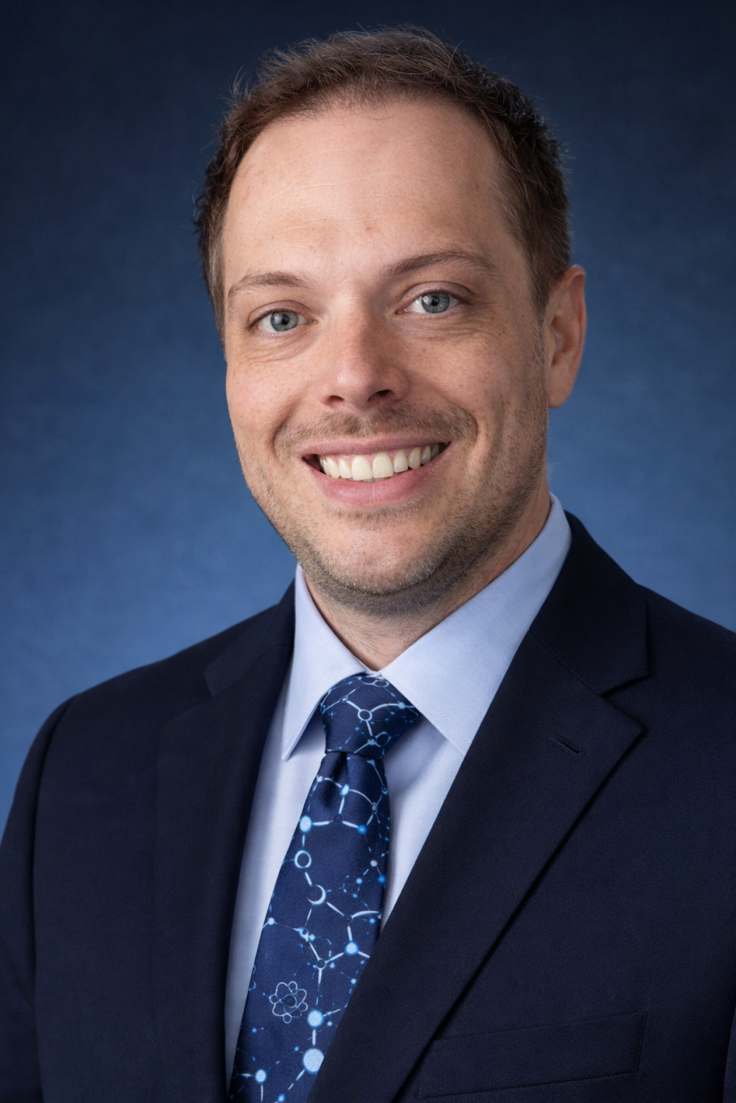
As a pharmacist by training and a builder by instinct, Jacob Fuchs, founder of Premier Pharma, approaches healthcare with a systems-level mindset shaped by years of hands-on experience. He has dedicated his work to creating infrastructure that promotes transparency, strengthens trust, and keeps patient care firmly rooted in the needs of the communities it serves.
That mission didn't arrive fully formed. It grew from a family history rooted in pharmacy, where service to local communities carried lasting significance. Fuchs says, "Early on, I noticed that neighborhood pharmacies worked as practical hubs of care, shaped not only by the medicines on the shelves but also by the relationships people built there." This exposure laid a foundation that later influenced his professional choices, particularly his interest in how supply chains, policies, and tools shape everyday healthcare decisions.
Fuchs's journey also carries a deeply personal dimension. Living with a chronic condition from adolescence onward gave him daily exposure to the realities of long-term care. Treatments, supplies, and insurance systems became part of ordinary life, offering a close-up view of how access and affordability affect outcomes. This fostered a lasting sensitivity to how healthcare structures impact individuals over time.
During pharmacy school, long conversations with peers further shaped his thinking. These discussions explored why scientific progress and real-world application sometimes drift apart, and why complexity tends to expand even when simplicity could serve patients well. Those reflections matured into a broader view of healthcare as a set of incentives that guide behavior. Fuchs refers to systems as neutral frameworks that reward certain actions. "Systems follow the paths they're designed to reward," Fuchs states. "Change the design, and behavior evolves with it."
He later realized that better tools are required to translate those reflections into practice. Working within fragmented tools and manual processes highlighted opportunities where technology could improve safety and coordination, causing him to create Ntuitiv. Coding became a means to address operational gaps rather than a separate career ambition. Over time, this blend of skills positioned him to understand the pharmaceutical supply chain end-to-end, from sourcing to patient delivery, with an eye toward how digital tools influence real-world outcomes.
That understanding informs his role as Director of Pharmacy at an integrated health system based in Idaho. Here, Fuchs focuses on integrating pharmacy services in ways that support consistent care, operational coherence, and responsible utilization of resources. His approach emphasizes collaboration and thoughtful process design, allowing teams across settings to work toward shared goals.
Premier Pharma represents another expression of these values. The company serves independent pharmacies with straightforward pricing and responsive support. Fuchs says, "If we can give partners tools and clearer insight, it may become a little easier for them to keep their attention on the people they serve." He views this work as part of a longer arc toward systems that reward clarity and outcomes.
Throughout his career, Fuchs has remained reflective about motivation and purpose. A quote he often returns to, attributed to George W. Merck, captures an ideal he finds instructive: "We try never to forget that medicine is for the people. It is not for the profits." He interprets this sentiment as an aspiration that invites continual effort, especially within environments shaped by competing priorities. His own work aims to create conditions where such aspirations feel practical and sustainable.
Today, Jacob Fuchs continues to build infrastructure with intention. His focus remains on generating durable value through thoughtful design, steady collaboration, and respect for the human realities behind every transaction. Through his blended background and measured perspective, Fuchs contributes to a vision of healthcare shaped by alignment, care, and long-term trust.
Published by Medicaldaily.com


