








Pacemaker vs ICD: How Pacing, Leads and Shocks Help Control Heart Rhythm
Pacemakers and implantable cardioverter defibrillators (ICDs) have transformed care for people living with arrhythmia, helping stabilize heart rhythm with controlled pacing or lifesaving shocks.
These devices are used for bradycardia, certain forms of tachycardia, and to lower the risk of sudden cardiac arrest, making it important for patients to understand how each device works and what implantation involves.
What Is a Pacemaker?
A pacemaker is a small, battery-powered generator that sends gentle electrical pacing signals when the heart beats too slowly or pauses unexpectedly. It is most often recommended for bradycardia and some types of heart block, when the natural electrical system does not maintain an adequate rate.
The device is placed under the skin near the collarbone and connected to the heart with thin wires called leads, which allow it to sense and correct the heartbeat. Most people do not feel the pacing, and the device activates only when needed to support a safe heart rhythm.
What Is an Implantable Cardioverter Defibrillator (ICD)?
An implantable cardioverter defibrillator is designed to monitor heart rhythm continuously and treat life-threatening arrhythmia, especially dangerous tachycardia or ventricular fibrillation.
Like a pacemaker, it includes a generator and leads, but it can deliver stronger electrical shocks when it detects rhythms that could cause cardiac arrest.
Many ICDs also offer pacing, both for slow rhythms and to interrupt certain fast rhythms without a full shock. In this way, an ICD combines monitoring, pacing, and the capacity to deliver shocks within one system.
Key Differences Between a Pacemaker and an ICD
A pacemaker focuses on bradycardia, using low-energy pacing to prevent the heart rhythm from falling too low. An ICD is aimed at high-risk tachycardia and ventricular arrhythmias, using rapid pacing and, when necessary, high-energy shocks to reset the heart.
Some devices combine pacemaker and defibrillator functions, but the primary difference remains the level of arrhythmia risk they are designed to address. The choice between pacemaker and ICD depends on the type of rhythm problem, prior events, and overall heart function.
Arrhythmia, Bradycardia and Tachycardia
Arrhythmia is any abnormal heart rhythm, including slow, fast, or irregular patterns. Bradycardia occurs when the heart rate is too slow to meet the body's needs, leading to symptoms such as fatigue, dizziness, or fainting.
Tachycardia refers to a rapid heart rhythm, which may cause palpitations, chest discomfort, or, in severe cases, collapse. In general, pacemakers are used for bradycardia and conduction problems, while ICDs target dangerous tachycardia and other high-risk arrhythmia that can trigger sudden cardiac arrest.
When a Pacemaker or ICD Is Recommended
A pacemaker is usually considered when tests such as electrocardiograms and Holter monitoring show persistent slow rhythms or pauses that cause symptoms. Conditions like sinus node dysfunction or heart block often lead to pacemaker implantation to maintain regular pacing, according to UCSF.
An ICD is recommended when there is a substantial risk of sudden death from ventricular tachycardia or fibrillation, either after a prior cardiac arrest or in patients with severely weakened heart muscle. In both cases, the goal is to stabilize heart rhythm and reduce the risk of dangerous events.
Device Components: Leads and Generator
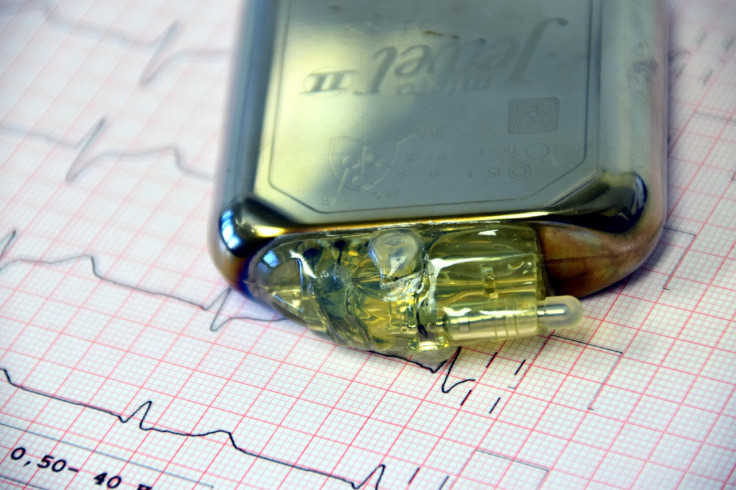
Both types of devices use a generator and leads to interact with the heart. The generator houses the battery and computer circuitry that monitor heart rhythm and control pacing or shocks.
Leads are thin, insulated wires that pass through a vein into the heart, where electrodes can sense electrical activity and deliver therapy. While some newer designs use leadless or subcutaneous approaches, most systems still rely on this combination of generator and leads to manage heart rhythm.
Pacing and Shocks
Pacemakers primarily use pacing: the generator senses each beat and sends low-energy impulses through the leads when the heart rhythm slows or pauses. These impulses trigger a heartbeat without causing noticeable discomfort for most people.
ICDs also monitor every beat, but when a dangerous tachycardia or chaotic rhythm appears, they may first try fast pacing to stop it and then deliver a high-energy shock if needed. These shocks can feel strong and sudden but are intended to restore a safe heart rhythm within seconds.
Before and During Implantation
Before implantation, the care team reviews tests, medications, and other medical conditions to confirm the best device choice and approach.
Patients usually receive instructions about fasting, adjusting blood thinners, and what to expect on the day of the procedure. Pacemaker and ICD implantation typically takes place in a cath lab or electrophysiology suite under local anesthesia with sedation.
The physician makes a small incision near the collarbone, threads the leads through a vein into the heart, connects them to the generator, and places the generator in a pocket under the skin. The device is then tested to confirm that it senses and treats arrhythmia appropriately, as per Mayo Clinic.
Recovery and Early Aftercare
After implantation, patients are monitored for several hours or overnight to ensure stable heart rhythm and proper device function. There may be soreness or bruising around the incision, and arm movement on the device side is often limited initially to protect the leads.
Instructions usually cover wound care, activity limits, and signs of complications such as infection, increasing pain, or shortness of breath. Many people return home within a day and gradually resume daily activities as guided by their cardiology team.
Pacemaker vs ICD: Moving Forward With Safer Heart Rhythm Care
For anyone living with significant arrhythmia, learning the role of a pacemaker versus an implantable defibrillator can make decisions about treatment more manageable.
A pacemaker offers reliable pacing support for bradycardia and conduction problems, while an ICD provides ongoing monitoring, rapid pacing, and powerful shocks when high-risk tachycardia or ventricular arrhythmias occur.
By discussing symptoms, test results, and lifestyle goals with a heart rhythm specialist, patients can work toward an implantation plan and long-term follow-up that match their specific needs. In many cases, choosing the right pacemaker or ICD allows people to live more confidently with a safer, more stable heart rhythm.
Frequently Asked Questions
1. Can someone feel their pacemaker or ICD working?
Most people do not feel normal pacing beats, but they may notice an occasional flutter or brief thump in the chest when the device adjusts their heart rhythm. ICD shocks, however, are usually felt as a sudden, strong jolt.
2. Will a pacemaker or ICD set off airport or security scanners?
These devices can sometimes trigger security alarms, but they do not usually malfunction because of them. Patients are generally advised to carry a device identification card and inform security staff before screening.
3. Can a person with a pacemaker or ICD use a smartphone and headphones?
Smartphones and standard headphones are usually safe if kept a few centimeters away from the device site and not stored directly over the generator. Strong magnets in some accessories should be kept at a distance as advised by the cardiologist.
4. Is it safe to have an MRI with a pacemaker or ICD?
Many newer pacemakers and ICDs are labeled "MRI-conditional," meaning scans may be possible under specific settings and supervision. Patients must always check with their heart specialist and imaging center before scheduling an MRI.
Published by Medicaldaily.com


