Explore ultradian rhythms and how they regulate hormones, sleep, and energy cycles, shaping focus, productivity, and overall health throughout the day.
Learn healthy lifestyle habits to support heart kidneys and liver function and improve organ health naturally for long term wellness and disease prevention overall better.
Explore how acupressure and massage work as evidence based complementary therapies in pain management, helping reduce pain, improve comfort, and support personalized treatment plans.
Learn why muscle soreness peaks after workouts, exploring DOMS, inflammation, delayed muscle soreness, and effective post‑workout recovery strategies to reduce pain and improve performance
Learn how doomscrolling affects your brain through cortisol and rumination, the negative news effects it causes, and practical tips on how to stop doomscrolling.
High functioning anxiety often hides behind perfectionism and masking. Learn key signs, causes, and how hidden distress impacts mental health and daily life.
Learn when to try TMS or ketamine for treatment resistant depression, how neuromodulation therapy works, and what to expect from these advanced depression treatments.
Brief, non-invasive magnetic brain stimulation over five days shows early promise for improving social communication and language skills in some young children with autism, early research suggests.
Learn what to expect with chemo port placement, catheter use, and chemo port aftercare in this clear day‑by‑day guide to make treatment safer and more manageable.
Explore how the placebo effect works through expectation, endorphins, and placebo effect neuroscience, revealing the powerful brain body connection and its impact on health.
AI therapy and AI mental health tools are transforming emotional support, but experts warn the ethics of AI in healthcare must keep pace with innovation, privacy, and patient safety.
Discover how a simple nasal spray using extracellular vesicles reduces brain inflammaging and restores memory in aging mice, opening possibilities for future human brain anti‑aging therapies.
Explore puberty, hormones, and adolescence, explaining hormonal changes and teen development, including physical growth, emotional shifts, and key milestones during this natural stage of life.
Explore how inflammation begins, the role of cytokines in immunity, and how a healthy inflammatory response leads to effective resolution of inflammation and tissue repair.
Learn how blood circulation enables oxygen delivery nutrient transport and hormone delivery to every cell supporting energy balance and overall body function and health optimal.
Discover how the small intestine uses folds, villi, and microvilli to expand intestinal surface area and significantly enhance nutrient absorption for optimal digestive health.
It’s reported that up to 70% of the population have sensitive skin. More alarming, allergies and skin sensitivities are known to affect millions of patients taking prescriptions every year.
Forget tablets, blood transfusions and syringes. Here's a list of some pretty unusual, but less sophisticated ways Olympic dopers use to boost their game.
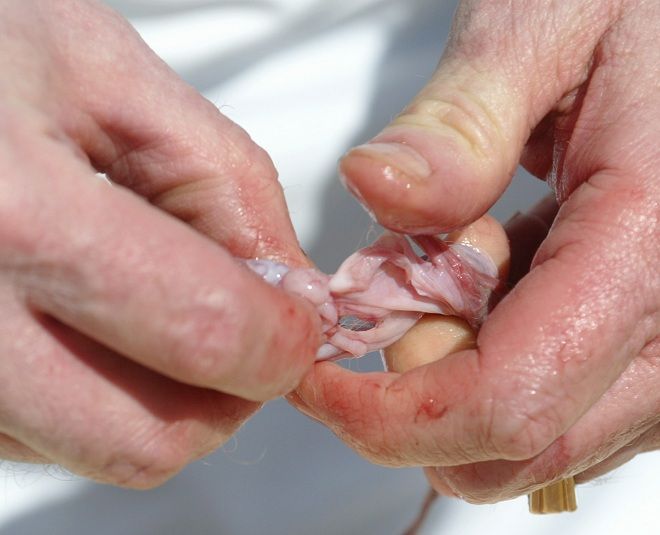
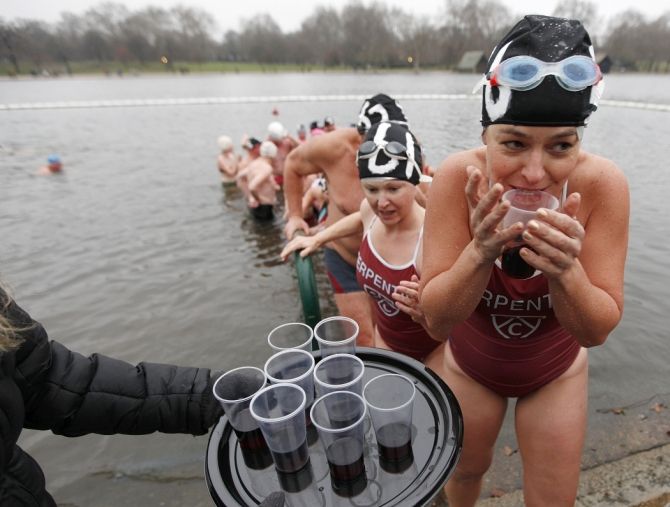
Dopers back in ancient Greece chewed on raw animal testicles. Like modern steroids, the earliest athletes chewed on raw testicles to get an extra testosterone boost to kick start their game. Testosterone is a steroid hormone and is used by dopers to enhance muscle development, strength, or endurance.REUTERS/Patrick PriceOlympian Thomas Hicks famously won the 1904 Olympic marathon with the help of brandy shots his coach gave to him in regular intervals during the race. Alcohol is a drug, but it can also be considered as a bodily nutrient because it provides the body nutrient.
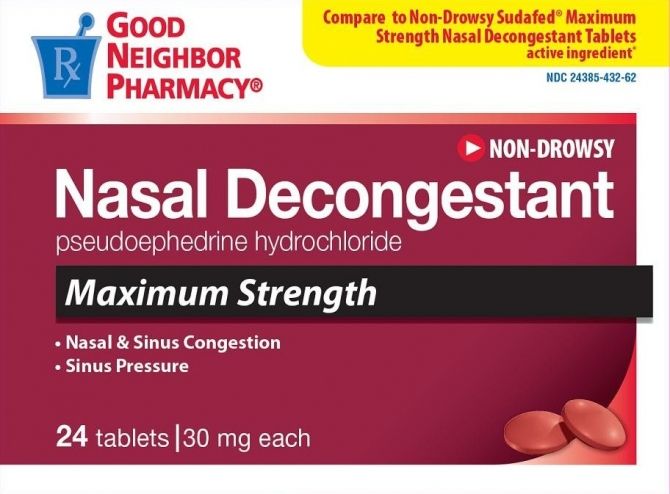
While many major studies have concluded that alcohol has no beneficial effects on muscle strength, short-term muscular endurance and speed, psychologically alcohol may benefit performance by increasing self-confidence, lowering sensitivity to pain, and reducing anxiety and hand tremors and is sometimes used in precision sports like pistol shooting.REUTERS/Andrew WinningNasal decongestants, an over-the-counter remedy for stuffy noses, often contain pseudoephedrine. While pseudoephedrine was recently removed from the International Olympic Committee’s list of banned substances and placed on the monitoring program because there was no conclusive scientific evidence to show that the drug enhanced athletic performance.
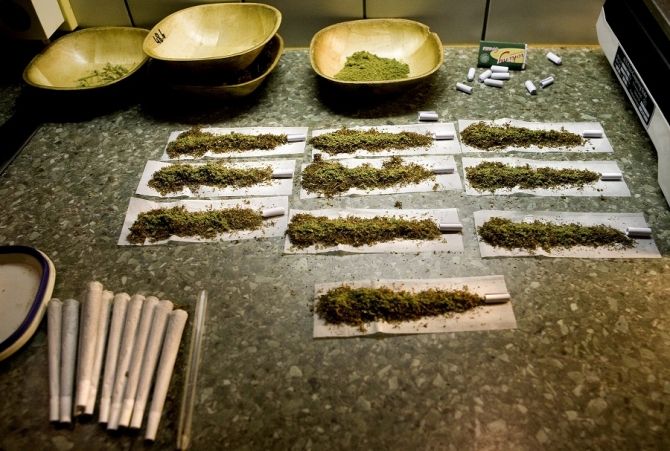
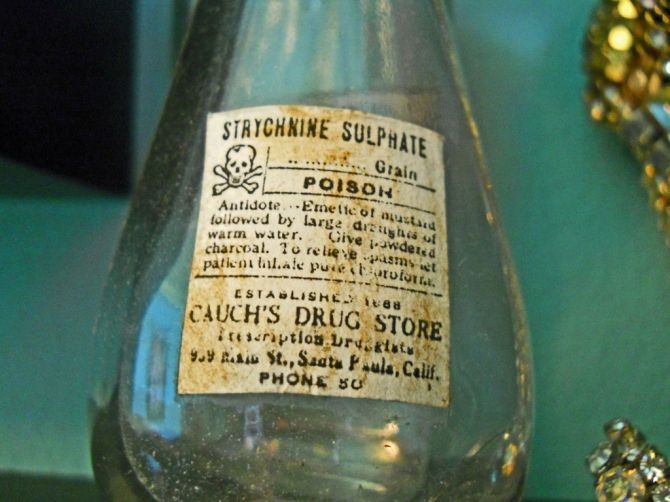
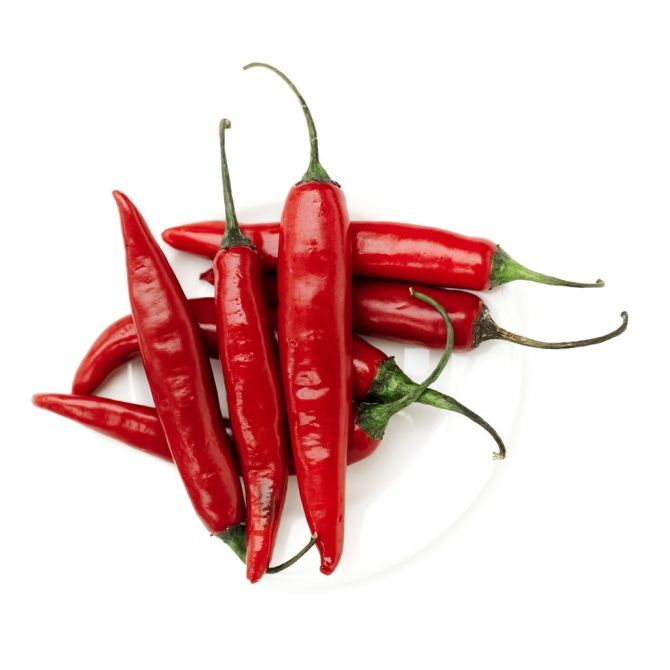
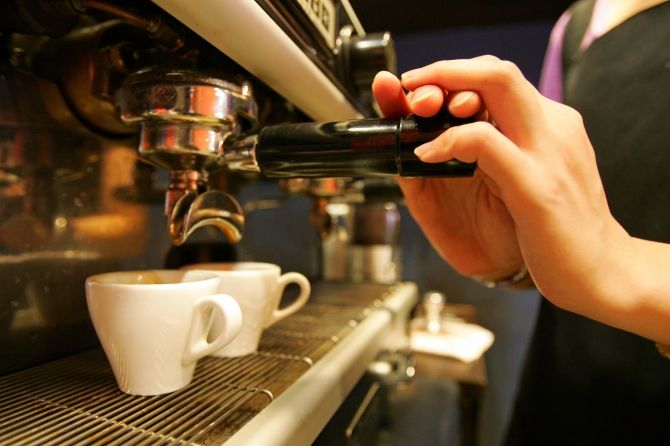
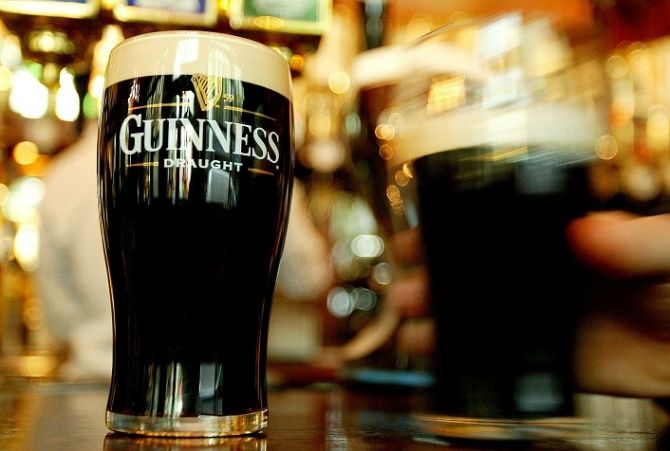
However, a previous study found that athletes given pseudoephedrine capsules 90 minutes before a trial run ran on average 5.8 seconds faster than runners taking the placebo.NIHWhile past studies have shown that the marijuana or hashish or any other cannabis product does not actually directly enhance sports performance, it can reduce anxiety. A study on Australian athletes has shown that almost 60 percent believed that marijuana improved athletic performance, and were unable to clearly explain how using the drug would negatively impact their athletic performance. The athletes in the study said that said that some of the enhancing effects of marijuana included enhanced relaxation and increased confidence.REUTERS/Jerry LampenPoison, strychnine in this case, has been used for doping purposes in the Olympics. Often fatal, very low dosages of strychnine could be used as a stimulant. In the 1904 St. Louis Games, Thomas Hicks was given strychnine in order to finish a marathon while in the 1992 Barcelona Olympics Wu Dan was banned from competition.Flickr/savagecatsDoping goes beyond just two legs in the Olympics. Capsaicin, the part of peppers which makes it hot, is banned from equestrian sports. In the 2008 Beijing Olympics, four athletes were banned after their horses were found to have elevated levels of capsaicin, which is a mild stimulant and has pain relieving properties. .Caffeine is a stimulant that was once banned from use in the Olympics. Today, the World Anti-Doping Agency no longer tests for caffeine. Elevated levels of caffeine cost Bakhaavaa Buidaa his silver medal in judo at the Munich Olympics while Australian fencer Alex Watson was banned from competition from the 1988 Seoul Olympics.REUTERS/Richard ChungA beer could cost you the gold for some Olympic competitions. While Olympians can indulge in their alcoholic beverage of choice outside of competition, a few sports ban alcohol use during competition. Alcohol acts as a depressant, helping to calm nerves. Hans-Gunnar Liljenwall was a pentathlete who was banned from the 1968 Mexico City Olympics for having two beers before the shooting portion of the competition.Peter MacDiarmid/Reuters